The Influencer Food Playbook
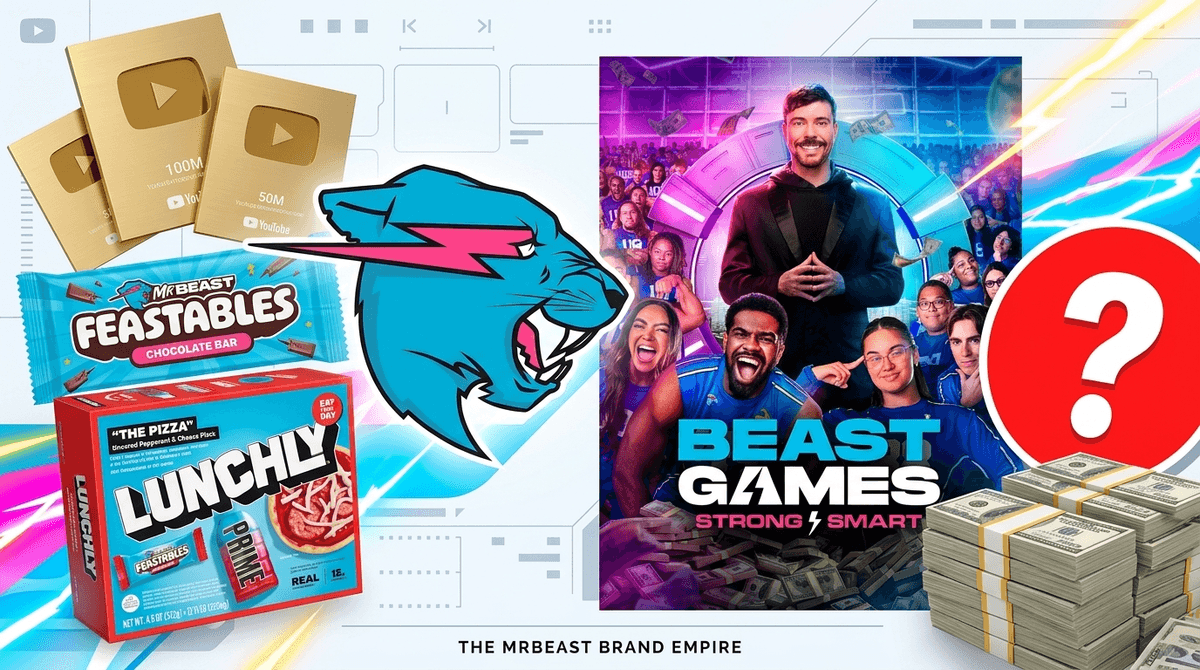
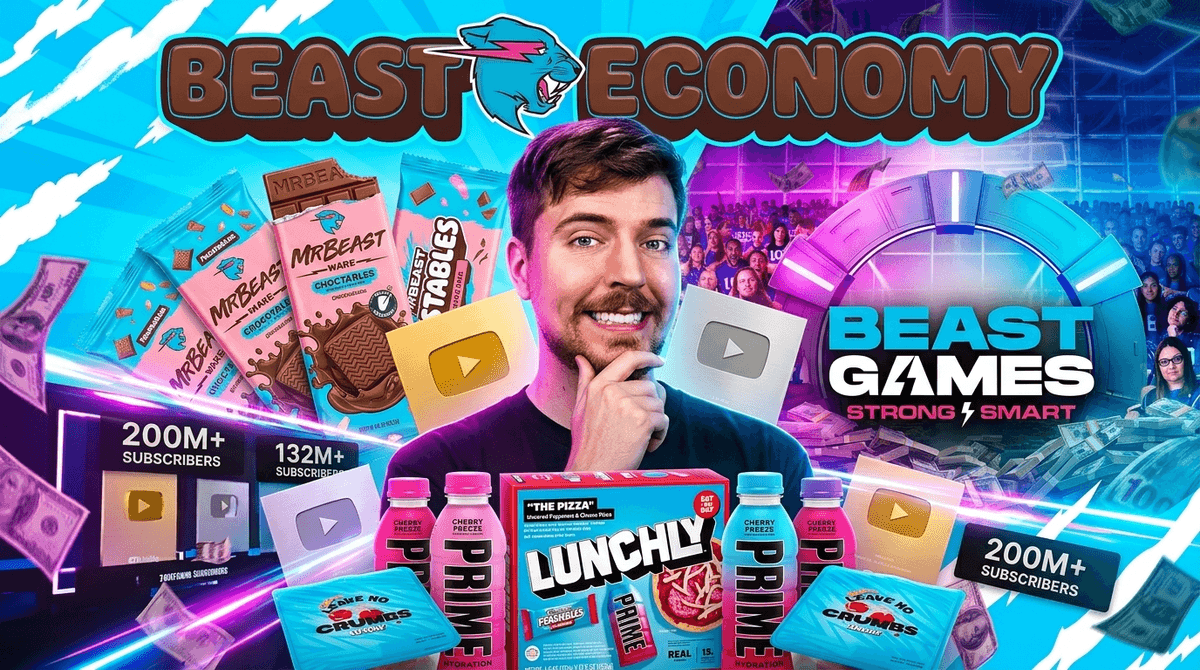
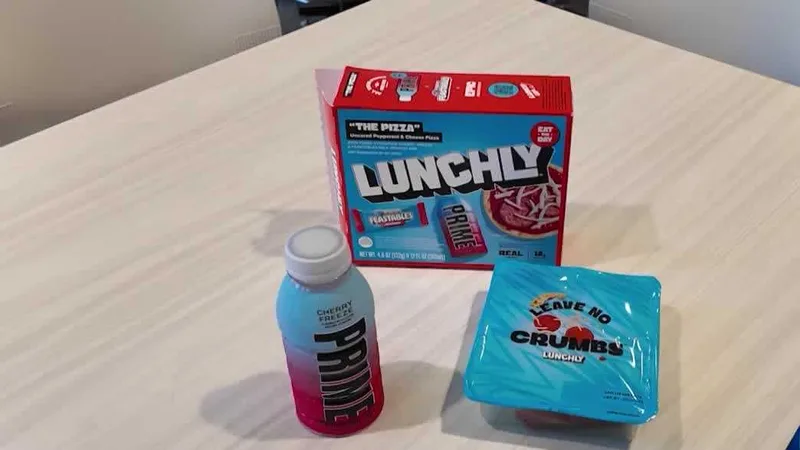
For decades, packaged food giants sold junk to kids by slapping cartoon characters on cereal boxes. Lunchly represents the logical evolution of that tactic for the streaming era. Instead of licensing SpongeBob, creators like MrBeast, KSI, and Logan Paul built their own supply chain to bypass traditional media entirely, pitching food directly to elementary and middle schoolers through their feeds.
To understand why a kid wants this product, you have to realize they aren't asking for turkey and crackers. They are buying an offline piece of the content ecosystem they watch every afternoon. Bringing a box of Lunchly to the school cafeteria table operates as social currency.
The Health Claims vs The Ingredients
The marketing campaign framed Lunchly as a healthier, modern disruptor to Lunchables, touting real cheese and fewer calories. When independent labs looked closer, that pitch collapsed.
Consumer Reports tested the kits and found high sodium counts alongside detectable levels of lead and phthalates, mirroring the exact issues found in the legacy brands they claimed to beat. Bundling a full-size chocolate bar and a bottle of Prime into an everyday lunch creates an ultra-processed carb and sugar bomb.
Using It as an Ad Literacy Lesson
If you end up with a box on your kitchen counter, treat it as a tangible lesson in marketing literacy. Compare the promotional videos your kid watched with the actual tray of cold cheese rounds in front of them:
- Read the nutrition label together against a simple homemade sandwich.
- Talk about why creators build physical product lines to monetize attention.
- Inspect the packaging seals carefully before letting them eat, given the widespread reports of compromised freshness.