

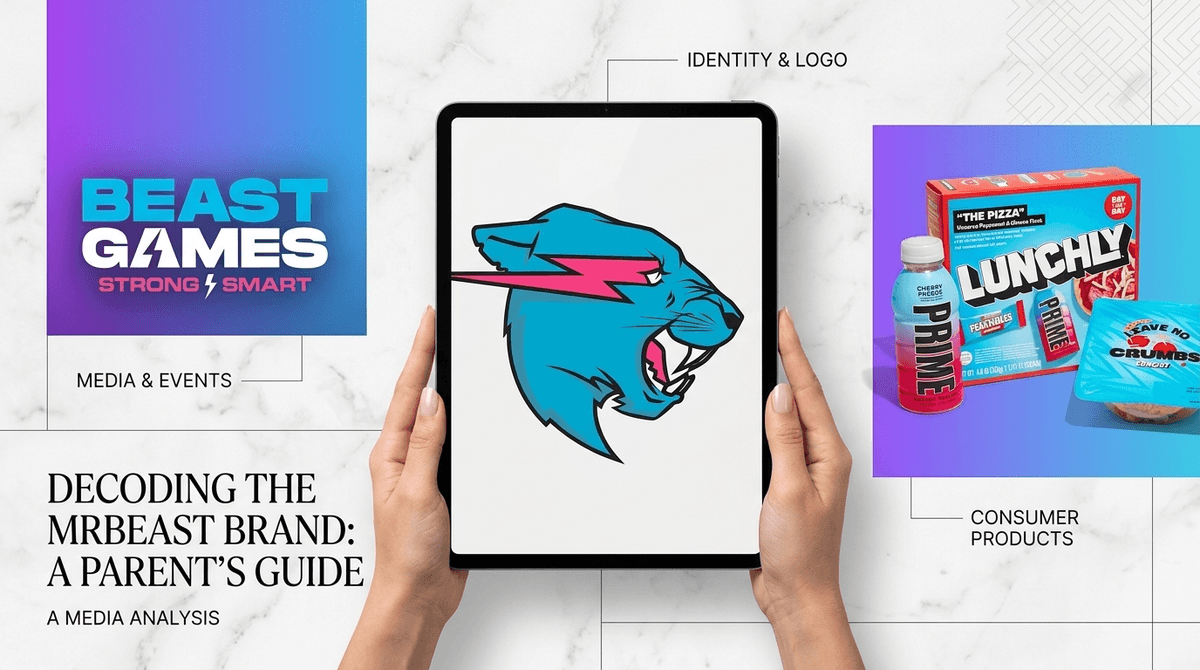
TL;DR: Jimmy Donaldson, better known as MrBeast, is the most influential creator on the planet. For kids, he’s a mix of Willy Wonka and a lottery ticket. For parents, he’s a complicated figure: part generous philanthropist, part hyper-capitalist spectacle. In 2026, the "MrBeast brand" is weathering its biggest storm yet, from safety concerns on his new Beast Games set to the nutritional value of Lunchly.
If your kid is watching, they’re likely also seeing Logan Paul and KSI. It’s a lot to navigate.
Quick Links:
If you haven't seen a video, imagine a high-budget game show where the stakes are life-changing. MrBeast built his empire on "stunt philanthropy"—giving away millions of dollars, private islands, or thousands of surgeries to people in need, all captured with breakneck editing designed to keep a child’s dopamine levels pegged to the max.
He’s moved beyond YouTube into a physical empire. You’ll see Feastables chocolate bars at the checkout line and Lunchly (his collaborative pre-packaged meal with Prime creators) in the grocery aisles. He isn't just a creator; he’s the CEO of your child’s attention.
It’s the ultimate "what if?" scenario. Every video feels like a lottery that the viewer is invited to join. The editing style—loud, fast, and constantly moving—is perfectly calibrated for the TikTok and YouTube Shorts generation.
Beyond the spectacle, there’s an aspirational element. To a 10-year-old, Jimmy Donaldson seems like a guy who just decided to be nice and got rich doing it. It’s a powerful, if slightly skewed, version of the American Dream played out in 4K.
The "Beast" brand has taken some hits recently. As parents, you should be aware of three main pillars of the current drama:
MrBeast’s transition to traditional TV via Amazon Prime Video was met with lawsuits and allegations of unsafe set conditions. Reports surfaced of contestants lacking adequate food, medical care, and even clean clothes. For kids who view Jimmy as a hero, this is a "don't meet your heroes" moment. It’s a great entry point to talk about how reality TV is manufactured and that "giving away money" is still a business.
The Lunchly Debate
When MrBeast teamed up with Logan Paul and KSI to launch Lunchly, the internet exploded. Critics (including other YouTubers like DanTDM) called it "crap for kids," arguing that creators are using their influence to sell ultra-processed food to vulnerable fans.
Workplace Culture and Past Behavior
Serious allegations have surfaced regarding the culture within MrBeast’s company and the past behavior of some of his long-time collaborators. This includes concerns about how the team handled internal safety and the hiring of individuals with questionable backgrounds.
MrBeast’s content is generally "clean" in terms of language and sexual content, but the psychological intensity varies.
- Ages 5-8: They might see the bright colors and the "challenges," but the fast-paced editing can be overstimulating. If they're watching, it's better to stick to the older, simpler challenges rather than the high-stress "last to leave the circle" videos.
- Ages 9-12: This is the sweet spot. They understand the money is real and the stakes are high. This is the age where they start asking for Feastables and wanting to be a YouTuber.
- Ages 13+: Teens are more likely to see the "meta" drama. They’ll be aware of the controversies on X (Twitter) or Reddit. This is the time for deeper conversations about influencer ethics.
The biggest safety risk with the MrBeast brand isn't actually Jimmy—it's the scammers pretending to be him. Because his whole brand is built on giving away money, scammers use AI-generated videos of him on YouTube and Instagram to trick kids into clicking links or asking parents for credit card info to "claim a prize."
Rule of thumb for your kids: MrBeast will never ask you for money to give you a prize.
There’s a concept called "effective altruism," and then there’s "MrBeast philanthropy." Jimmy does objectively good things—building wells, funding surgeries, donating to food banks. However, he does them because they make good content that generates more money.
This isn't necessarily "bad," but it does teach kids that kindness only "counts" if it’s recorded and monetized. It’s worth asking your kids: "If Jimmy didn't have a camera, would he still build the well?" and "How can we do kind things in our community without anyone knowing?"
If your dinner table conversation is dominated by "Did you see what MrBeast did today?", use these prompts to move past the "brain rot" and into critical thinking:
- On Money: "Where do you think the $1,000,000 he gave away comes from?" (Helps them understand the ad-revenue and sponsorship model).
- On Ethics: "If a contestant gets hurt during a video but wins $50,000, was it worth it?"
- On Influence: "Why do you think he chose to work with Logan Paul on Lunchly?"
- On Content: "How do you feel after watching three MrBeast videos in a row? Do you feel energized or kind of 'zombie-ish'?"
MrBeast is not "bad" content in the way that some toxic corners of the internet are. He isn't teaching your kids to be bigots or bullies. However, he is the king of the Attention Economy.
His videos are designed to be addictive. The controversies in 2026 remind us that behind the "nice guy" persona is a massive corporate machine that sometimes prioritizes growth over people.
Next Steps:
- Watch a full video with your kid. Don't scroll on your phone—actually watch the pacing.
- Check the YouTube Parental Controls to ensure they aren't falling down a rabbit hole of "MrBeast clones" who are much less scrupulous.
- If they love the "building" aspect, steer them toward Minecraft or Roblox where they can create their own challenges instead of just watching someone else’s.
- Find YouTube creators like MrBeast who are calmer
