Hearthstone is a bit of a double-edged sword. On one hand, it’s one of the most polished, intellectually stimulating strategy games out there. It forces you to think, plan, and calculate in ways that most 'brain games' only dream of.
On the other hand, it’s a masterclass in manipulative design. Between the daily quests that demand you log in and the flashy animations when you buy card packs, it’s built to live in your head (and your wallet).
If you have a kid who can handle losing and you’re disciplined about spending, it's a great pick. Just don't be surprised when they start talking about 'Mana Curves' and 'RNG' like they're professional day traders.
Age Fit
Best for ages 9 and up. While a 7-year-old can grasp the basics, the strategic depth and the frustration of the 'meta' are better handled by older kids who can process the 'pay-to-win' aspects without a meltdown.
WISE Breakdown
Wholesome
74
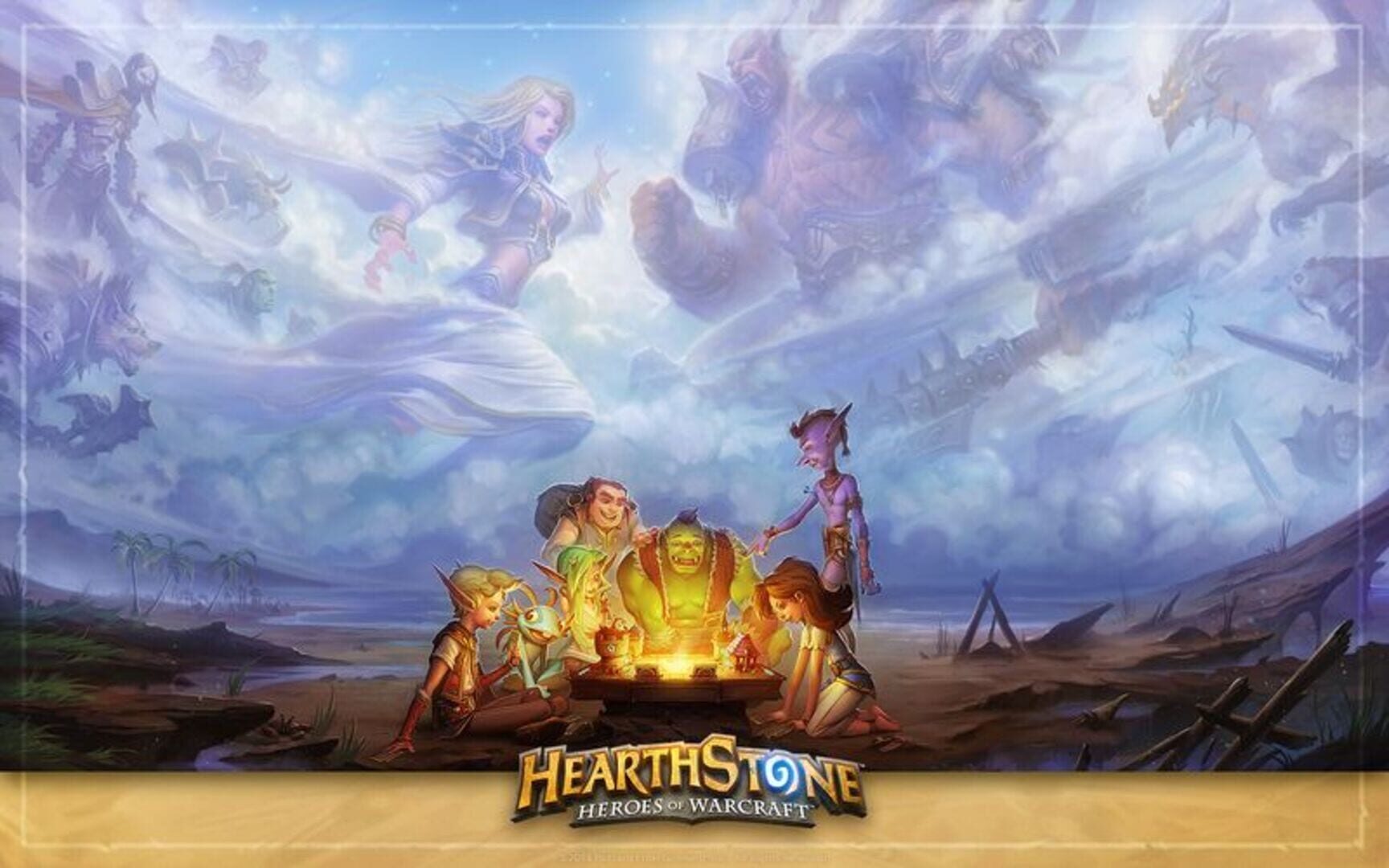
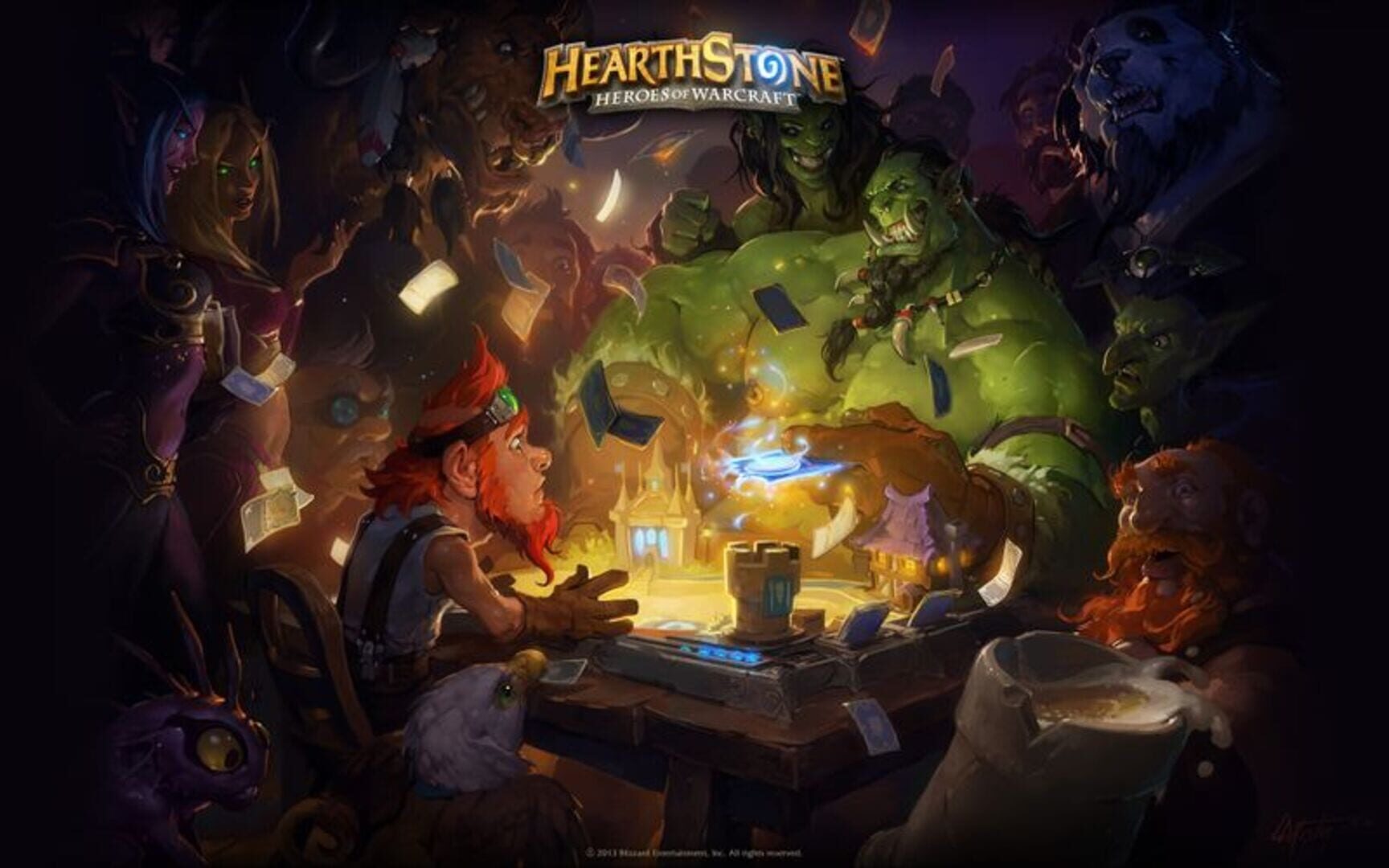
The 'tavern' atmosphere is genuinely charming and the humor is clever without being crude. It’s fantasy combat, but it feels more like a rowdy board game night than a gritty war simulator.
Imaginative
88
Deck-building is essentially a massive creative puzzle. Players have to invent synergies and adapt to a constantly shifting 'meta,' which rewards deep thinking and original combinations.
Safe
45
Capped due to aggressive monetization and 'gambling-lite' mechanics. The dopamine hit of opening card packs is designed to be addictive, and recent parent reviews highlight concerns over 'psychological tricks' used to drive spending.
Enriching
85
This is a stealth math teacher. To play well, you’re constantly calculating probabilities, managing resources (mana), and thinking three turns ahead. It’s high-level logic disguised as a video game.
Parent Info
✓
Why It Might Be Great
It turns complex probability and resource management into a game that’s actually fun.
The production value is massive—every card has unique voice acting and animations that make the world feel alive.
It’s a 'forever game' with a huge community, meaning there’s always someone to play against and new strategies to learn.
The solo adventures offer a great way to play without the pressure of competing against real people.
⚠
What to Watch For
The 'Pack Opening' ceremony is pure dopamine-engineered gambling; it’s very easy for kids to get hooked on the rush of finding a legendary card.
The game can feel 'pay-to-win'—if your kid is losing constantly, it’s usually because they don’t have the expensive cards, which leads to requests for your credit card.
While there's no open chat, 'emotes' can still be used to taunt players, which can get surprisingly salty.
Conversation Starters
"I noticed you're trying to get that specific card—do you think the game makes it hard on purpose?"
"How do you handle it when you lose a match because of bad luck rather than a bad play?"
"If we set a $0 budget for this month, how would you change your deck to stay competitive?"
"What’s the smartest play you’ve seen an opponent make lately?"