The logic of the literal
The reason this book has survived since 1963 isn't just because it's "cute"—it’s because it validates a kid's secret suspicion that adults are insane. When you tell a six-year-old to "run the vacuum," a tiny part of their brain wonders if they should be racing it down the hallway. Amelia Bedelia is the only character who actually does it.
She functions as a chaotic-neutral proxy for every child who has ever been baffled by an idiom. The humor works because the stakes are low but the execution is high-effort. When she "dresses the chicken," she isn't just confused; she’s committed, putting little tiny pants and socks on a broiler. That specific brand of visual comedy hits the developmental sweet spot where kids are finally starting to master the "correct" way to use language and are eager to clown on anyone who gets it wrong.
The Pie Factor and the ending
If you’re worried about the power dynamic—a housekeeper getting scolded by her employers—the ending is what saves it. This isn't a story about a woman being incompetent; it’s a story about a woman who has a very specific, elite superpower.
The Rogers family realizes that while Amelia can’t follow a list to save her life, she can bake a lemon meringue pie that makes everyone forget their problems. For a child, this is a massive takeaway: you can be "wrong" about the instructions and still be the most valuable person in the room. It’s a subtle nod to neurodiversity and different ways of processing information, even if the book was written decades before we had those labels.
Why this specific edition matters
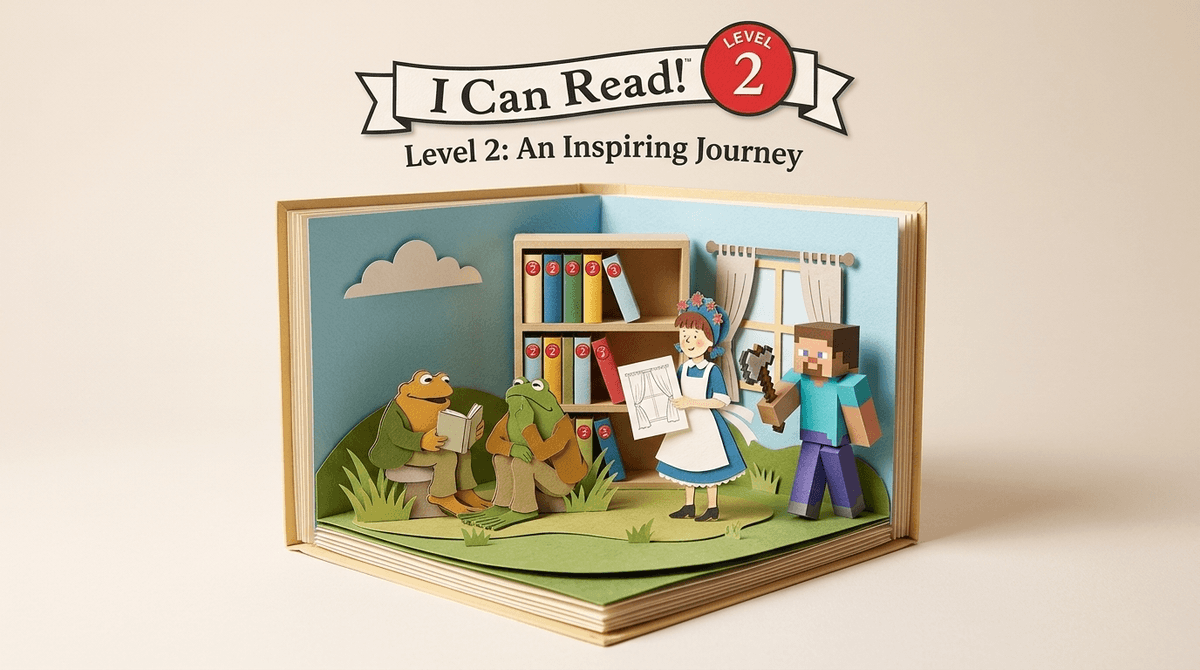
The 2013 50th Anniversary edition is the one to get. It keeps the original 1963 palette, which feels vintage without looking dated. More importantly, the Level 2 "I Can Read" branding is accurate. The sentences are long enough to challenge a first-grader but the repetitive structure—Amelia reads a command, Amelia does something ridiculous, Amelia moves to the next room—provides a predictable rhythm that builds reading momentum.
The extra eight pages of sketches and history in this version are probably more for you than for them, but they’re a nice touch if you have a kid who is curious about how books are made.
If your kid is ready for more
If this lands well, you’re looking at a gateway drug to a very specific type of humor.
- If they loved the wordplay, move toward The Phantom Tollbooth in a year or two.
- If they loved the "competent but weird" energy, they’ll probably vibe with the Frog and Toad series, which shares that same gentle, slightly absurdist DNA.
- If they just want more Amelia, be aware that the newer "Young Amelia Bedelia" books (where she's a child) lose some of the magic. The original "Adult Amelia in a Maid Uniform" version is much funnier because the contrast between her professional role and her literal brain is where the real comedy lives.