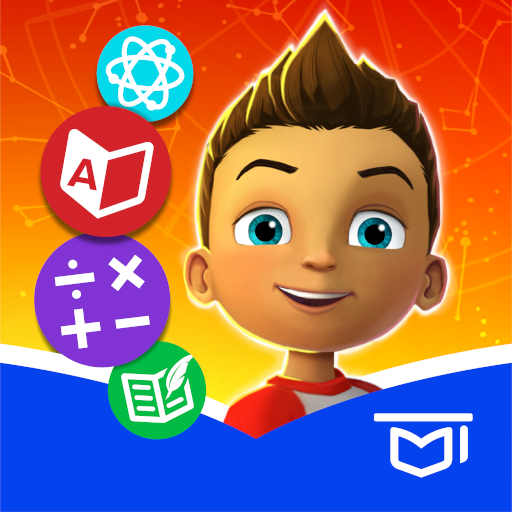


Adventure Academy is what happens when you take solid educational content and wrap it in an MMO—for better and worse.
The good: It's genuinely educational, created by the same team behind ABCmouse with real curriculum expertise. Kids love it, parents see learning happen, and it bridges that tricky gap between 'baby learning apps' and 'actual video games.' The scope is impressive—thousands of activities across core subjects, and the game mechanics (quests, customization, progression) actually motivate kids to engage with math and science.
The problem: Those social features. Multiple parent reviews flag safety concerns about chat and multiplayer interactions, and that's not nothing. You can disable chat entirely, but then you're losing part of what makes the game engaging. You can use filtered chat, but that requires trust and monitoring. It's not a dealbreaker, but it means this isn't a 'set it and forget it' educational app—you need to be involved.
The other issue is efficiency. Kids can spend a lot of time wandering around on scavenger hunts and socializing when you might prefer they focus on the actual learning activities. It's engaging, but sometimes the game gets in the way of the education.
Bottom line: If you're homeschooling or want a structured learning supplement and you're willing to manage the social settings, this is a solid choice. If you want something you can hand your kid without thinking about it, look elsewhere.