

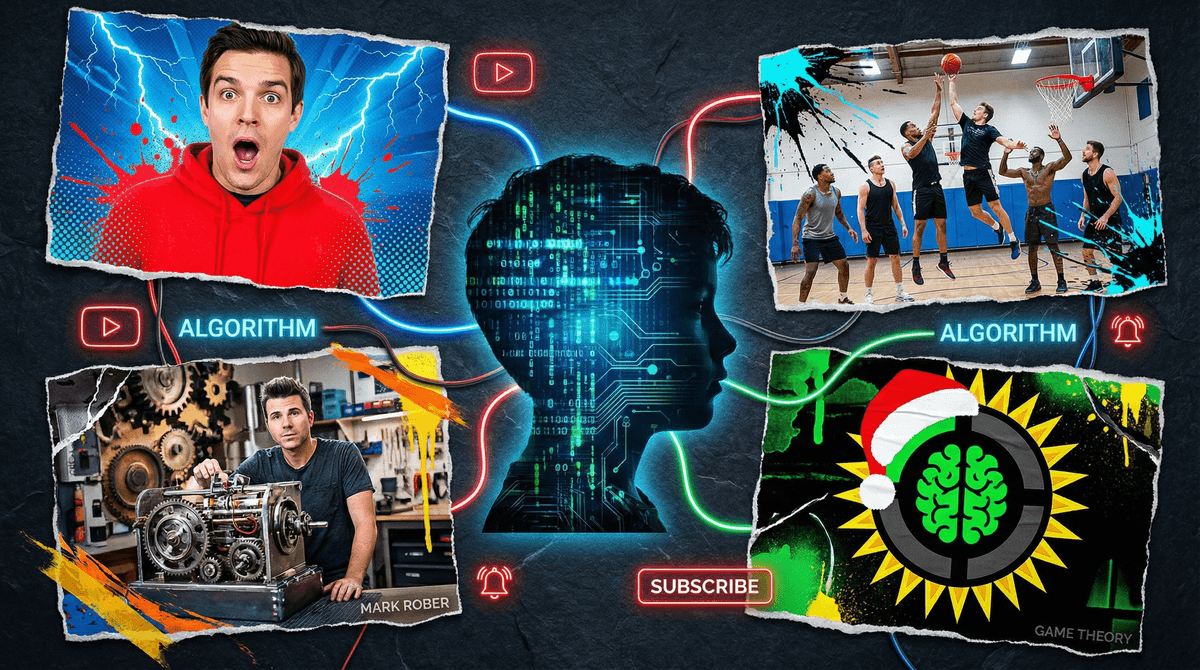
Let's be real: your tween is on YouTube. Not YouTube Kids anymore (if they ever were), but actual YouTube. They're watching MrBeast give away cars, following Minecraft creators with names you can't pronounce, learning dance trends, watching commentary channels dissect drama you've never heard of, and possibly falling down rabbit holes about topics ranging from slime tutorials to... conspiracy theories about the moon landing.
YouTube isn't just a video platform for this age group—it's their entertainment, their education, their social currency, and increasingly, their window into what it means to be a person in the world. The algorithm is incredibly good at keeping them watching, and the content spans from genuinely educational to absolute brain rot, often within the same recommended feed.
For 8-12 year olds, YouTube occupies this weird space between "kid content" and "teen/adult content" that no other platform really does. And here's the thing: they're forming their identity while watching it. What they laugh at, who they admire, what they think is "cringe"—it's all being shaped by creators and an algorithm designed to maximize watch time, not healthy development.
YouTube hits different for this age group because:
It feels grown-up. They're not watching Cocomelon anymore (thank god). They're watching "real" YouTubers who swear (sometimes), talk about drama, and treat them like they're in on the joke. It's validating.
The parasocial relationships are INTENSE. These creators talk directly to the camera, share "personal" stories, respond to comments. Your kid genuinely feels like they know them. When their favorite creator posts, it feels like a friend texted them.
It's their cultural encyclopedia. If they don't know about the latest MrBeast challenge or whatever drama is happening with Jojo Siwa, they're left out at school. YouTube is where tweens learn what's "in" and what's "cringe."
The algorithm is eerily good. It learns what they like and serves up endless content. Interested in Roblox? Here are 47 videos about it. Watched one video about true crime? Welcome to your new obsession.
It's "educational" (sometimes). And look, some of it actually is. Channels like Mark Rober and Vsauce are legitimately great. But the line between learning and just... watching someone play video games for three hours... is blurry.
Forget the "too much screen time" panic for a second. The bigger issues with YouTube for tweens are more nuanced:
The algorithm doesn't care about their development. It cares about watch time. So if your kid watches one video about anxiety, suddenly they're getting recommended content about mental health disorders they don't have. One video about a school fight? Here's a feed full of "satisfying revenge" content. The algorithm can accidentally create anxiety, normalize extreme content, or push them toward increasingly intense videos just to keep them watching.
Influencer culture is teaching them... things. Not all good. They're watching creators who flaunt wealth, promote hustle culture to literal children, engage in manufactured drama for clicks, and sometimes promote really questionable values—all while seeming like "just a regular person." Your tween doesn't necessarily have the critical thinking skills yet to recognize when they're being manipulated.
The comment sections are the Wild West. Even on wholesome content, scroll down and you'll find toxicity, spam, bots, and occasionally predatory behavior. Most tweens are reading comments, and many are commenting themselves.
Beauty standards and consumerism are relentless. Even if your kid isn't watching beauty content, they're seeing it. Perfect skin, designer clothes, "must-have" products, and the implicit message that you need to buy things to be cool. And don't even get me started on the "unboxing" genre.
They're forming political and social views. Whether you realize it or not, YouTube is teaching your tween about the world. Some creators are thoughtful and nuanced. Others are... not. And the algorithm doesn't distinguish between "well-researched video essay" and "rant from someone's basement."
Ages 8-10: They're probably still in that transition zone between kid content and tween content. This is actually a great age to establish habits because they're still somewhat open to your involvement.
- Co-watch regularly. Not in a hovering way, but genuinely sit down and watch their favorite creators with them. Ask questions. Show interest. You'll learn a ton about what they're absorbing.
- Curate their subscriptions together. Help them find quality channels. Dude Perfect, SciShow Kids, and The Game Theorists are solid starting points depending on interests.
- Keep devices in common spaces. Phones and tablets stay in the living room or kitchen. This isn't about not trusting them—it's about making YouTube a shared family activity rather than a private escape.
- Teach them about the algorithm. Seriously. Explain that YouTube is trying to keep them watching, not show them what's best for them. This is a foundational digital literacy skill.
Ages 11-12: They're more independent, more resistant to your involvement, and more likely to be watching content that makes you uncomfortable. This is normal. Your job shifts from gatekeeper to guide.
- Have real conversations about what they're watching. Not interrogations. Actual discussions. "I noticed you're really into [creator name]. What do you like about them?" Listen more than you lecture.
- Talk about parasocial relationships. Help them understand that while it feels like they know these creators, they don't. And these creators are performing, even when it seems authentic. You can explore this concept more here
 .
. - Discuss the business model. Explain that YouTubers make money from views, sponsorships, and merch. When they're promoting something, it's because they're getting paid. This isn't cynical—it's media literacy.
- Set boundaries around specific content types, not just time. Maybe you're fine with gaming content but not with drama channels. Maybe educational content doesn't count toward screen time limits. Be specific about your values.
- Use Restricted Mode (but know its limits). It's in YouTube settings and filters out mature content. It's not perfect—it'll miss some stuff and block some harmless things—but it's better than nothing. Here's how to set it up.
You cannot and should not try to control everything they watch. I know that's scary. But micromanaging their viewing will just make them sneaky. Your goal is to build their critical thinking skills so they can navigate YouTube (and eventually, the rest of the internet) wisely.
The "bad" content isn't always obvious. It's not just about swearing or violence. Some of the most concerning content is subtle: creators who promote materialistic values, mock people for engagement, or present unhealthy relationship dynamics as normal.
Your tween is comparing themselves to what they see. Whether it's a creator's lifestyle, appearance, friend group, or talents, your kid is measuring themselves against it. Talk about this openly. Remind them that what they see is edited, curated, and often exaggerated.
YouTube can actually be amazing. Let's not forget this. There are creators teaching kids to code, explore science, appreciate art, think critically, and pursue their passions. Crash Course has probably taught more kids history than most textbooks. Kurzgesagt makes complex science accessible and beautiful. The platform isn't the enemy—it's just a tool that needs guidance.
The "Don't Recommend Channel" button is your friend. See a creator or content type you don't want in their feed? Click the three dots next to any video and select "Don't recommend channel." It's not perfect, but it helps train the algorithm.
- "What's the funniest video you've seen this week?"
- "Who's your favorite YouTuber right now? What do you like about them?"
- "Have you ever watched a video that made you feel weird or uncomfortable?"
- "Do you think [creator name] is really like that in real life, or is it kind of an act?"
- "What do you think about all those ads and sponsorships in videos?"
- "Have you ever clicked on a video and then realized it wasn't what you thought it would be?"
YouTube for tweens is neither the devil nor a perfect educational tool—it's a massive, algorithm-driven platform that your kid is absolutely using to figure out who they are and how the world works. Your job isn't to eliminate it (good luck with that) but to help them develop the critical thinking skills to navigate it wisely.
Watch with them sometimes. Talk about what they're seeing. Help them understand how the platform works and why creators make the choices they do. Set some boundaries, but make them reasonable and based on your family's values, not fear.
And remember: you survived whatever questionable media you consumed as a kid. They'll survive YouTube. Especially if you're present, curious, and willing to have real conversations about what they're watching.
- Set up YouTube parental controls and explore Restricted Mode together
- Learn the difference between YouTube and YouTube Kids if you're still in that transition phase
- Sit down this week and watch three of their favorite videos with them (yes, all the way through)
- Explore age-appropriate YouTube channels that align with your kid's interests
- Have a conversation about the algorithm and how it works—make it a teaching moment, not a lecture