

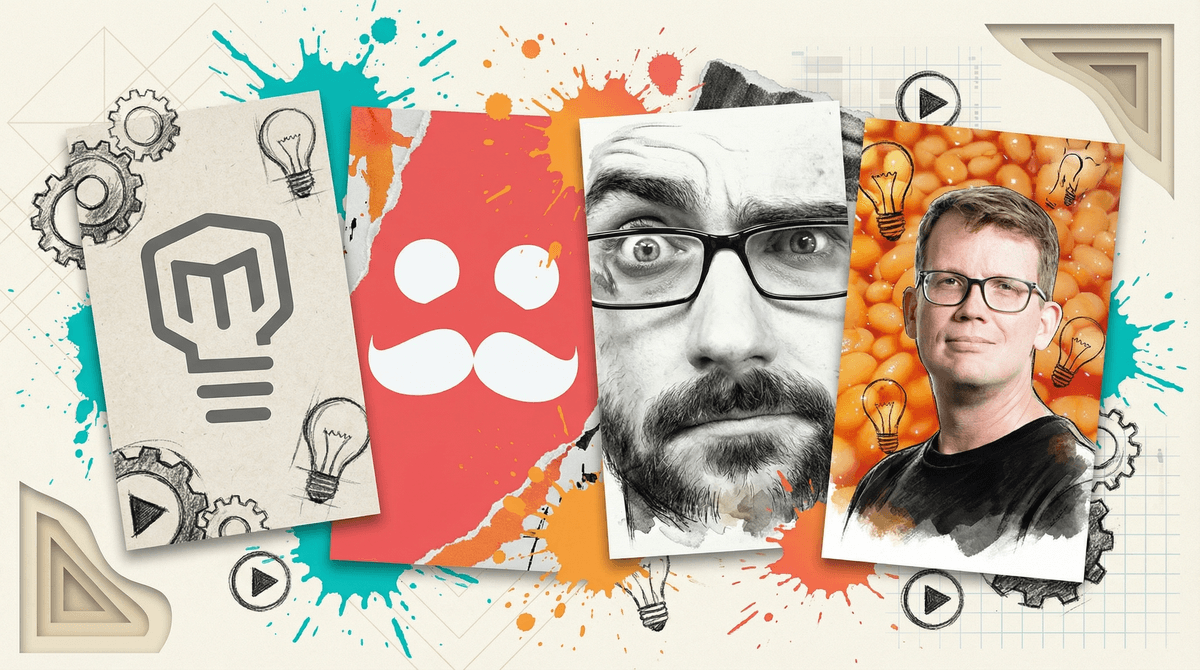
Look, we need to talk about YouTube and masculinity. If your son (or any kid, really) is spending time on YouTube, there's a decent chance they're getting served content that ranges from "questionable" to "yikes" when it comes to male role models. The algorithm loves pushing confident dudes who get views, and unfortunately, a lot of those views come from content that equates being a man with being loud, dominant, dismissive of emotions, or just... kind of mean.
The good news? There are incredible male creators making content that's genuinely positive—teaching skills, showing vulnerability, celebrating creativity, and modeling the kind of masculinity that doesn't require putting anyone else down. They exist! They're just harder to find because they're not optimizing for outrage and dominance displays.
This guide is about finding those channels and understanding why it matters what kind of male role models are in your kid's digital diet.
YouTube is where a lot of kids—especially boys—are building their understanding of what it means to "be a man." And honestly? The platform's recommendation algorithm has a documented tendency to push users toward more extreme content over time. A kid searching for gaming tips can end up three clicks away from someone ranting about "alpha male" nonsense.
Research shows that exposure to toxic masculinity content correlates with:
- Decreased empathy and emotional expression
- More rigid gender role beliefs
- Increased aggression and risk-taking behavior
- Lower academic engagement (because caring about school isn't "cool")
But here's the thing: kids aren't seeking out toxic content because they're bad kids. They're looking for role models, entertainment, and community. They want to see people who are confident, funny, and good at things. The algorithm just happens to serve up a lot of that confidence wrapped in some pretty harmful messaging.
The creators we're highlighting below offer that same confidence and skill—just without the side of misogyny, homophobia, or emotional suppression.
For the Makers and Builders
Mark Rober (Ages 8+)
Former NASA engineer who makes elaborate contraptions and science experiments. He's enthusiastic, curious, celebrates failure as part of learning, and regularly collaborates with others (including his niece who's on the autism spectrum). His content is genuinely educational without being preachy, and he models problem-solving and persistence beautifully.
Adam Savage's Tested (Ages 10+)
The Mythbusters alum talks openly about his creative process, mistakes, and learning. He's unabashedly enthusiastic about his interests and shows that being passionate about things is cool, actually. Great for kids interested in making, building, or any kind of hands-on creation.
Simone Giertz (Ages 10+)
Okay, she's not a man, but she's included here because she's often in male-dominated spaces and her channel features tons of male collaborators who model healthy masculinity. Her "shitty robots" embrace imperfection and humor in making, which is a great antidote to perfectionistic "alpha" content.
For the Gamers
DanTDM (Ages 6+)
One of the OG kid-friendly gaming YouTubers. He's enthusiastic without being aggressive, doesn't use toxic language, and treats his audience with respect. Yes, he's still very energetic (it's gaming content), but there's zero edge-lord energy here.
Mumbo Jumbo (Ages 8+)
Minecraft redstone expert with a calm, thoughtful approach to complex builds. British, polite, and models patience and problem-solving. Great alternative to more aggressive Minecraft creators.
RTGame (Ages 12+)
Irish gaming creator who's genuinely funny without relying on shock value or put-downs. His humor is absurdist and creative, and he's built a community known for being one of the kindest in gaming.
For the Curious and Educational
Hank Green (Ages 10+)
Science communicator, author, and generally delightful human who talks about everything from biology to mental health to internet culture. He's open about his anxiety, celebrates learning, and models that being smart and kind aren't mutually exclusive.
Physics Girl (Ages 8+)
Again, not a man, but features lots of male scientists and collaborators who are enthusiastic about discovery and teaching. Great for STEM-interested kids.
Vsauce (Ages 12+)
Michael Stevens explores fascinating questions about science, philosophy, and human behavior. Thoughtful, curious, and models intellectual humility—he's not afraid to say "we don't know yet."
For the Athletes and Adventurers
Yes Theory (Ages 13+)
Group of friends who seek discomfort and new experiences. They're vulnerable about their fears, celebrate emotional connection, and show masculinity that includes hugging your friends and talking about feelings. Some content involves mild risk-taking, so preview first.
Noel Deyzel (Ages 13+)
Bodybuilder who actively pushes back against toxic gym culture. Talks openly about mental health, body image, and treating everyone with respect. His content is about building yourself up, not tearing others down.
Even good channels can have occasional missteps or feature guests who aren't great. Here's what to keep an eye on:
- Comment sections: Even positive creators can have toxic comment sections. Consider disabling comments for younger kids.
- Collaborations: Sometimes good creators collab with questionable ones. This is a chance for conversation, not necessarily a dealbreaker.
- Evolution: Creators change over time. A channel that was great two years ago might have shifted. Check in periodically.
- The algorithm: YouTube will absolutely try to push your kid toward more extreme content. Learn more about how YouTube's recommendation algorithm works
 and consider using YouTube Kids for younger children or curated playlists.
For younger kids (8-11): "I noticed you've been watching a lot of [whoever]. What do you like about them? Let me show you this other creator who does similar stuff..."
For tweens/teens (12+): "Can we talk about some of the YouTube channels you're into? I'm curious what you like about them. I've been thinking about how the people we watch can influence how we think about stuff—not in a 'you're being brainwashed' way, but just... we pick up attitudes from people we spend time with, even online. Want to check out some channels together?"
The meta conversation: "YouTube's algorithm is designed to keep you watching, and it's learned that angry, controversial content keeps people clicking. That doesn't mean the creators are bad people, but it's worth thinking about what kind of energy you want in your feed."
You can't control everything your kid watches, and that's okay. The goal isn't to create a perfectly curated, toxin-free media environment (impossible). The goal is to:
- Provide alternatives: Make sure positive role models are in the mix
- Build media literacy: Help kids recognize when content is optimizing for outrage vs. genuine value
- Keep communication open: Create space for conversations about what they're watching without judgment
The creators listed here aren't perfect, and this list isn't exhaustive. But they're all people who model that you can be confident, skilled, funny, and successful without being a jerk. That's a pretty good starting point.
- Watch together: Pick one channel from this list and watch a video with your kid. See what resonates.
- Create a playlist: Help your kid build a "favorites" playlist of positive creators so they're not just relying on the algorithm.
- Check in regularly: "What are you watching these days?" should be as normal as "What are you reading?"
- Explore more: Check out our guide on YouTube vs. YouTube Kids for platform-specific tips, or See if specific creators are appropriate you're wondering about.
Remember: you're not trying to shield your kid from the entire internet. You're helping them build a filter for what's worth their time and who's worth learning from. That's a skill that'll serve them way beyond YouTube.