

The Ultimate Movie Guide for 15-Year-Olds: What's Actually Worth Watching
TL;DR: Fifteen is that sweet spot where teens can handle complex themes but still appreciate a good superhero flick. Here are the must-watches that'll actually spark conversations beyond "it was good":
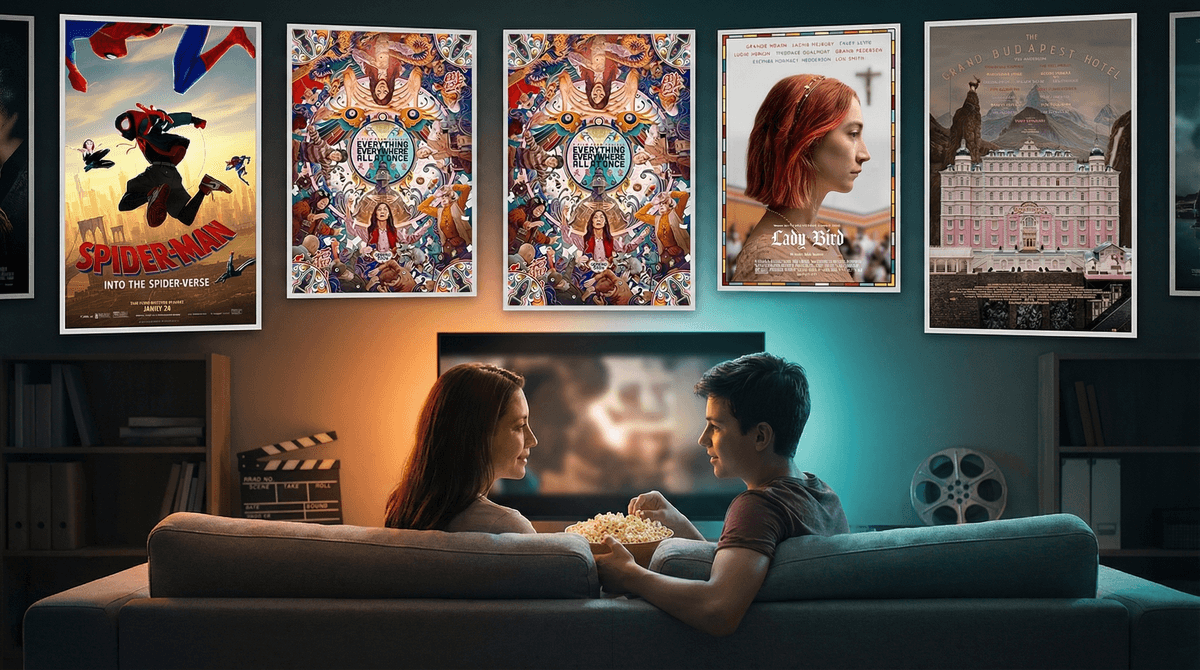
Instant classics: Spider-Man: Into the Spider-Verse • Everything Everywhere All at Once • The Truman Show
For the feels: Lady Bird • The Perks of Being a Wallflower • Little Miss Sunshine
Smart comedies: Mean Girls • Booksmart • The Grand Budapest Hotel
Fifteen-year-olds are in this fascinating in-between space where they're too old for kids' movies but not quite ready for every R-rated film that exists. They're developing their own taste, forming real opinions about storytelling and cinematography (even if they don't call it that), and honestly? They can handle way more nuance than we give them credit for.
The challenge isn't finding movies that are "safe" for 15-year-olds. It's finding movies that are actually good and won't make them roll their eyes at you for suggesting something "cringe." Because let's be real—if you recommend something that feels like it's trying too hard to be relevant or educational, you've lost them.
At 15, teens are ready for:
- Complex moral questions without neat answers
- Authentic representation of what teenage life actually feels like (not the Disney Channel version)
- Visual storytelling that treats them like intelligent viewers
- Themes about identity, belonging, and figuring out who they want to be
- Humor that doesn't punch down or rely on cringe comedy
They're NOT necessarily ready for:
- Graphic sexual content (though they can handle romance and relationships)
- Extreme violence without purpose or context
- Heavy substance abuse glorification
- Nihilistic messaging without hope
This isn't just a superhero movie—it's a masterclass in visual storytelling. Miles Morales is dealing with imposter syndrome, family expectations, and the pressure to live up to impossible standards. Sound familiar to any 15-year-old you know?
Why it works: The animation style is revolutionary, the soundtrack slaps, and the emotional core about finding your own path (even when everyone expects something different) hits different at this age. Plus, it proves that superhero movies can be art.
Conversation starters: What does it mean to be "Spider-Man"? How do you handle expectations from parents vs. your own dreams?
Yes, it's rated R, but mostly for language. This mind-bending multiverse story about a Chinese immigrant family running a laundromat somehow manages to be about everything—generational trauma, parent-child relationships, finding meaning in chaos, and accepting yourself.
Why it works: It's visually insane, genuinely funny, and deeply moving. Teens who've grown up with Marvel multiverse content will appreciate the concept but be blown away by the execution. The mother-daughter dynamic is particularly powerful for teens navigating their own relationships with parents.
Watch out for: Some mature themes and language. Preview it first if your family has strict content boundaries, but honestly, the emotional payoff is worth it.
This 1998 film feels more relevant now than ever. A man discovers his entire life is a reality TV show, and everyone he knows is an actor. For teens growing up with social media, constant surveillance, and curated online personas, this hits different.
Why it works: It raises questions about authenticity, free will, and what's real vs. what's performed. Your 15-year-old is navigating these exact questions on Instagram and TikTok every day.
Conversation starters: How much of our lives do we perform for others? What does it mean to live authentically?
Greta Gerwig's directorial debut is the most accurate portrayal of the mother-daughter relationship during senior year of high school that's ever been put on film. Christine "Lady Bird" McPherson is trying to figure out who she is while her mom is simultaneously holding on and pushing away.
Why it works: It's funny, heartbreaking, and so specific that it becomes universal. Every teen who's felt misunderstood by their hometown or complicated about their parents will see themselves here.
Perfect for: Parent-teen watch parties, honestly. Just be prepared for some feelings.
Charlie is a freshman dealing with mental health issues, first love, and finding his people. This movie doesn't shy away from heavy topics—trauma, suicide, LGBTQ+ identity—but handles them with care and hope.
Why it works: It captures that feeling of finally finding your group, the people who get you. The "we are infinite" scene is iconic for a reason.
Content note: Deals with sexual abuse (not shown graphically), mental health crises, and has some drug/alcohol use. It's handled thoughtfully, but good to know going in.
Two academic overachievers realize the night before graduation that they should've had more fun in high school. It's like Superbad but smarter, more inclusive, and with female leads who are actual people, not stereotypes.
Why it works: It's hilarious without being mean, celebrates female friendship, and has great LGBTQ+ representation. The humor is sharp and the heart is real.
Rated R for: Language and teen party behavior, but nothing gratuitous.
A dysfunctional family road trips to a child beauty pageant in a VW bus. Every family member is dealing with failure in their own way, and the movie is both darkly funny and ultimately hopeful about what family means.
Why it works: It's weird, authentic, and shows that "success" isn't one-size-fits-all. The teenage son's character arc about finding his voice is particularly resonant.
Bonus: Great cast, quotable lines, and a killer soundtrack.
Wes Anderson's masterpiece is a story-within-a-story about a legendary concierge and his protégé at a famous European hotel. It's visually stunning, meticulously crafted, and surprisingly moving.
Why it works: For teens who appreciate aesthetics (and let's be real, they all do), this is cinema as art. The story about mentorship, loyalty, and preserving beauty in a chaotic world sneaks up on you.
Great for: Teens interested in film, art, or storytelling craft. This is the movie that makes kids want to be filmmakers.
Twenty years later, this movie still holds up. Cady Matheson infiltrates the popular clique and learns that high school social dynamics are basically anthropology.
Why it works: It's genuinely funny, endlessly quotable, and actually has something to say about female friendship and social cruelty. Plus, your teen needs to understand the cultural references.
Fun fact: Written by Tina Fey based on the non-fiction book "Queen Bees and Wannabes" about relational aggression in teenage girls.
Sci-Fi That Makes You Think
- Arrival - Linguistics, time, and communication with aliens
- Ex Machina - AI consciousness and manipulation (some mature content)
- Inception - Dreams within dreams, perfect for teens who love complex plots
Coming-of-Age Classics
- The Breakfast Club - Still relevant 40 years later
- Dead Poets Society - "Carpe diem" and finding your voice
- Juno - Teen pregnancy handled with humor and heart
Action with Substance
- Mad Max: Fury Road - Feminist action masterpiece
- The Dark Knight - Superhero movie that's actually about moral philosophy
- Baby Driver - Action choreographed to music
For the Romantics
- 10 Things I Hate About You - Shakespeare adaptation that works
- The Half of It - Cyrano de Bergerac reimagined with LGBTQ+ themes
- Call Me By Your Name - Beautiful summer romance (some sexual content)
Here's the thing: most 15-year-olds can handle R-rated content if it's there for a reason and not just gratuitous. The difference between watching Schindler's List and some random slasher film isn't the rating—it's the purpose.
Questions to ask:
- Is the mature content essential to the story?
- Does it show consequences, or does it glorify harmful behavior?
- Is your teen emotionally ready for heavy themes?
- Can you watch together and discuss afterward?
Every family has different boundaries, and that's fine. But don't automatically dismiss R-rated films for a 15-year-old—many of the most meaningful, conversation-starting movies carry that rating simply for language or thematic elements.
Euphoria (the show, but applies to similar content): Yes, it's beautifully shot. Yes, teens watch it. But the graphic drug use, sexual content, and violence without much redemption or hope makes it more exploitative than meaningful for most 15-year-olds.
Most "teen" horror movies: Films like Terrifier or extreme horror are just violence for violence's sake. If your teen wants horror, go for psychological thrillers like Get Out or A Quiet Place instead.
The Wolf of Wall Street: Technically a cautionary tale about excess, but it's so excessive that the message gets lost. Save this one for college.
The biggest challenge isn't finding good movies—it's getting your teen to actually watch them with you. Some strategies that work:
Let them pick from a curated list: Give them 5-6 options you've pre-approved. They get choice, you get peace of mind.
Make it an event: Good snacks, no phones (including yours), comfortable setup. Show that you're prioritizing this time together.
Don't force the conversation: Watch the movie, maybe make one or two comments, and then let it breathe. If they want to talk about it, they will. If not, you've still shared an experience.
Follow their interests: If they're into animation, start with Spider-Verse. If they love music, try Baby Driver. Meet them where they are.
Fifteen-year-olds are ready for movies that challenge them, make them think, and treat them like the almost-adults they're becoming. The best films for this age don't talk down to teens or try to "teach lessons"—they tell compelling stories that happen to raise interesting questions.
Your teen might not thank you immediately for introducing them to The Truman Show or Lady Bird, but years from now, these will be the movies they remember and recommend to their own friends. They're building their taste, their critical thinking skills, and their understanding of storytelling.
And honestly? Watching great movies together is one of the easiest ways to stay connected with your teen. You're not lecturing, you're not interrogating them about their day—you're just sharing something meaningful. That's worth two hours of your time.
Want more recommendations? Check out our guides on coming-of-age movies for teens, movies that teach media literacy, or what to watch after Spider-Verse.