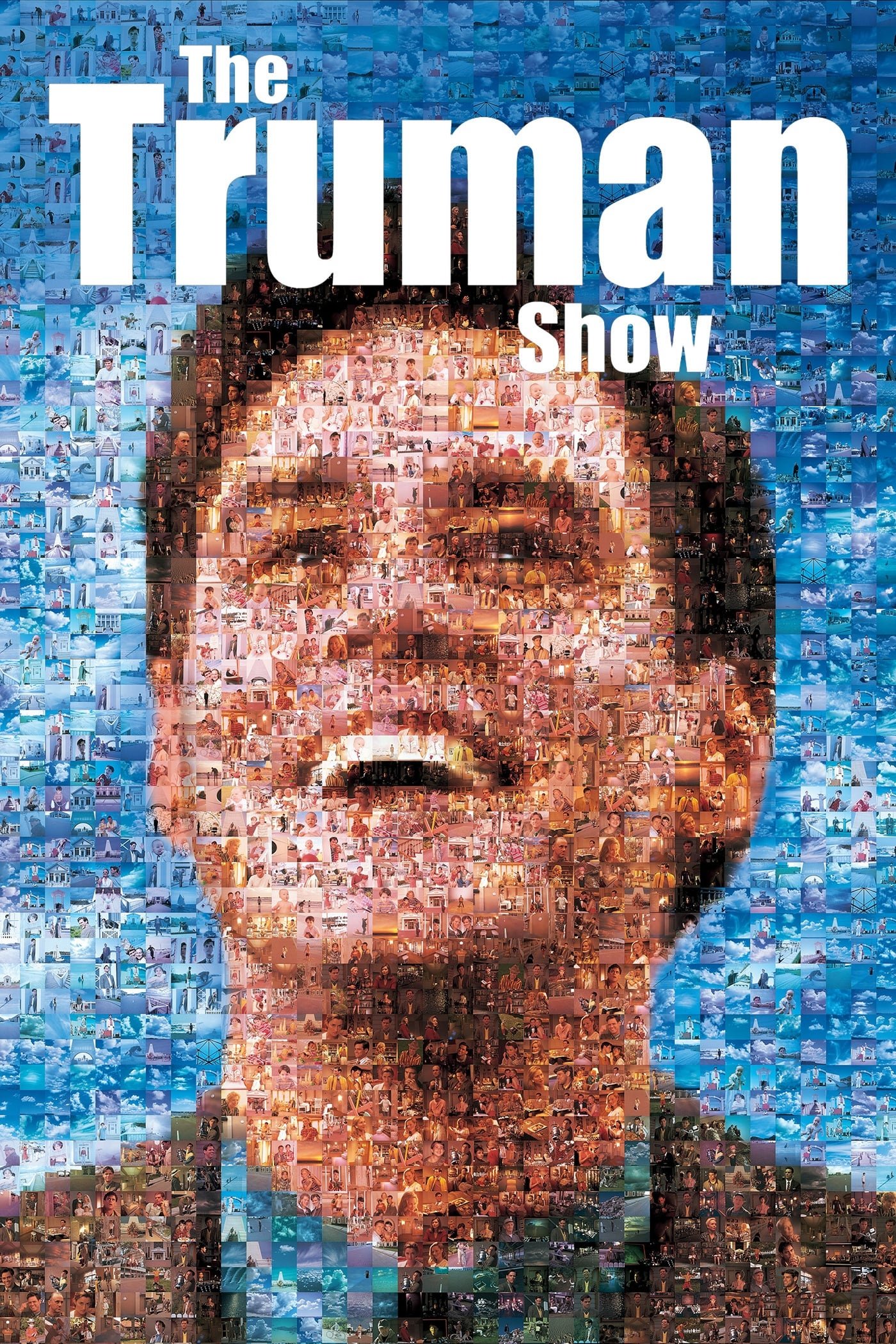
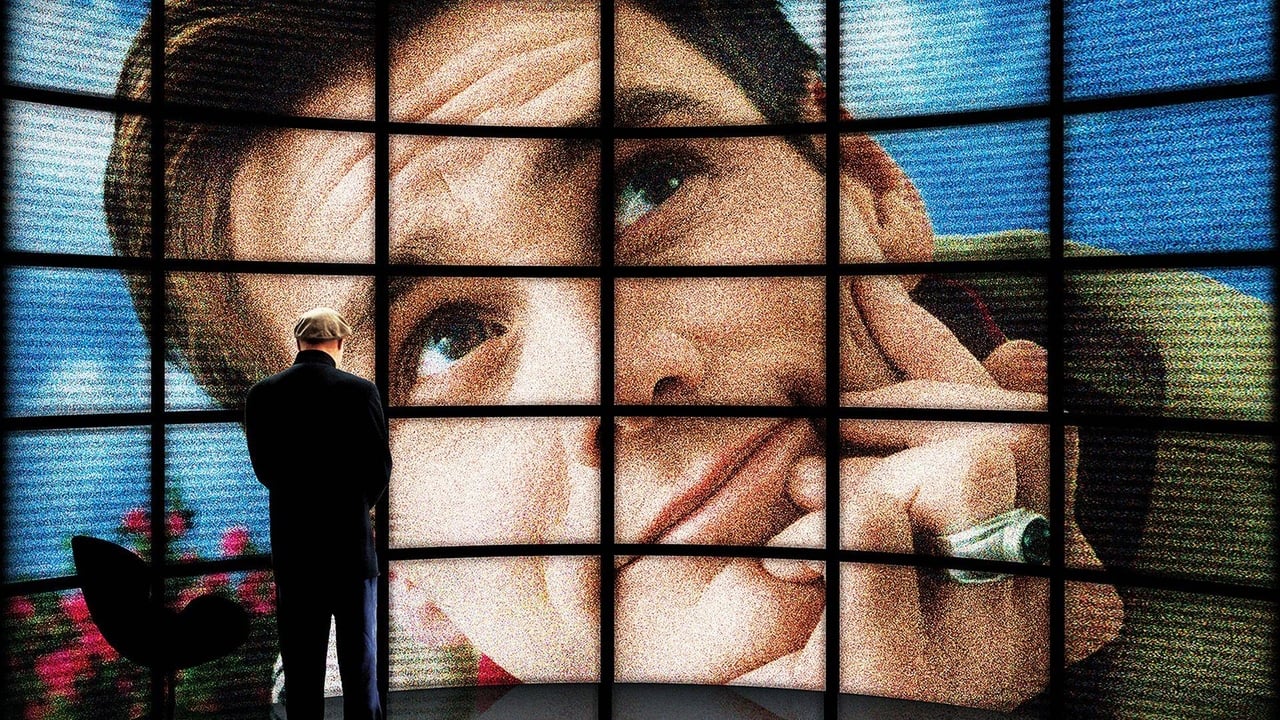
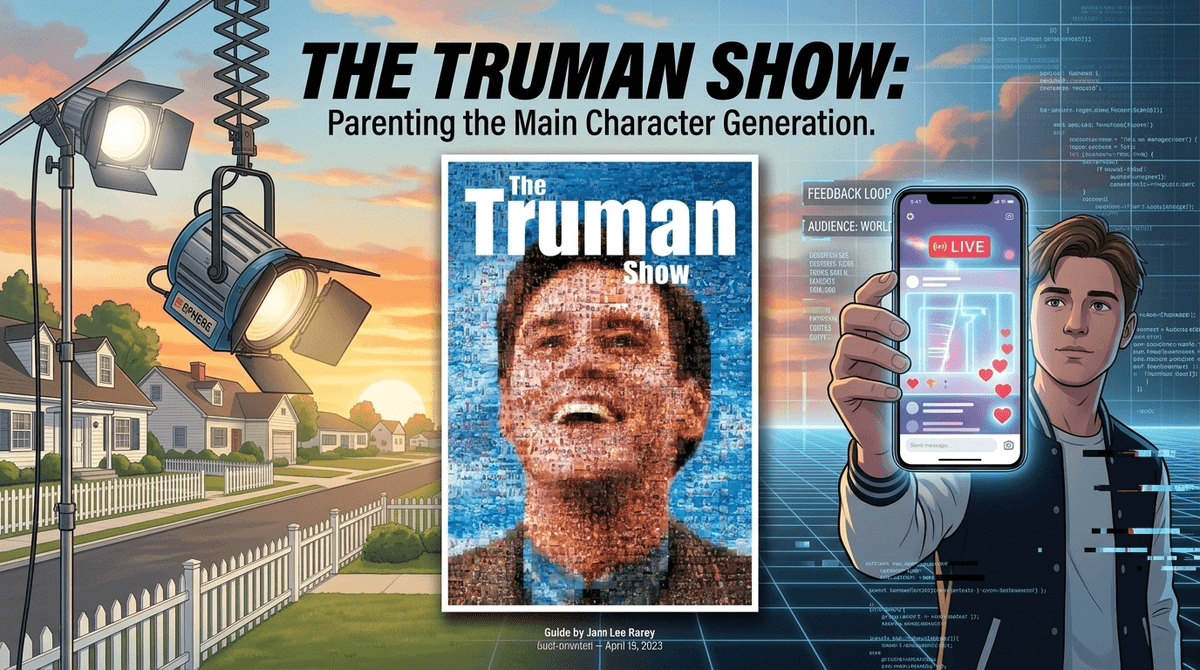
In 1998, The Truman Show felt like a clever "what if" scenario about the extremes of reality television. In 2026, it plays more like a cautionary tale about the world we actually built. For a generation of kids who grow up seeing "Day in the Life" vlogs and staged TikTok pranks as a standard career path, Truman’s struggle to escape the lens is a powerful bit of counter-programming. It’s the ultimate antidote to the "everyone is watching me" anxiety of middle school, mostly because it confirms that being watched 24/7 is actually a nightmare.
The Jim Carrey pivot
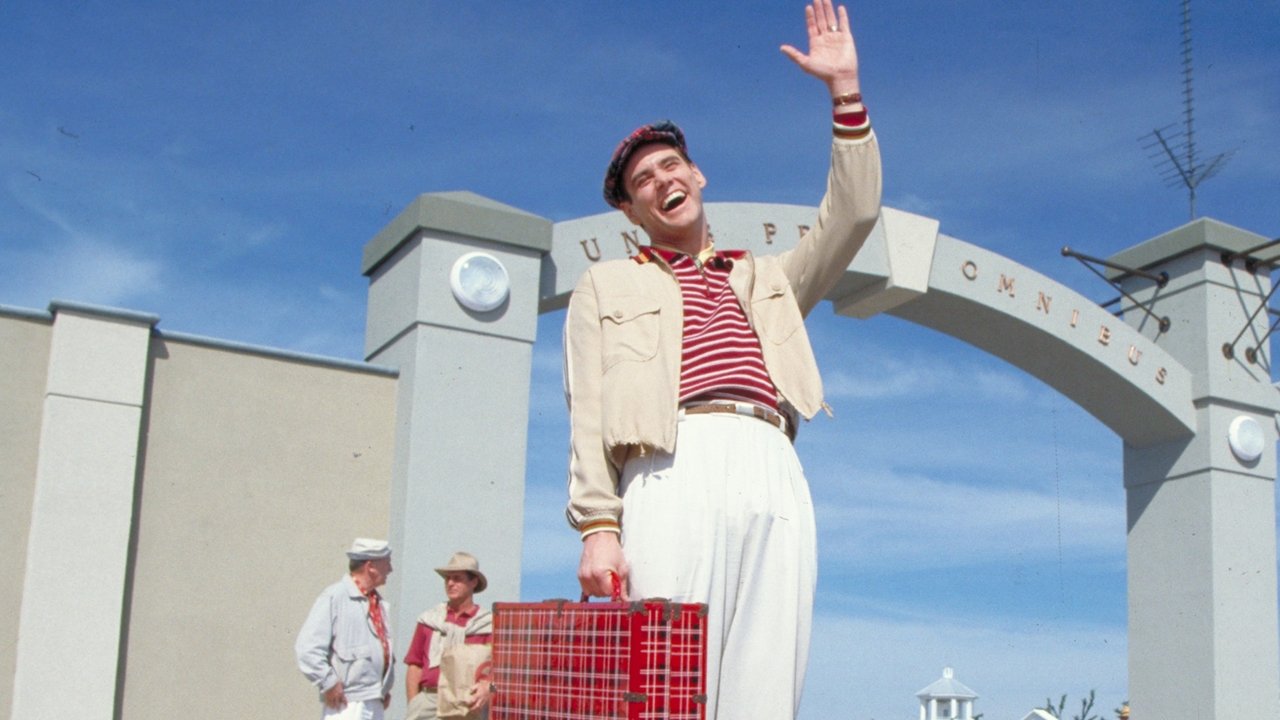
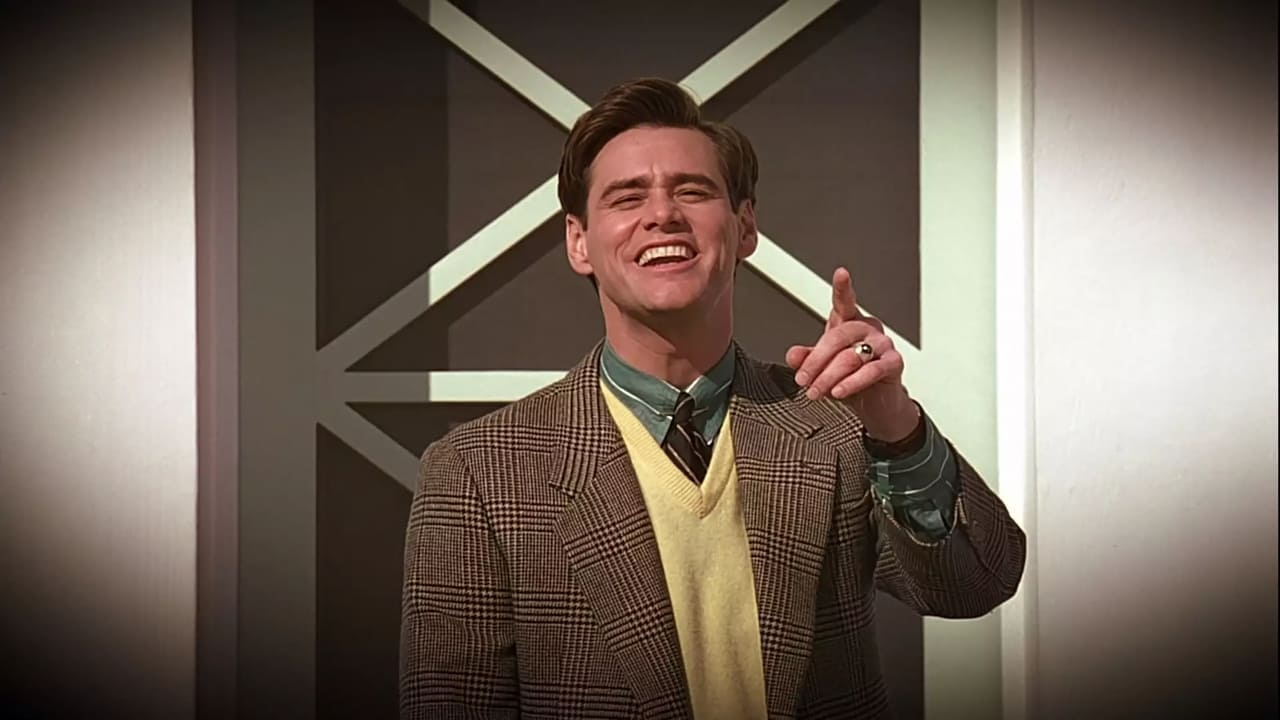
If your kids only know the lead actor as the manic villain from the Sonic movies or the guy in the green fur, this is the perfect bridge to his more "serious" work. He still uses that rubber-faced physicality, but here it’s a mask Truman wears to hide his growing suspicion that something is deeply wrong. It’s a masterclass in seeing a character realize they are being gaslit by their entire reality.
If you're planning a marathon, checking out a parent’s guide to Jim Carrey movies can help you decide which of his 90s hits are actually worth the nostalgia trip and which are better left in the vault. This one, however, is a top-tier choice for any grade-by-grade guide to classic films because it respects the viewer's intelligence.
The "pacing" problem is a feature, not a bug
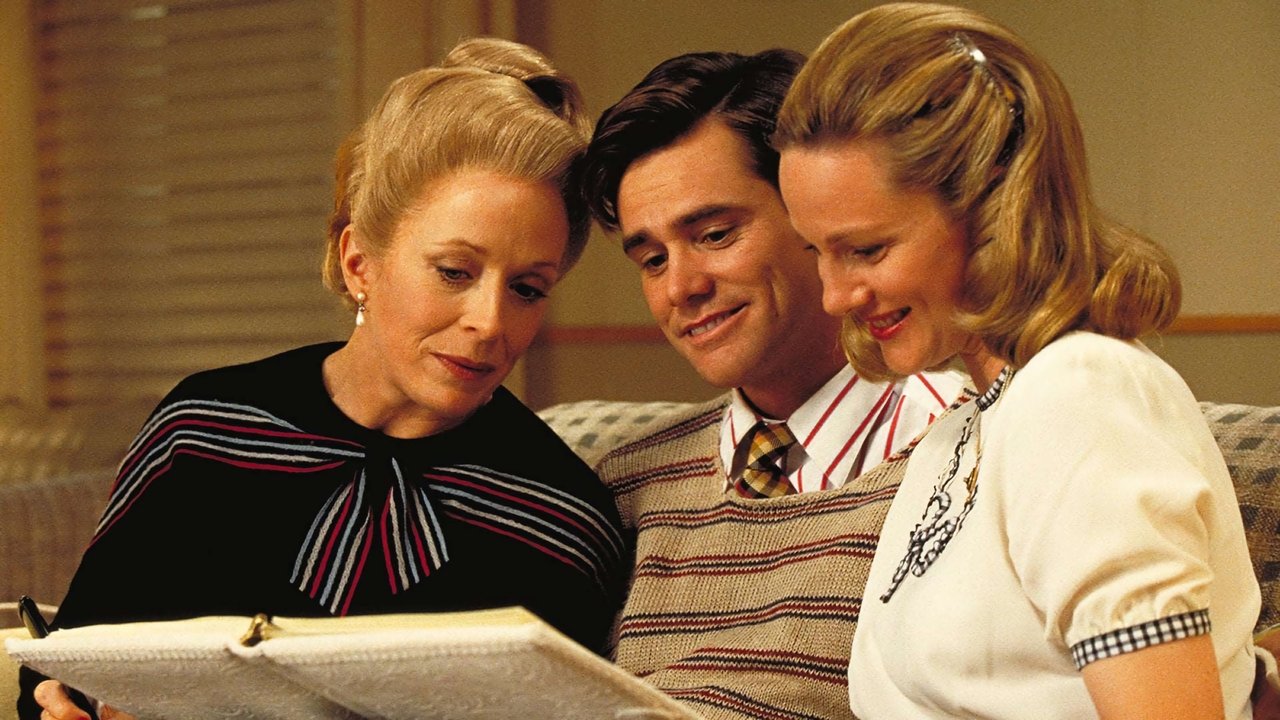
Let’s be honest: your kids might find the first twenty minutes slow. We live in an era of three-second hooks and rapid-fire editing. The Truman Show takes its time establishing the uncanny, "perfect" world of Seahaven. Don't let them bail early. The payoff isn't just in the action of the final act; it’s in the creeping realization that every person Truman talks to—his wife, his best friend, his mother—is reading from a script.
If you’re worried about the attention span of a kid raised on YouTube shorts, you might need to master the art of the slow movie pitch. Tell them it’s a psychological thriller disguised as a comedy. Once the "glitches" start happening—a light falling from the "sky," a radio frequency picking up the film crew—most teens will be hooked on the mystery.
Why it sticks the landing
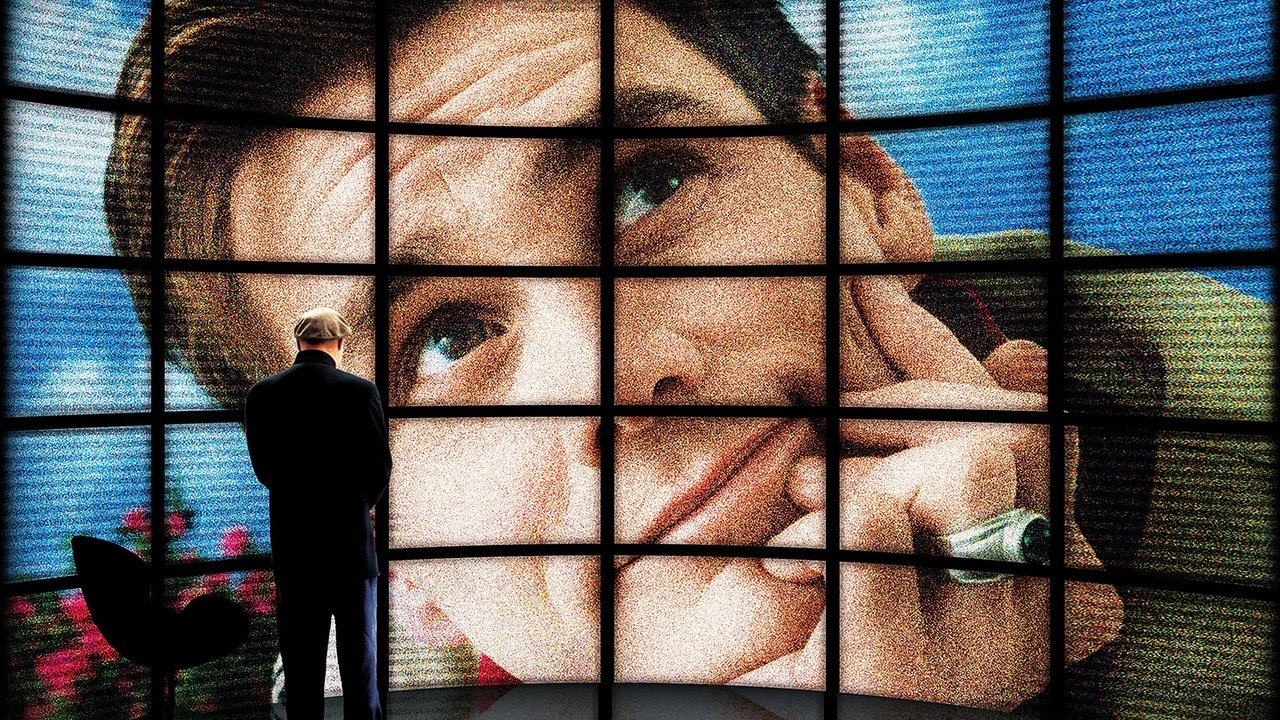
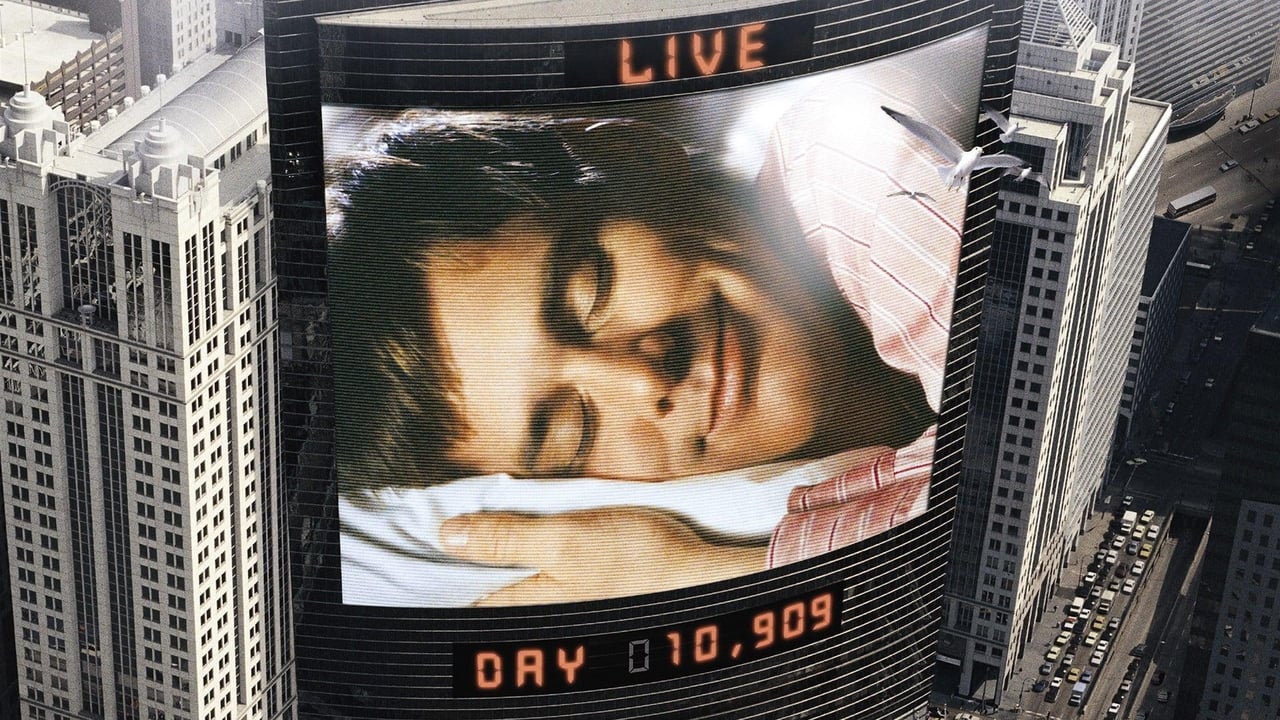
The movie doesn't just critique the director character; it critiques the audience. There are recurring shots of "regular people" in bars and bathtubs watching Truman’s life as a form of wallpaper. This is the part that sparks the best conversations with teens. Why are we so obsessed with watching "real" people live their lives? Why do we feel entitled to their private moments?
It’s a rare film that manages to be a high-concept satire without being cynical. Truman’s quest is ultimately about integrity—the desire to find something authentic even when the whole world is being paid to lie to you. It’s a heavy theme, but because it’s wrapped in a 103-minute runtime with a 94% critic score, it never feels like a lecture. It’s just great storytelling that happens to make you want to throw your phone in the ocean.