The sensory experiment
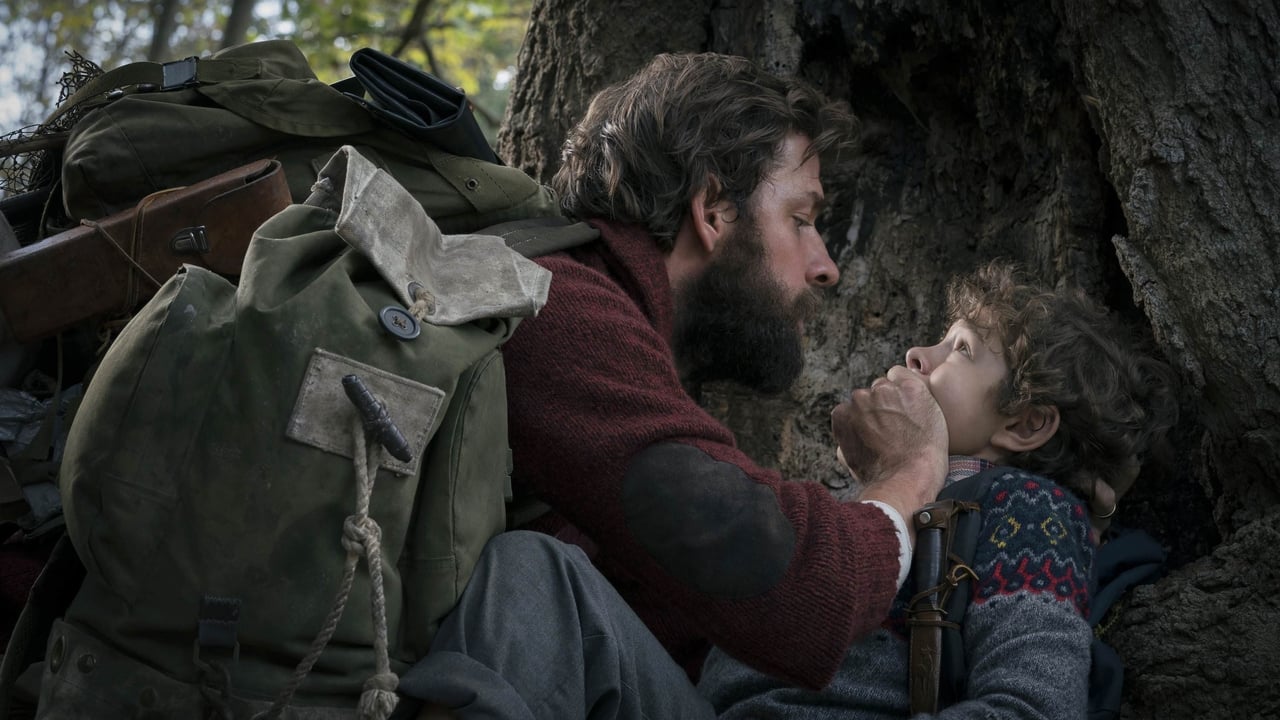
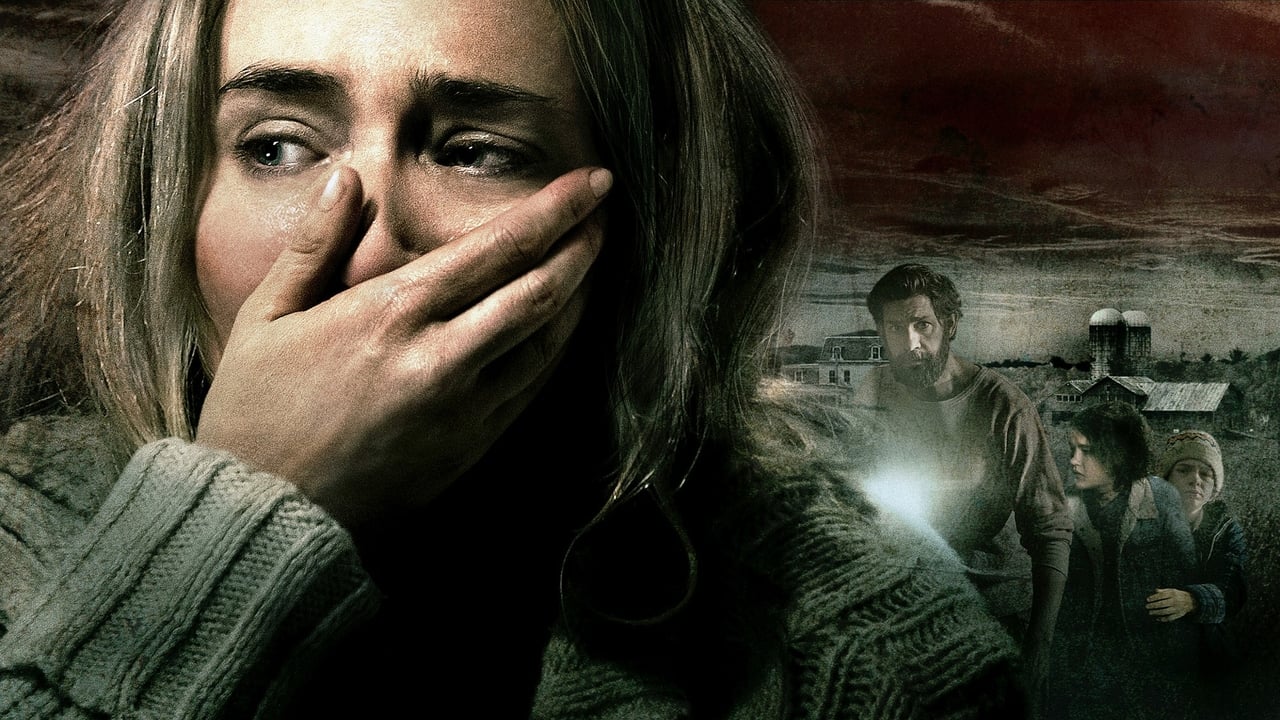
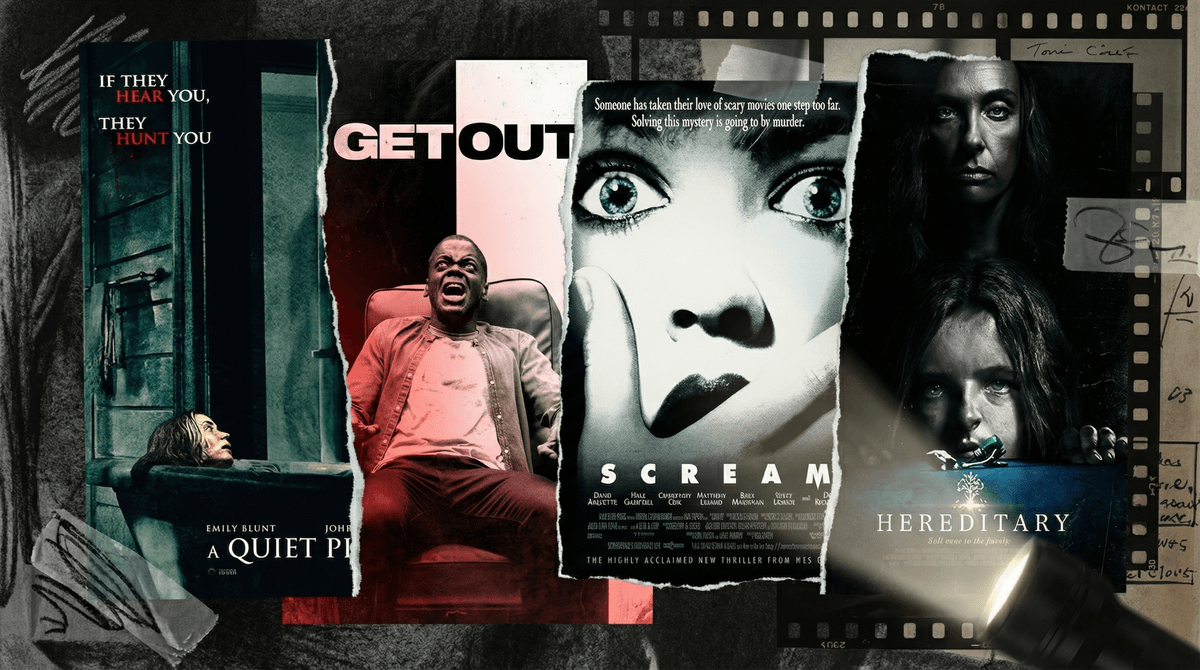
Most modern blockbusters are a relentless wall of sound. A Quiet Place is the opposite. It’s a masterclass in making you lean in, and for a generation of kids raised on the hyper-stimulating noise of YouTube and Marvel, that’s a revelation. By stripping away the dialogue, the movie forces the audience to actually watch faces and notice small environmental details. It’s a great pick for a kid who thinks they’ve seen everything, because it changes the "rules" of how a movie is supposed to work.
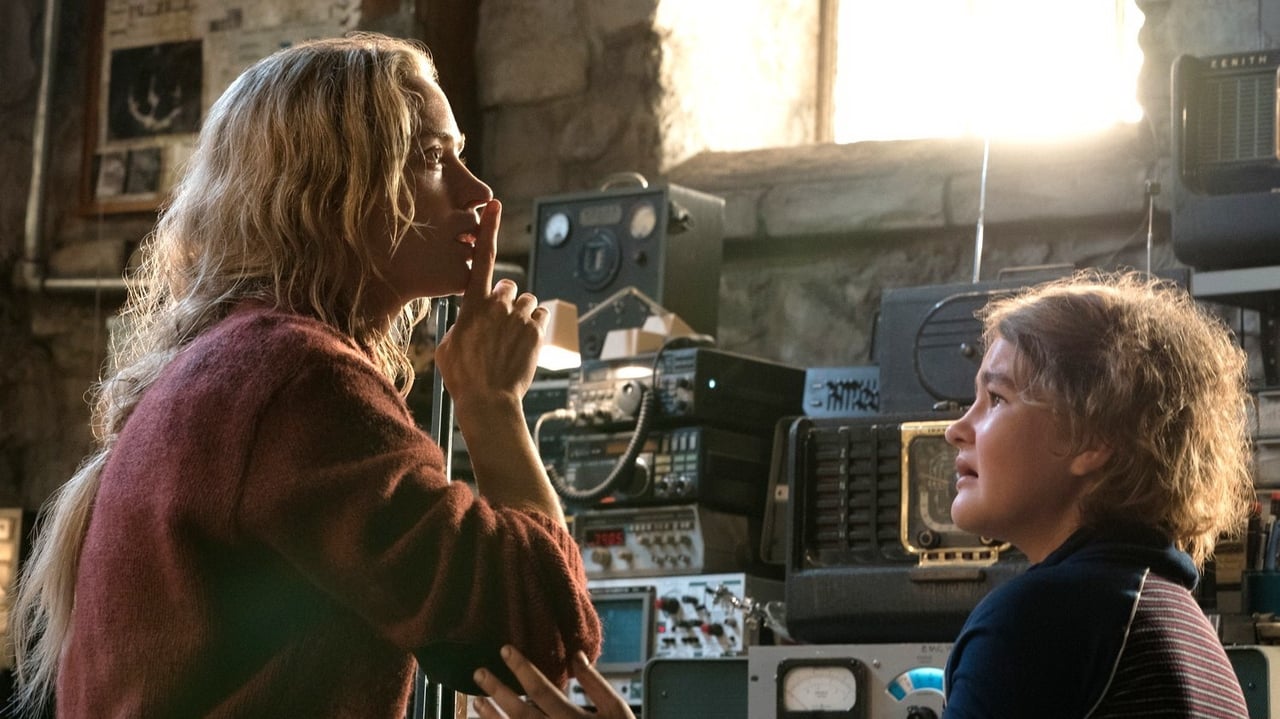
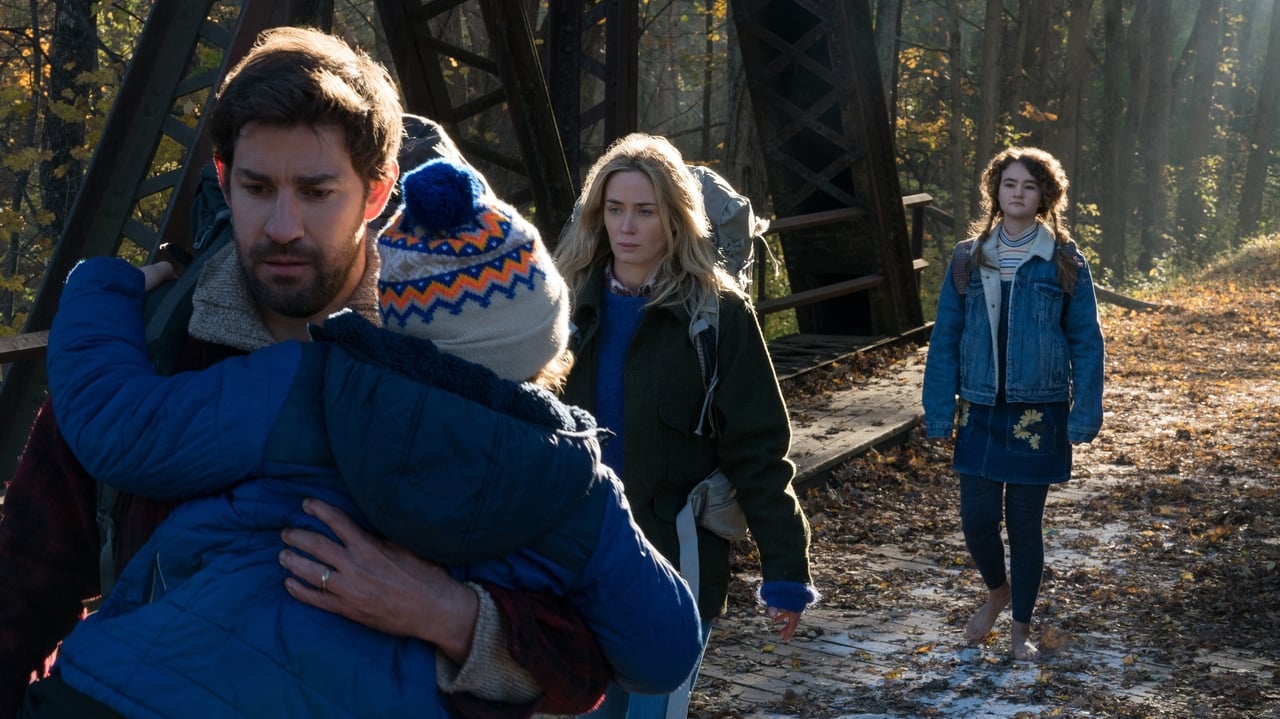
If you have a kid who is sensitive to loud environments or struggles with sensory processing, this movie might actually be a fascinating watch. It validates the idea that silence isn't just "nothing"—it’s a space where you can be incredibly capable. The way the family uses ASL and adapts their entire world for survival is one of the best examples of disability representation in a major thriller. You can find more stories that center these perspectives in our guide to books with deaf characters.
The "Gateway Horror" sweet spot
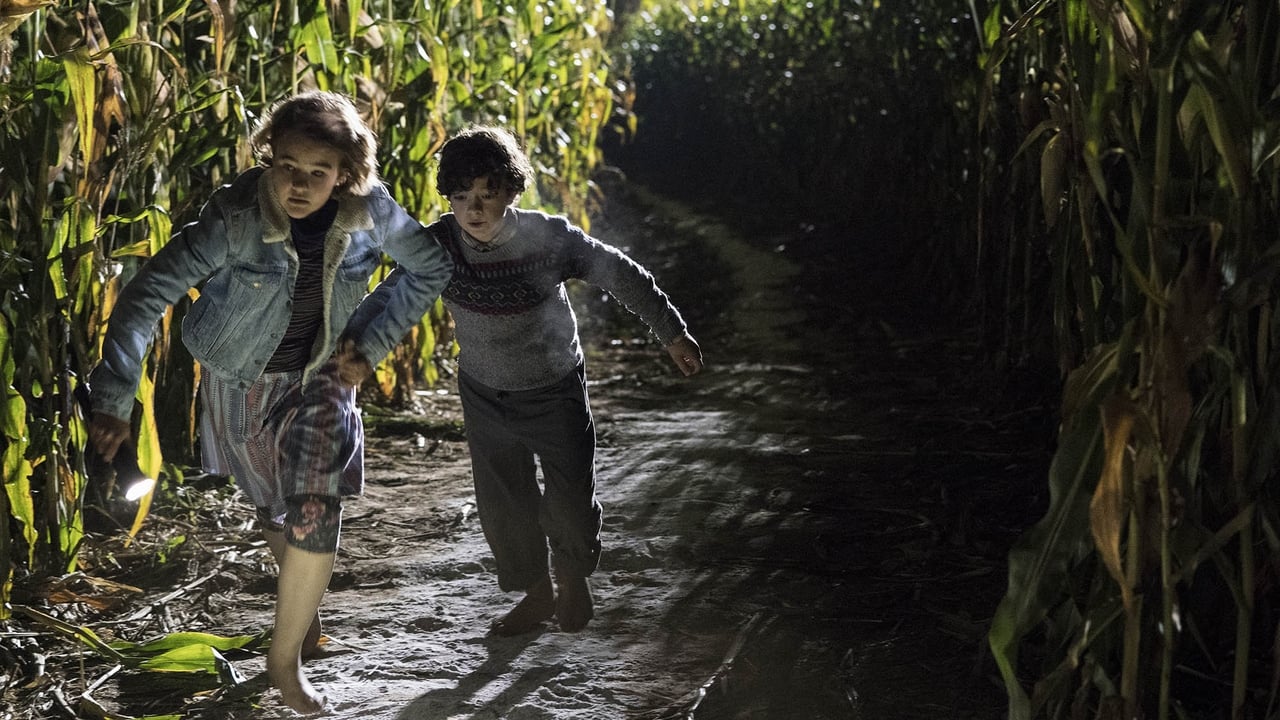
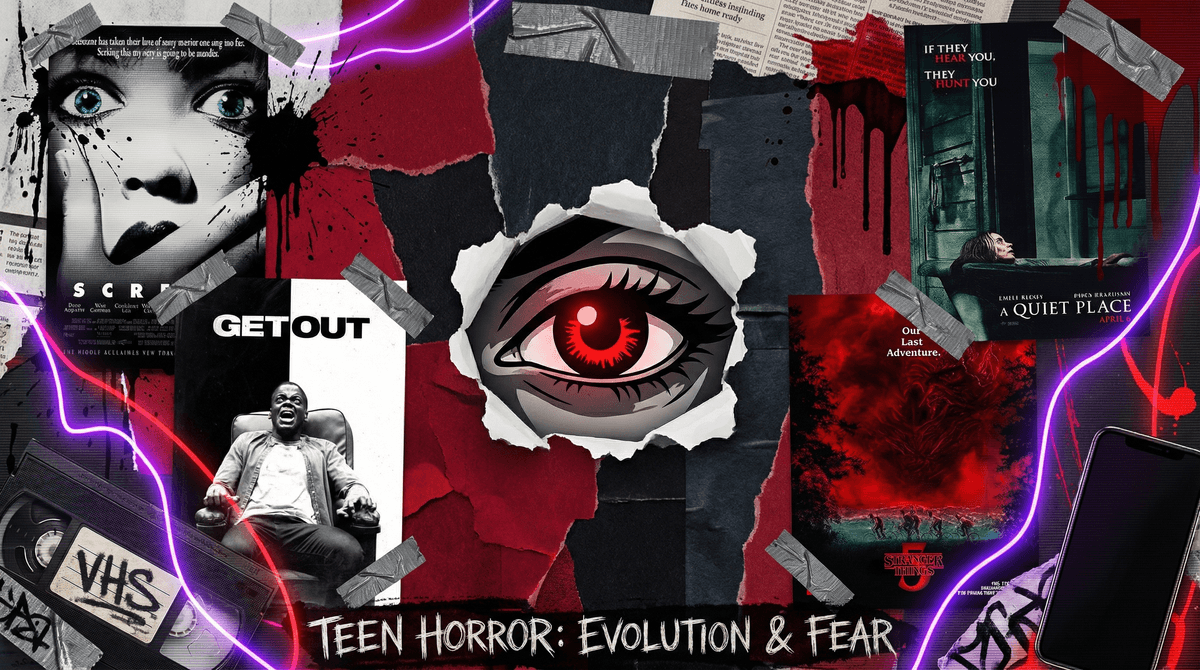
This is often the first "real" horror movie teens want to see after they finish Stranger Things. It occupies a specific niche: it’s significantly more intense than a "spooky" movie, but it lacks the nihilism or sexual violence often found in R-rated slashers. It’s a high-stakes survival story that happens to have monsters.
That said, the intensity is relentless. The filmmakers use silence to build a level of dread that can feel suffocating. If your teen is ready to move past jump scares and into something more psychological, this is one of the best horror movies for 13-year-olds and up. But if they are still struggling with the "mascot horror" of games like Five Nights at Freddy's, the visceral nature of the creatures here might be a bridge too far.
The Emily Blunt factor
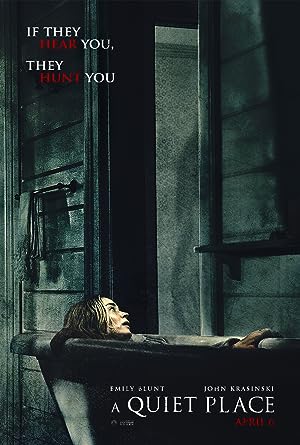
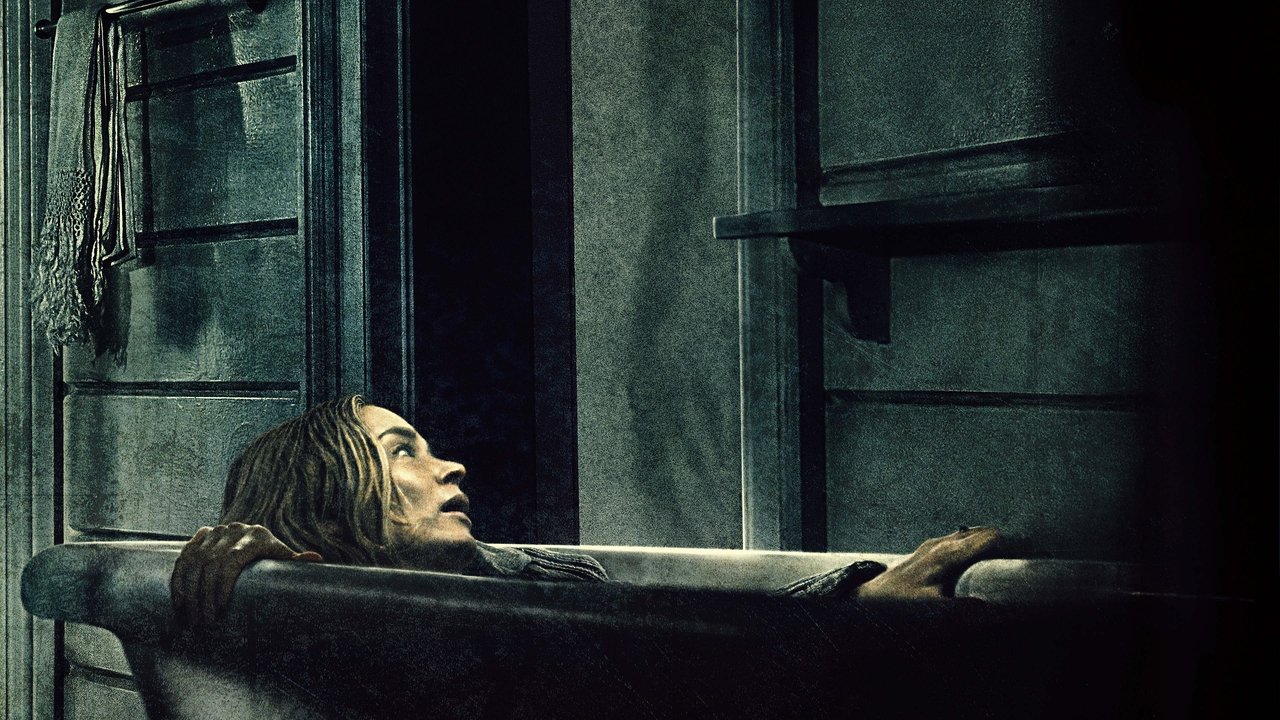
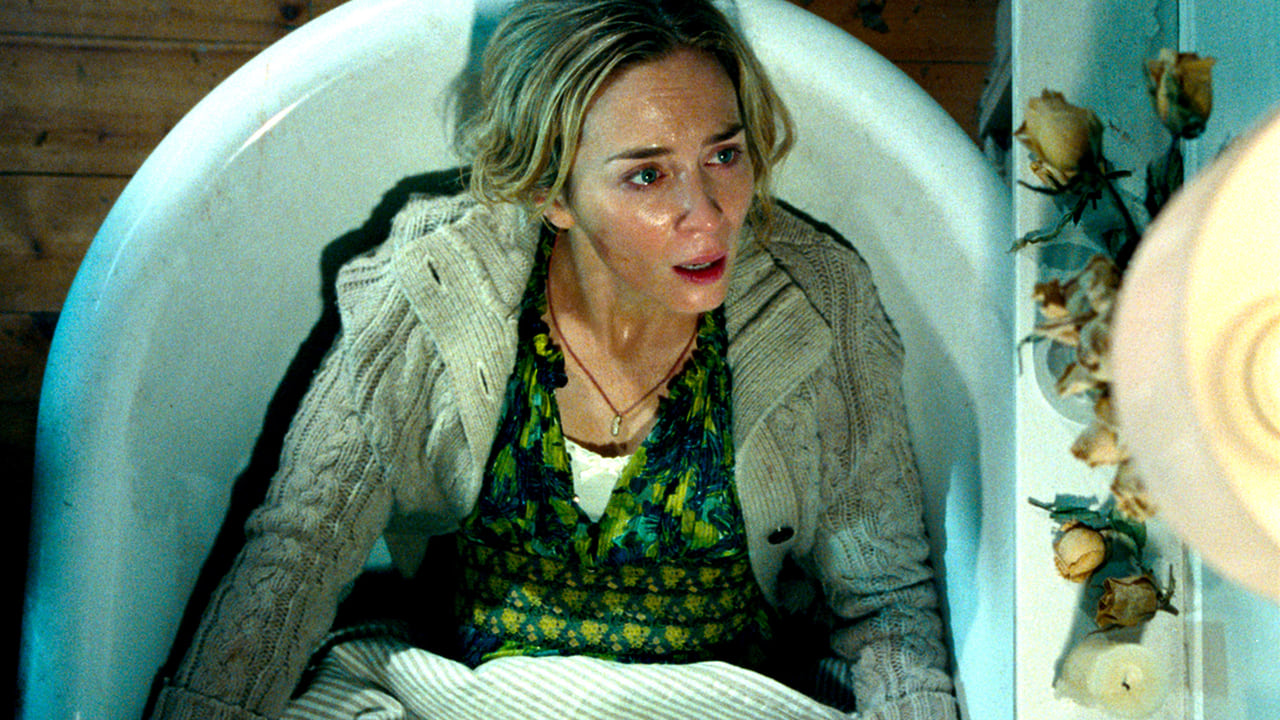
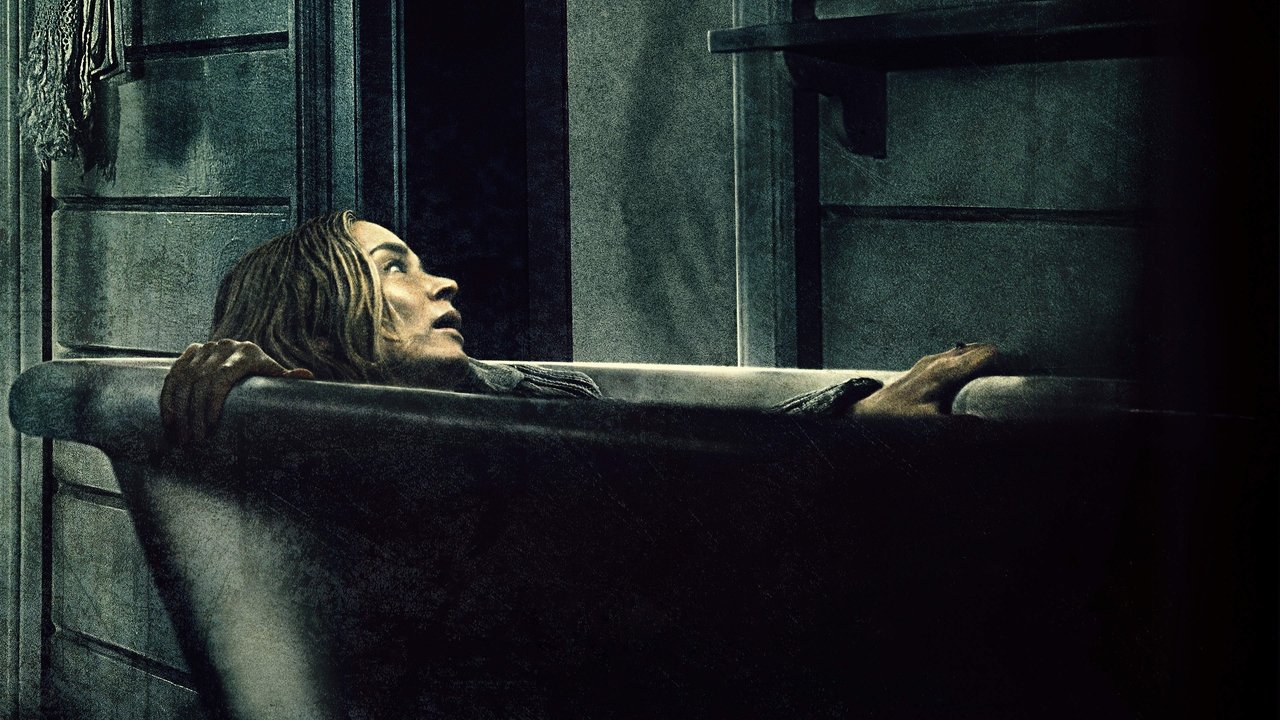
If your family knows Emily Blunt primarily from her more whimsical roles, this movie will be a shock. Her performance here is legendary, particularly a sequence involving a bathtub and a very poorly timed alien arrival. It’s a far cry from her work in musicals or adventures, and seeing her play a mother in such a high-stakes, protective role can be a great conversation starter about parental sacrifice. For a look at her broader career and where this fits, check out our Emily Blunt family movies guide.
Why the PG-13 rating is a bit of a trap
Don't let the PG-13 on the box fool you into thinking this is "Horror Lite." The opening scene—which we’ve already flagged for its heavy emotional toll—establishes that no one is safe. This movie treats its world with a level of seriousness that many teen-targeted films lack. It’s a reminder that the rating system often cares more about the number of curse words than the psychological weight of a scene. To get a better handle on how these labels are applied today, see our breakdown of what PG-13 actually means today.
If you’re watching this with a teen, be prepared for them to be stressed. The movie doesn't offer many "breather" moments. It’s a lean, mean 90 minutes of survival that earns its high critical scores by being genuinely exhausting.