

Sites About Appreciating Differences: Teaching Kids Empathy Online
Look, we're all trying to raise humans who don't suck. Kids who notice when someone's left out, who think it's cool that their friend celebrates different holidays, who don't freak out when they meet someone who looks or acts differently than they do. And while nothing replaces real-world experiences and actual conversations, there are some genuinely solid websites and apps that can support this work.
The internet gets a bad rap (often deserved), but it's also one of the few places where kids can encounter perspectives and experiences wildly different from their own bubble. The key is finding resources that do this thoughtfully, not just checking a diversity box.
These are websites, apps, and digital resources specifically designed to teach kids about diversity, inclusion, empathy, and kindness. They range from interactive story platforms to educational games to video series that explore different cultures, abilities, family structures, and identities.
The best ones don't treat differences as problems to solve or make kids feel like they're eating their vegetables. They present diversity as simply... reality. They show kids that there are lots of ways to be human, and that's actually pretty interesting.
Here's the thing: kids are naturally curious about differences. Toddlers point and ask loud questions in grocery stores. Elementary schoolers notice everything. Middle schoolers are trying to figure out where they fit in the social ecosystem.
The question isn't whether kids will encounter differences—it's what framework they'll use to process them. Will they see differences as threatening? Weird? Fascinating? Normal? The messages they absorb now (from us, from media, from their environment) shape those frameworks.
And in our current digital landscape, kids are encountering more perspectives than ever before—but often in chaotic, unmoderated spaces. A thoughtfully designed resource about appreciating differences can give them language, context, and a healthier lens before they stumble into the comment section of literally anything.
Also, for kids who themselves feel different—whether because of race, family structure, disability, or any other reason—seeing themselves reflected online matters. Like, really matters.
Ages 3-7:
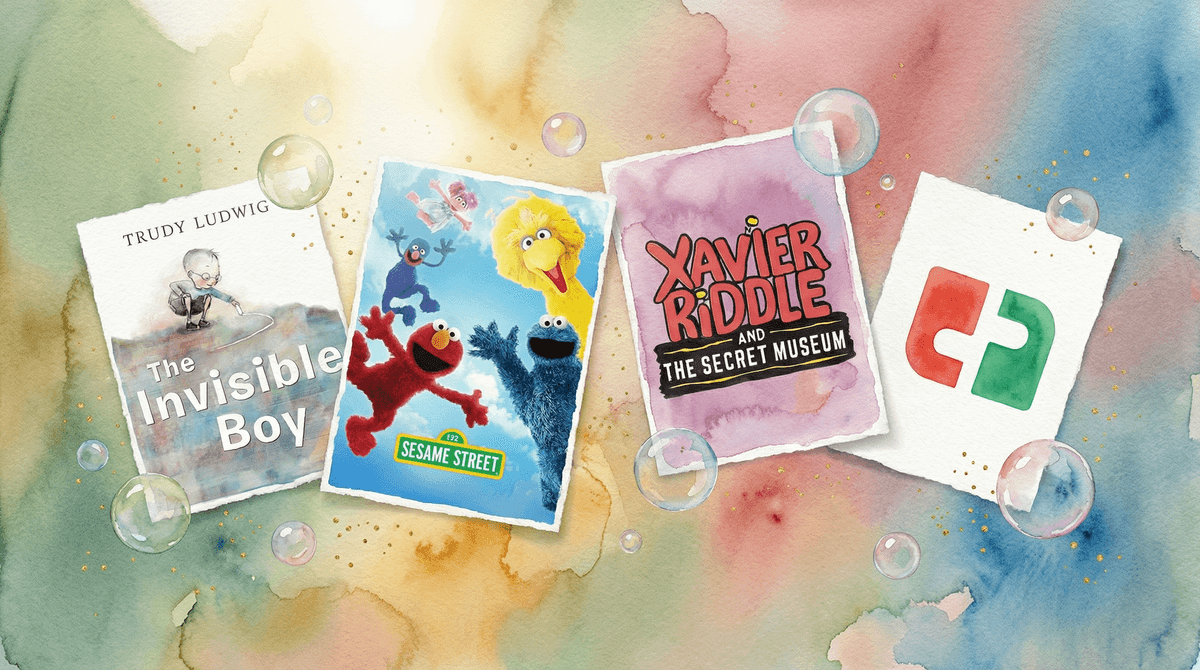
Sesame Street has been doing this work since 1969, and their website and app have solid content about inclusion, kindness, and celebrating differences. They've tackled everything from autism to incarceration to racial justice in age-appropriate ways.
PBS Kids has multiple shows focused on empathy and inclusion. Daniel Tiger's Neighborhood is basically a feelings curriculum in animated form, and Xavier Riddle and the Secret Museum introduces kids to historical figures from diverse backgrounds.
Ages 8-12:
Common Sense Media (yes, the ratings site) has a whole section of free digital citizenship curricula that includes lessons on empathy, identity, and online communities. It's designed for classrooms but works at home too.
Storyline Online features actors reading children's books aloud, many of which center on themes of kindness, diversity, and inclusion. The Invisible Boy and Each Kindness are particularly powerful.
BrainPOP has videos and quizzes on topics like empathy, bullying prevention, and cultural celebrations. It requires a subscription but many schools provide access.
Ages 13+:
The Trevor Project has resources not just for LGBTQ+ youth but for any teen trying to understand identity, acceptance, and allyship.
Facing History and Ourselves has digital resources exploring identity, prejudice, and historical context. Heavy topics, but thoughtfully presented.
TED-Ed has numerous short videos exploring culture, identity, and human diversity from a more academic angle that appeals to teens.
Green flags:
- Content created with input from the communities being represented
- Stories where diverse characters are just... characters (not educational props)
- Age-appropriate complexity (not talking to 6-year-olds about systemic oppression, but not dumbing things down for teens either)
- Interactive elements that encourage reflection, not just passive consumption
- Free or affordable access (equity matters)
Red flags:
- "Inspiration porn" that treats people with disabilities or from marginalized groups as objects of pity or amazement
- Tokenism (one Black character, one kid in a wheelchair, check, check, done)
- Content that feels like it's trying to convince kids that discrimination is bad through guilt rather than building genuine curiosity and empathy
- Anything that feels performative or preachy rather than authentic
Don't just drop your kid in front of a screen and call it character education. These work best as conversation starters.
Watch or explore together when possible, especially with younger kids. Pause and ask questions: "Why do you think she felt left out?" "Have you ever felt like that?" "What would you do?"
For older kids who roll their eyes at joint screen time, you can still check in: "I saw you were watching that thing about [topic]. What did you think?" Keep it casual.
Connect digital to real life. If your kid watches something about a cultural celebration, find a way to experience it IRL if possible. If they learn about a disability, talk about accessibility in your own community.
Be honest about your own learning curve. It's okay to say "I don't know much about that, let's find out together" or "I'm still learning about this too."
Real talk: no website will do the heavy lifting of raising an empathetic human. These resources are supplements, not substitutes.
Kids learn empathy primarily through:
- How you treat people who are different from you
- The diversity (or lack thereof) in their actual daily lives
- How you respond when they say something ignorant or unkind
- Whether your friend group, media consumption, and choices reflect the values you claim
If your kid's entire world is demographically homogeneous and you're hoping a website will fill that gap... it won't. But it can be part of a larger effort.
Most dedicated educational sites about diversity and inclusion are pretty safe, but:
Check comment sections. Even well-intentioned content can have toxic comments. Disable them for younger kids or watch together.
Preview content about heavy topics. Resources discussing racism, discrimination, or trauma might be more intense than you expect. Make sure you're ready to process it with your kid.
Be aware of your kid's own identity. A resource that's educational for one kid might be exhausting for another. A Black child doesn't need to watch videos about racism for "education"—they're living it. An LGBTQ+ teen might need affirming content, not 101 explainers.
The best sites about appreciating differences don't feel like medicine. They're interesting, engaging, and treat diversity as the default state of humanity—because it is.
Use them as tools in your larger toolkit. Pair them with diverse books, real-world experiences, honest conversations, and your own modeling. No single resource will create an empathetic kid, but thoughtful ones can support the work you're already doing.
And if you're looking for age-appropriate shows and movies that naturally incorporate diverse perspectives without making a big deal about it, check out this guide to inclusive media for kids.
Start small: Pick one resource that matches your kid's age and interests. Watch or explore it together. See what conversations emerge.
Follow their curiosity: If your kid asks about something they saw or learned, that's your opening. Don't shut it down because it feels uncomfortable.
Diversify your media diet: Look at what shows, games, books, and YouTube channels are already in rotation. Are there lots of different types of people and experiences represented? If not, time to expand.
Check your own feeds: Kids notice who you follow, what you share, who you talk about. Your digital life teaches them what (and who) you value.
And remember—you don't have to be perfect at this. None of us are. The goal is raising kids who are curious, kind, and capable of seeing beyond their own experience. These digital resources can help, but your real-life example matters most.