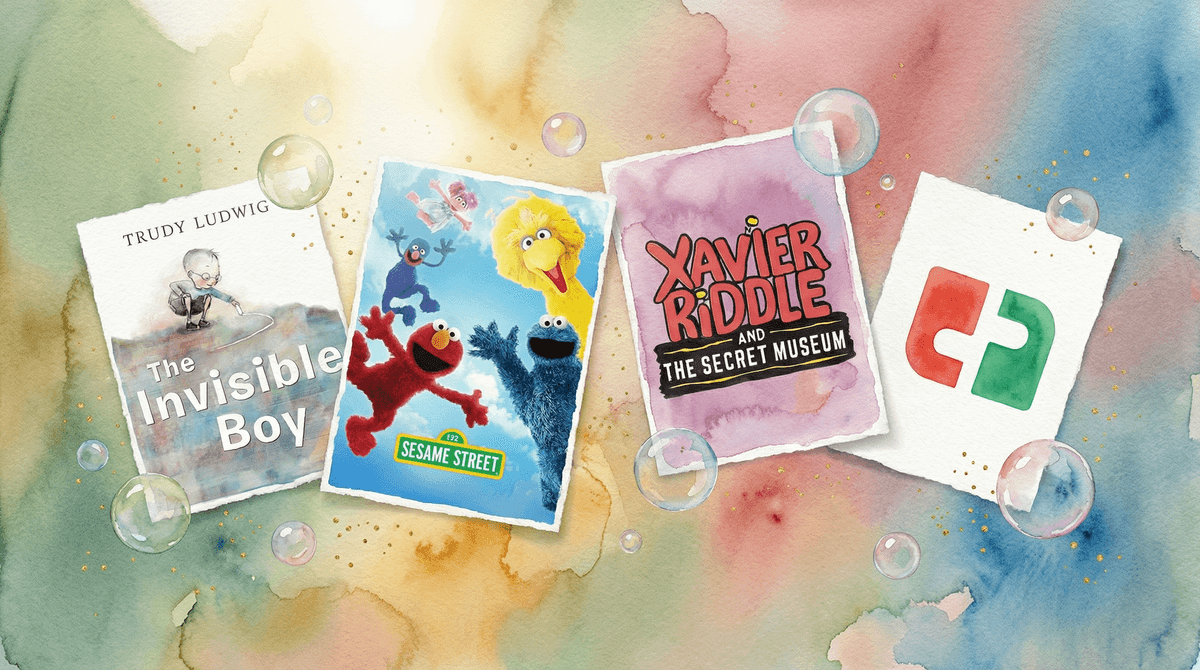
The Invisible Boy

The Invisible Boy

book

2013, Children's Books, Growing Up & Facts of Life

WISE
86%

WISE Score

4.8

Amazon

A picture book that nails the ache of being overlooked and the power of one kid who bothers to notice.

Amazon4.8
Common Sense Media

Where to Read

Our reviews and ratings are 100% unbiased, but as an Amazon Associate, Screenwise earns an affiliate fee if you buy a book or game by clicking one of our links. We don't get any credit if you just Google it instead :)

Screenwise Verdict

This is one of those picture books that does exactly what it sets out to do. It's not trying to be a wild adventure or a laugh-out-loud comedy—it's here to help kids understand what exclusion feels like and what inclusion looks like in practice.

The story is simple but emotionally honest. Brian isn't bullied in an overt way; he's just... not seen. No one's mean, they're just thoughtless. That's actually more common and harder to address than cartoon villainy. When Justin arrives and Brian makes the first move to welcome him, it creates a friendship that helps Brian find his voice. The visual shift from grayscale to color is genuinely effective.

The 4.8 Amazon rating and consistent positive reviews from educators and parents suggest this lands well. It's become a classroom staple for good reason. That said, it's a tool more than entertainment—you'll read it a few times, have some good talks, and then it'll sit on the shelf as a reference when these situations come up in real life.

Not every book needs to be a page-turner. This one's a conversation starter that actually works.
Age Fit

Perfect for ages 4-9, especially kindergarten through third grade when social hierarchies are forming and kids are figuring out friendship dynamics. Older elementary kids might find it a bit young unless they're specifically working through these issues.

WISE Breakdown
Wholesome
92

A gentle, empathetic story that models kindness and inclusion without being preachy. Brian's experience of feeling invisible is handled with emotional honesty—it hurts, but the resolution shows how small acts of welcoming can transform a child's experience. No manufactured drama, just real social dynamics that kids recognize.

Imaginative
68

The 'invisible' metaphor is clever and visually executed through grayscale illustrations that turn colorful when Brian feels included. It's a creative way to show emotional states. However, the story itself is fairly straightforward and doesn't invite much creative play or exploration beyond the core message. It's more about emotional insight than imaginative adventure.

Safe
98

Completely safe for young readers. Addresses social exclusion in a way that validates difficult feelings without being traumatic. No scary content, no surprise elements. The discussion guide suggests this is designed for classroom and home use with adult facilitation, which is ideal.

Enriching
88

This is a social-emotional learning powerhouse. It teaches empathy, perspective-taking, and concrete ways to include others. The story works on multiple levels—kids who feel invisible see themselves, kids who might be excluding others get a gentle wake-up call. Includes discussion guide and resources. Trudy Ludwig is a respected voice in this space. It's genuinely useful for building emotional intelligence.

Parent Info
✓

Why It Might Be Great

  • Validates the real pain of social exclusion without being heavy-handed—kids who've felt invisible will feel seen
  • Shows concrete, kid-sized actions for inclusion (not vague 'be nice' platitudes)
  • The visual metaphor of grayscale-to-color is smart and helps younger kids grasp abstract feelings
  • Comes with a discussion guide, making it easy to turn reading time into actual conversation about classroom dynamics
  • Trudy Ludwig knows this territory—she's a respected author and speaker on bullying and social dynamics
⚠

What to Watch For

  • Kids who are currently struggling with exclusion might find this validating or might find it painful—know your kid
  • The message is gentle, which is great, but some kids might need follow-up conversations about what to do when kindness doesn't immediately fix things
  • This is very much a 'teachable moment' book—it works best when adults stick around to talk about it, not just as a solo read

Conversation Starters

  • "Have you ever felt invisible like Brian? What was that like?"
  • "What did Justin do that made Brian feel noticed? Could you do something like that?"
  • "Are there kids in your class who might feel invisible? How could you tell?"
  • "Why do you think Brian's teacher and classmates didn't notice him at first?"
  • "What's one small thing you could do tomorrow to help someone feel included?"

Ask Anything

Get a personalized guide on any topic

Related Guides