

TL;DR
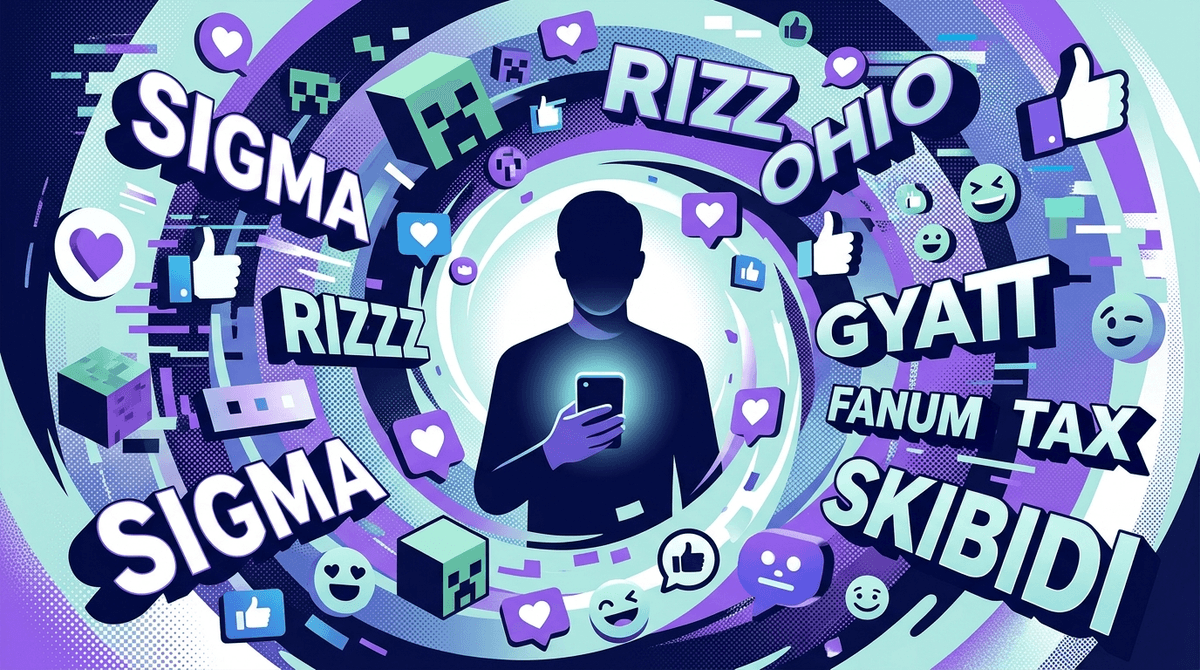
Online trends in 2026 move at light speed. "Brain Rot" refers to hyper-fast, nonsensical content like Skibidi Toilet that dominates YouTube Shorts and TikTok. Most slang (Sigma, Ohio, Rizz) is harmless social currency, but the "Alpha" pipeline can lead to toxic rabbit holes.
- Top "Anti-Brain Rot" Pick: The Wild Robot by Peter Brown
- Best Strategy: Don't ban the slang; understand the context.
- Safety Check: How to handle viral challenges
If you’ve recently heard your ten-year-old describe a mediocre sandwich as "so Ohio" or call themselves a "Sigma" while doing a weird brooding face, congratulations: you are parenting through the Brain Rot Era.
It’s easy to feel like you’re losing the plot. We grew up with Oregon Trail and maybe some questionable chat rooms, but the sheer velocity of Gen Alpha digital culture is something else entirely. Between the surrealism of Skibidi Toilet and the gambling-adjacent mechanics of Roblox, it feels like our kids' brains are being rewired in real-time by an algorithm that doesn't care about their development.
Here’s the field guide to what’s actually happening, what’s harmless, and what deserves a "we need to talk" dinner conversation.
"Brain rot" is the self-aware term kids use for low-effort, high-stimulation, nonsensical content. It’s the digital equivalent of eating a bag of Sour Patch Kids for breakfast. It’s colorful, it’s loud, it’s fast, and it leaves you feeling kind of gross afterward.
The king of brain rot is Skibidi Toilet. If you haven't seen it, it’s a series of YouTube videos featuring heads popping out of toilets singing a mashup of "Give It To Me" and "Dom Dom Yes Yes."
The Screenwise Take: Honestly? Skibidi Toilet is just the Ren & Stimpy of 2025. It’s weird, it’s gross, and it’s deeply annoying to adults, but it’s not inherently "evil." The real issue isn't the toilets—it's the algorithm. Once a kid watches one video, YouTube feeds them 500 more, often leading to "content farms" that steal the characters to push much weirder, unregulated, or violent themes.
Slang is how kids signal they belong. In 2026, that dictionary is heavily influenced by Twitch streamers and TikTok creators.
- Sigma: Originally meant a "lone wolf," but now it just means "cool" or "stoic." The Red Flag: If your kid starts using "Sigma" in the context of "Alpha male" content (think Andrew Tate), that’s a problem. If they’re just saying it when they win a game of Fortnite, it’s fine.
- Ohio: Used to describe something weird, cringey, or low-quality. (Sorry, Ohioans, the internet decided your state is a glitch in the matrix).
- Rizz: Short for "charisma." Usually refers to flirting skills.
- Fanum Tax: Stealing a bit of someone’s food. (Named after a streamer).
- Mewing: A tongue exercise meant to define the jawline, often used as a silent way to say "I'm too cool to talk to you right now."
Roblox is the sun that Gen Alpha orbits. We often hear it’s great because kids can "learn to code" or "start a business."
The No-BS Reality: Most kids aren't learning to code on Roblox. They are being marketed to by multi-million dollar "experiences" designed to extract Robux . Games like Adopt Me! use the same psychological tricks as slot machines—daily login bonuses, "limited time" pets, and social pressure to have the coolest gear.
If your kid is actually using the Roblox Studio to build things, that’s awesome. If they are just begging for your credit card to buy a digital hat, they aren't an entrepreneur; they're a customer in a very predatory ecosystem.
The "challenge" culture hasn't died; it’s just evolved.
The Harmless Stuff
Most dance challenges on TikTok or "bottle flips" are just 2026’s version of jumping rope. They provide a sense of community and a way to participate in a global trend.
The Real Risks
The dangerous trends usually fall into three categories:
- The "Blackout" Variety: Anything involving holding your breath or choking. This is an immediate, hard "no."
- Property Damage/Theft: Trends like the "Kia Boys" or "Devious Licks" (stealing school property) have real-world legal consequences.
- Physical Dares: Anything involving fire, electricity, or ingesting non-food items (like the infamous Tide Pods of yesteryear).
How to talk about it: Don't just say "that's stupid." Ask: "What happens if that goes wrong?" or "Why do you think the person who filmed that didn't show the part where they got hurt?"
Ask our chatbot about the latest viral challenges to watch out for
If you want to steer your kids toward content that has a bit more soul (and a lot less toilet), here are some Screenwise-approved picks for 2026.
Ages 8-12 If you want to pull them away from the screen, this is the book. It’s about a robot stranded on an island who has to learn to survive by befriending animals. It’s poignant, beautifully illustrated, and deals with themes of technology vs. nature in a way that actually sticks.
Ages 12+ Instead of the mindless loop of some mobile games, Hades offers incredible storytelling, Greek mythology, and a "roguelike" structure that teaches persistence. It’s fast-paced enough to satisfy the "brain rot" urge but with actual substance.
Ages 6-12 Perfect for car rides. It’s a science podcast for kids that answers the weird questions they actually have. It’s high-energy without being manic.
Ages 4-8 If you need 15 minutes of "babysitting" time, this is a much better alternative to a random YouTube channel. Famous actors read children's books with slight animations. It’s calming, educational, and high-quality.
- Grades K-2: Keep them off YouTube entirely if you can. Stick to PBS Kids or Disney+. At this age, "brain rot" is literally just overstimulation they can’t process.
- Grades 3-5: This is when the slang starts. Use it as a bridge. Ask them to explain what "Skibidi" means. They’ll love being the expert, and you’ll get a window into what they’re watching.
- Grades 6-8: The "Sigma" era. This is the time to talk about digital literacy and how algorithms try to radicalize or monetize them.
You don't need to ban the word "Rizz" or smash the iPad because of a singing toilet. The goal isn't to live in a tech-free bubble—it's to raise kids who can tell the difference between a "brain rot" snack and a "high-WISE" meal.
Trends will change by next month. The "Ohio" meme will die, and something even weirder will take its place. Your job isn't to keep up with every single meme; it's to be the steady voice that helps them navigate the noise.
Next Steps:
- Check the Screenwise WISE scores for the apps your kids are asking for.
- Set a "No Shorts/Reels" rule for weekdays to minimize the high-dopamine scrolling.
- Have a "Slang Saturday" where you use their words (incorrectly) until they beg you to stop. It’s great for the soul.
Take the Screenwise survey to see how your family's habits compare to your community