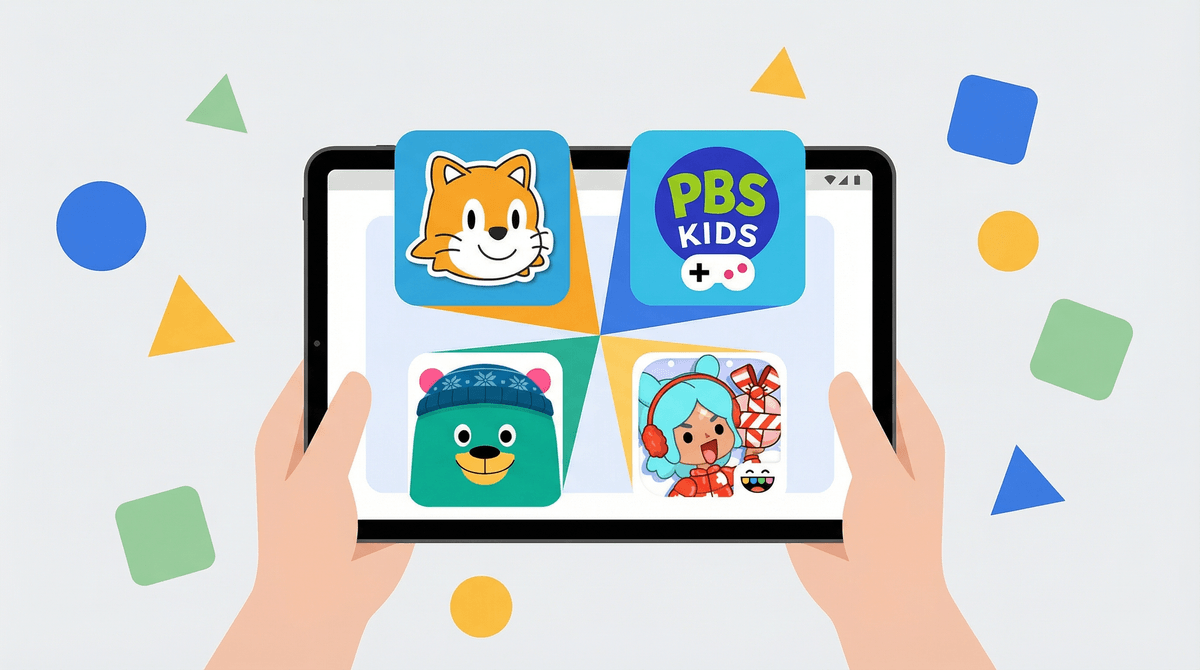
This is the app you can hand to your preschooler without guilt. PBS Kids Games is what every kids' app should be but almost none are: genuinely educational, completely safe, ad-free, and designed by people who actually understand child development.
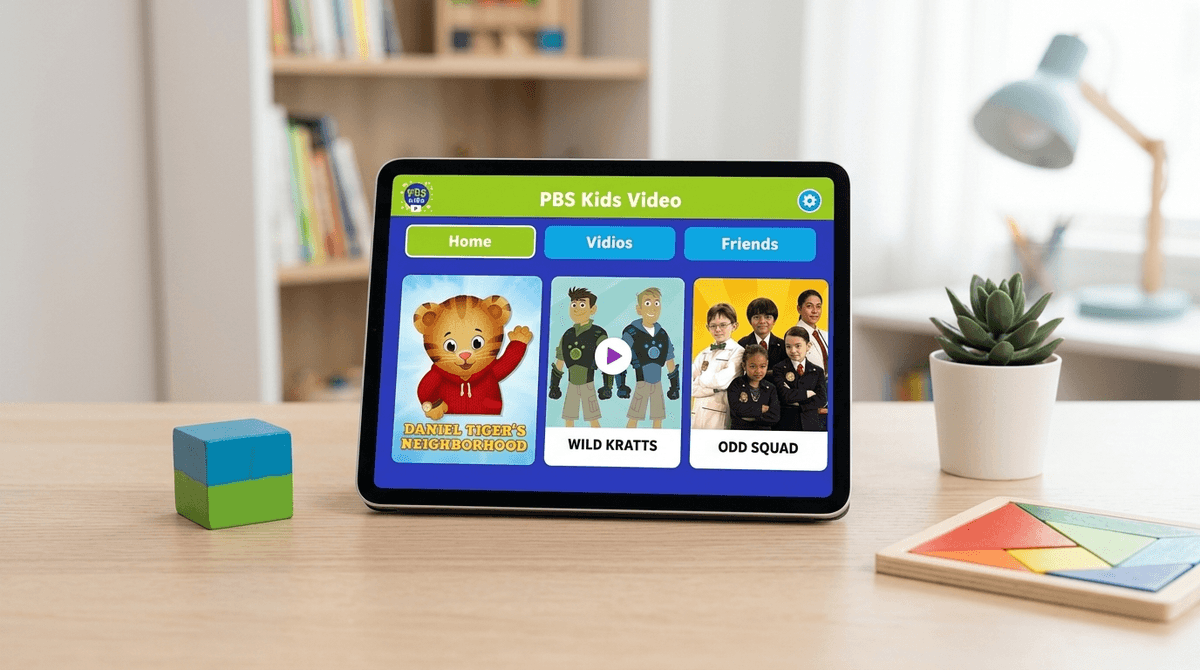
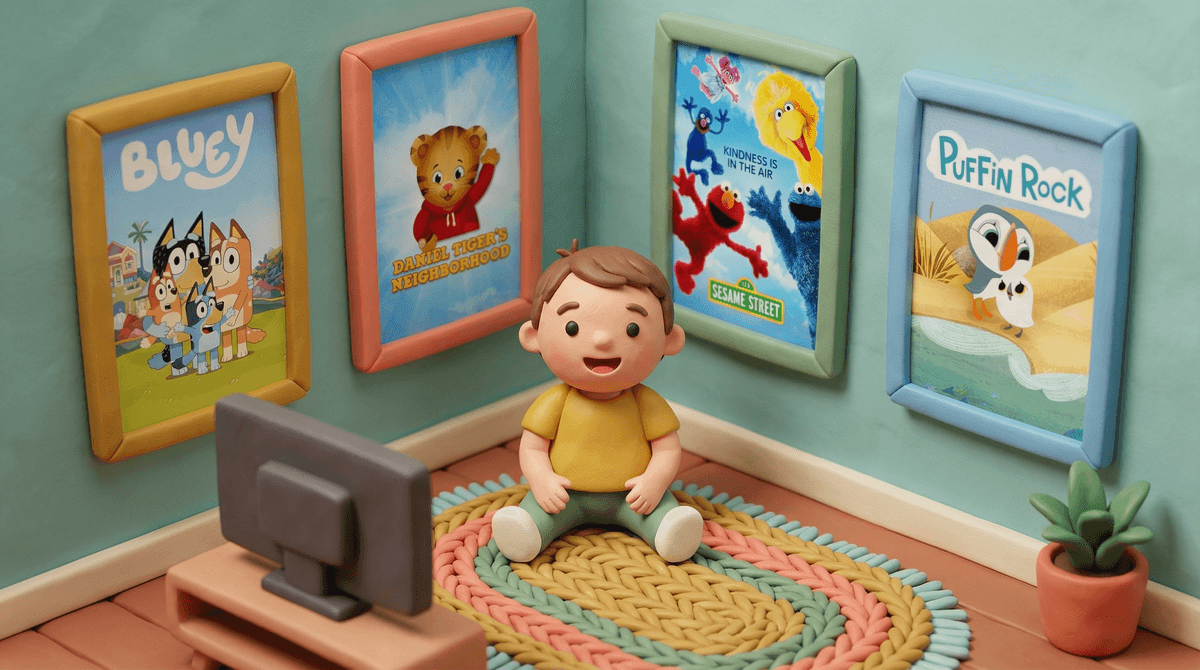
The 250+ games aren't just digital candy—they're curriculum-based activities that teach math, reading, science, and social-emotional skills through characters kids already love. No predatory monetization, no chat features, no surprise content. Just Daniel Tiger teaching feelings, Wild Kratts exploring animals, and Alma solving problems.
The offline download feature is clutch for travel, and the bilingual support is a nice bonus. Yes, it's still screen time, and yes, balance matters. But if your kid is going to use an app, this is the one to choose. PBS continues to be the MVP of children's media.