

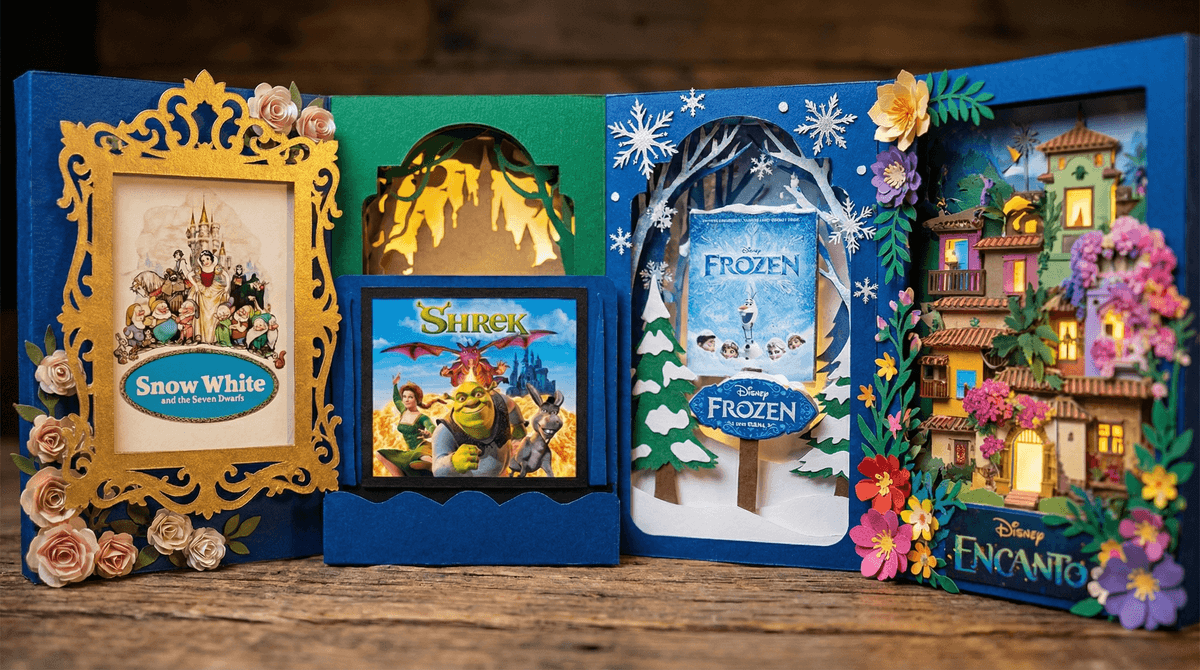
Fairy tale movies are film adaptations of classic folk stories and modern retellings that have been passed down through generations—think Cinderella, Snow White, Beauty and the Beast, and Little Red Riding Hood. They range from Disney's animated classics to live-action remakes, from Shrek's satirical takes to Netflix's diverse modern interpretations. These films are everywhere in kids' media, from the original Snow White (1937) to Encanto (2021) and beyond.
Here's the thing: fairy tale movies aren't just entertainment. They're often a child's first introduction to storytelling structure, moral lessons, and cultural values. And whether we like it or not, they're shaping how kids think about gender roles, beauty standards, conflict resolution, and what "happily ever after" actually means.
There's a reason fairy tales have survived for centuries—they tap into universal human experiences through fantasy and metaphor. Kids love them because they're predictable in the best way: there's usually a clear hero, a problem to solve, some magic, and a satisfying resolution. The repetition and structure actually help young brains process complex emotions like fear, jealousy, and hope in a safe context.
For parents, fairy tale movies feel like a safe bet. They're often rated G or PG, they're culturally familiar, and honestly? They buy you 90 minutes of peace. Plus, many of us grew up on these stories, so there's nostalgia at play.
But here's where it gets interesting: not all fairy tale movies are created equal, and the ones made in 1950 hit very differently than the ones made in 2020.
Let's be real: classic Disney princess movies have some... issues. Sleeping Beauty is kissed while unconscious. The Little Mermaid gives up her voice for a guy she just met. Cinderella needs a prince to escape her circumstances. These aren't just outdated—they're actively teaching kids some questionable lessons about agency, consent, and self-worth.
The good news? Modern fairy tale movies are doing better. Frozen subverted the "true love's kiss" trope with sisterly love. Moana has zero love interest and is all about self-discovery and cultural identity. Raya and the Last Dragon centers trust and community over individual heroism.
But—and this is important—just because a movie is newer doesn't automatically make it better. And just because a movie is old doesn't mean you should ban it. The key is context and conversation.
Ages 3-6: At this age, kids are taking things pretty literally. They're not picking up on subtext or irony. This is when Encanto shines—it's about family dynamics and finding your place, with gorgeous visuals and catchy songs. Tangled works well too—Rapunzel is curious, resourceful, and doesn't wait around to be saved.
Watch out for scary moments though. The witch in Snow White genuinely terrifies some kids. The transformation scene in Beauty and the Beast can be intense. Know your kid's tolerance for tension.
Ages 7-10: This is prime fairy tale age. Kids can handle more complex plots and are starting to think critically about what they watch. This is a great time to introduce Shrek, which playfully deconstructs fairy tale tropes (though heads up—there's some bathroom humor and mild innuendo that goes over younger kids' heads but lands with this age group).
The Princess Bride is also gold for this age—it's funny, adventurous, and has actual character development. Ella Enchanted tackles obedience and agency in ways that spark great conversations.
Ages 11+: Tweens and teens can handle—and benefit from—more subversive takes. Into the Woods explores what happens after "happily ever after" (though note: it deals with infidelity and death). Maleficent reframes the villain's story and questions who gets to write history.
This is also when you can watch older movies together and actually discuss what's problematic. "Why do you think Snow White trusted that apple?" becomes "What does this movie suggest about women's roles?" These analytical skills are crucial.
Consent and agency: Does the protagonist make their own choices, or do things just happen to them? Is physical affection given freely or assumed? Sleeping Beauty's kiss-while-unconscious is a problem. Frozen's "you can't marry a man you just met" is progress.
Beauty standards: Is the hero/heroine's worth tied to their appearance? Are villains coded as ugly or fat? Are all the princesses thin, young, and conventionally attractive? Encanto does better here with diverse body types and ages.
Gender roles: Who solves problems—men or women? Who needs rescuing? Who gets to be funny, smart, or brave? Compare Snow White (1937) to Moana (2016) and the difference is stark.
Representation: Whose stories are being told? For decades, fairy tale movies centered white, European narratives. Recent films like Raya and the Last Dragon, Encanto, and The Princess and the Frog are expanding this, though we still have a long way to go.
Violence and fear: Fairy tales have always been dark—the original Grimm versions are legitimately disturbing. But film adaptations vary wildly in how they handle scary content. Coraline is technically a fairy tale and also nightmare fuel for many kids under 10.
The magic happens in the conversation after the credits roll. Here are some starter questions that work across ages:
- "What did you think of [character]'s choice to [plot point]?"
- "If you were in that situation, what would you do differently?"
- "Why do you think the [villain] acted that way?"
- "What do you think the movie is trying to teach us?"
- "Did anything bother you or seem unfair?"
For older kids, you can go deeper:
- "When was this made? How do you think that influenced the story?"
- "Whose perspective are we seeing? Whose story isn't being told?"
- "What would this story look like if [character] was the main character instead?"
Don't lecture. Ask genuine questions and listen to their answers. Kids pick up on WAY more than we think, and they often have sophisticated critiques if we give them space to share.
Fairy tale movies aren't inherently good or bad—they're tools. A 1950s Disney princess movie can be a great jumping-off point for discussing how society's expectations have changed (or haven't). A modern retelling can show kids that stories can be reimagined and that there's no single "right" version.
The goal isn't to shield kids from every problematic message or only show them perfectly progressive content. The goal is to build their critical thinking skills so they can watch, enjoy, question, and form their own opinions.
Let them love Frozen. Let them dress up as Elsa for the 47th day in a row. And also ask them why Anna's entire arc in the first movie revolves around men, and why that changes in the sequel. Both things can be true.
Looking for specific recommendations? Check out our guides for best movies for 5-year-olds, princess movies ranked by values, or alternatives to Disney princess movies.
Want to dig deeper into representation? Learn more about how media shapes kids' understanding of gender roles or explore why diverse storytelling matters.
Planning a family movie night? Use these films as conversation starters, not just entertainment. The real value isn't in the 90 minutes of screen time—it's in the thinking that happens after.