

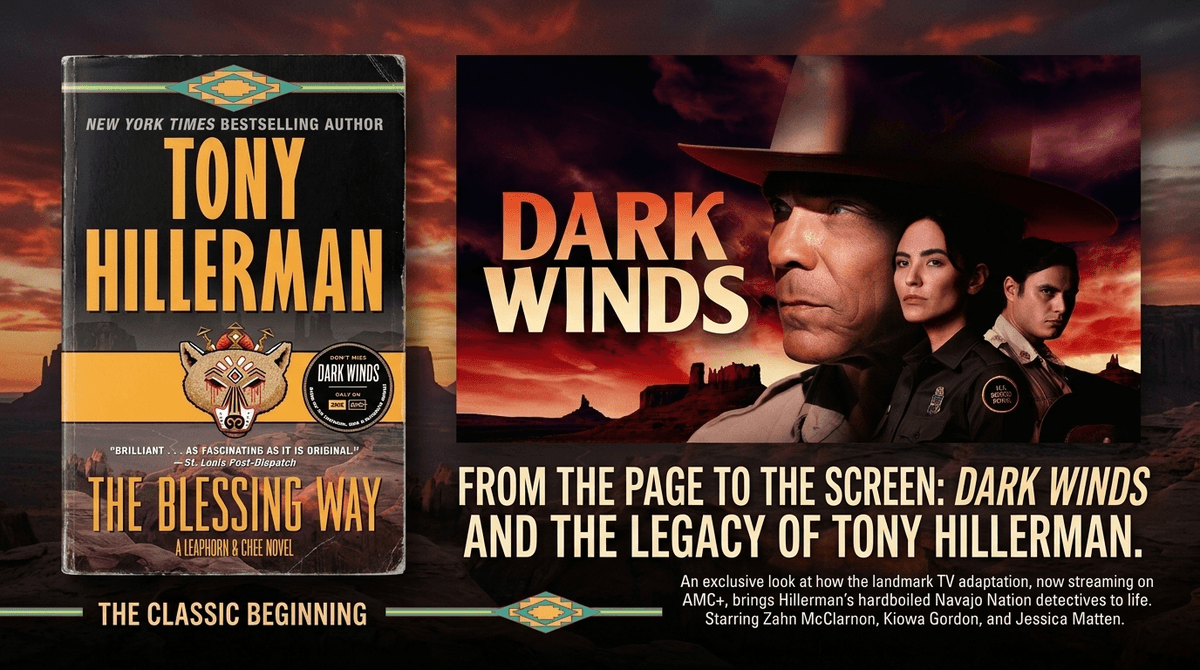
TL;DR: Dark Winds Season 4 is officially here, and it’s leaning harder into its "noir" roots than ever before. With Joe Leaphorn and Jim Chee heading to 1970s Los Angeles, the stakes are higher, the pavement is grittier, and the content is firmly in the TV-MA territory. This isn't a "family movie night" pick for the elementary crowd. It’s a sophisticated, violent, and culturally rich crime drama best suited for older teens (16+) and parents who appreciate a slow-burn mystery that doesn't treat its audience like they have the attention span of a TikTok scroller.
Ask our chatbot if Dark Winds is appropriate for your teen
If you’ve been following the series on AMC+, you know the drill: Dark Winds is based on the iconic "Leaphorn & Chee" book series by Tony Hillerman. While the first three seasons were deeply rooted in the vast, open landscapes of the Navajo Nation in the early 1970s, Season 4 takes a sharp turn into the "urban jungle" of Los Angeles.
The season follows Lieutenant Joe Leaphorn and PI Jim Chee as they track a case that leads them away from the Rez and into the smog-filled, neon-lit streets of 1976 LA. It’s a fish-out-of-water story, but with much higher stakes. We’re talking about systemic corruption, the American Indian Movement (AIM) politics of the era, and the clash between traditional Navajo values and the chaotic "Me Decade" culture of California.
We spend a lot of time worrying about "brain rot" content—those mindless YouTube loops or repetitive mobile games that seem to turn kids into zombies. Dark Winds is the exact opposite of that. It’s "prestige TV" that actually earns the title.
For parents of older teens, this show offers a rare bridge. It’s a way to talk about:
- Indigenous Representation: Unlike the Westerns of old, this show is produced, directed, and acted largely by Indigenous people. It’s a masterclass in how to tell a story about Native identity without falling into tired tropes.
- Historical Context: The 1970s setting isn't just for the cool aesthetic (though the wide-collar shirts are a vibe). It deals with the real-world tensions of the era, including the Indian Relocation Act's long-term effects on families in cities like LA.
- The Noir Genre: If your kid is into "dark and moody," this is a great entry point into classic hardboiled detective storytelling.
Let’s get into the "No-BS" part of the guide. Dark Winds has always been intense, but Season 4 feels heavier. Moving the setting to Los Angeles introduces a level of urban grit—drugs, organized crime, and systemic police brutality—that feels more "street-level" than the previous seasons.
Violence: High
This is the main hurdle for most parents. You’re going to see:
- Graphic crime scenes (blood, bodies, forensic details).
- Period-accurate but brutal fight choreography.
- Gun violence that feels sudden and consequential, not "cartoonish" like in Fortnite.
- Themes of kidnapping and physical intimidation.
Language: Moderate to High
Expect a steady stream of "TV-MA" language. It’s not Succession levels of F-bombs, but it’s realistic for a 1970s police procedural. It feels organic to the characters, but if your household has a strict "no swearing" policy, this will definitely cross the line.
Substance Use: Moderate
Given the 1976 LA setting, there is a fair amount of smoking (it was the 70s, everyone smoked everywhere) and social drinking. There are also plot points involving the drug trade, though the show doesn't glamorize it.
Mature Themes: High
This is where the show really sits in the "adult" category. It deals with:
- Generational trauma and the forced assimilation of Native people.
- The spiritual vs. the secular (Navajo witchcraft/tradition vs. modern skepticism).
- Corrupt power structures.
Learn more about navigating mature themes in media with your teen
Ages 0-12: Hard No. There is zero reason for a middle schooler to be watching this. It’s too slow for them to enjoy, too violent for them to process without context, and the thematic weight will go right over their heads. If they want a mystery, stick to something like Enola Holmes or even the newer Nancy Drew series.
Ages 13-15: Parental Discretion (Leaning toward No). If you have a very mature 14-year-old who is a history buff or deeply interested in Indigenous culture, you could watch this together. But be prepared to hit pause and talk through some of the more intense scenes. Honestly, most 14-year-olds would find the pacing a bit slow anyway.
Ages 16+: Green Light (with conversation). For juniors and seniors in high school, Dark Winds is excellent. It’s the kind of show that respects their intelligence. If they liked Killers of the Flower Moon or Reservation Dogs, this is the logical next step.
If your teen (or you!) is hooked on the vibe of Dark Winds, here are some "Screenwise-approved" recommendations that offer similar depth without the "brain rot" factor:
-
While it’s a comedy-drama, it’s the gold standard for modern Indigenous storytelling. It’s funny, heartbreaking, and incredibly real. (Ages 15+)
Reservation Dogs (Hulu)
-
A bit more of a traditional "Western procedural," but it shares that same DNA of a sheriff navigating the tension between the Rez and the surrounding county. (Ages 14+)
Longmire (Netflix)
- If they are 17+ and want the ultimate "noir" experience, True Detective is the peak. Season 4 (Night Country) also features heavy Indigenous themes and a snowy, atmospheric setting.
- Okay, stay with me—if you have younger kids who want a story about "nature vs. technology" or "finding where you belong" (themes present in Dark Winds), this book is a masterpiece. It’s obviously not a gritty crime noir, but it’s intentional media at its best.
Check out our full guide to Indigenous-led media for families
If you decide to let your teen watch Season 4, use it as a jumping-off point. You don't have to be "Professor Parent," but a few casual questions during the credits can go a long way:
- "Why do you think Leaphorn feels so out of place in LA compared to the Rez?"
- "What do you think about the way the show portrays the police in the 70s vs. how they are portrayed now?"
- "The show talks a lot about 'tradition'—do you think Chee is trying to run away from his, or just find a new way to live it?"
Dark Winds Season 4 is a brilliant, dark, and culturally significant piece of television. It’s a "Yes" for parents and older teens who want something substantial to chew on. It’s a "No" for anyone looking for light entertainment or for kids who aren't ready for the reality of 1970s-era violence and systemic grit.
In a world of "Ohio" memes and "Skibidi" nonsense, Dark Winds is a reminder that TV can still be art—even if that art is a little bloody and covered in LA smog.
- Check the WISE score: Head over to the Dark Winds media page to see the full breakdown of violence, language, and educational value.
- Watch together: If your teen is 16+, make this a "Sunday Night" ritual. It beats scrolling through TikTok in separate rooms.
- Explore the books: If they love the story but you want them off the screen, grab a copy of The Blessing Way by Tony Hillerman. It’s where it all started.
Ask our chatbot for more show recommendations based on your family's habits