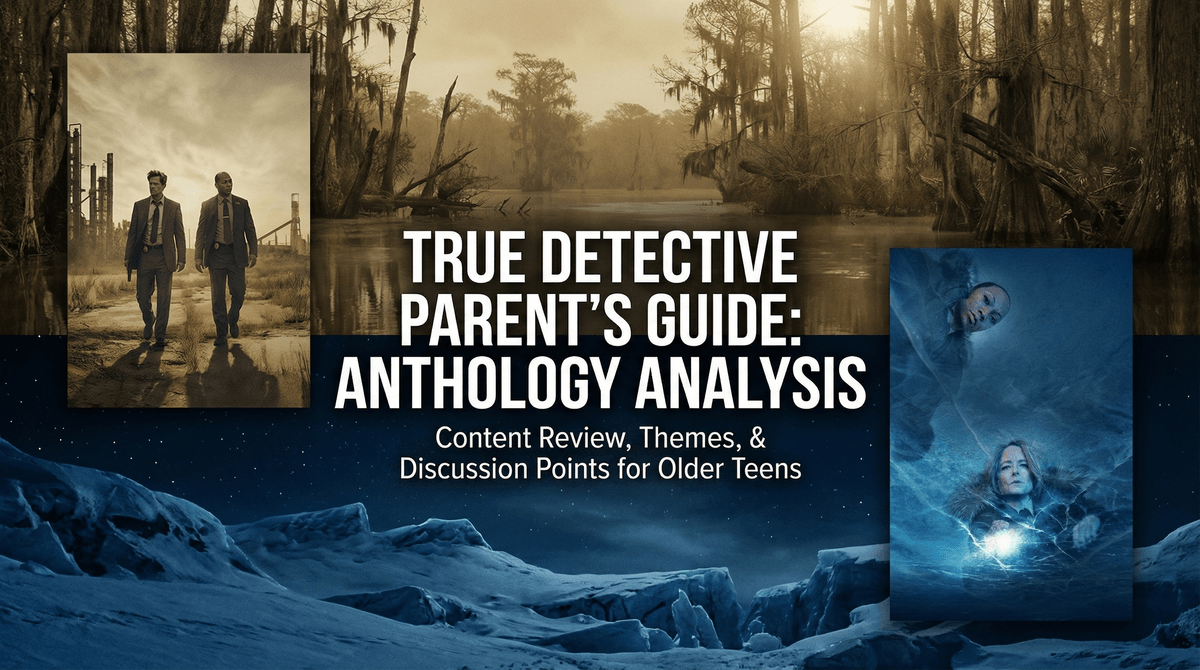
The Season 1 peak
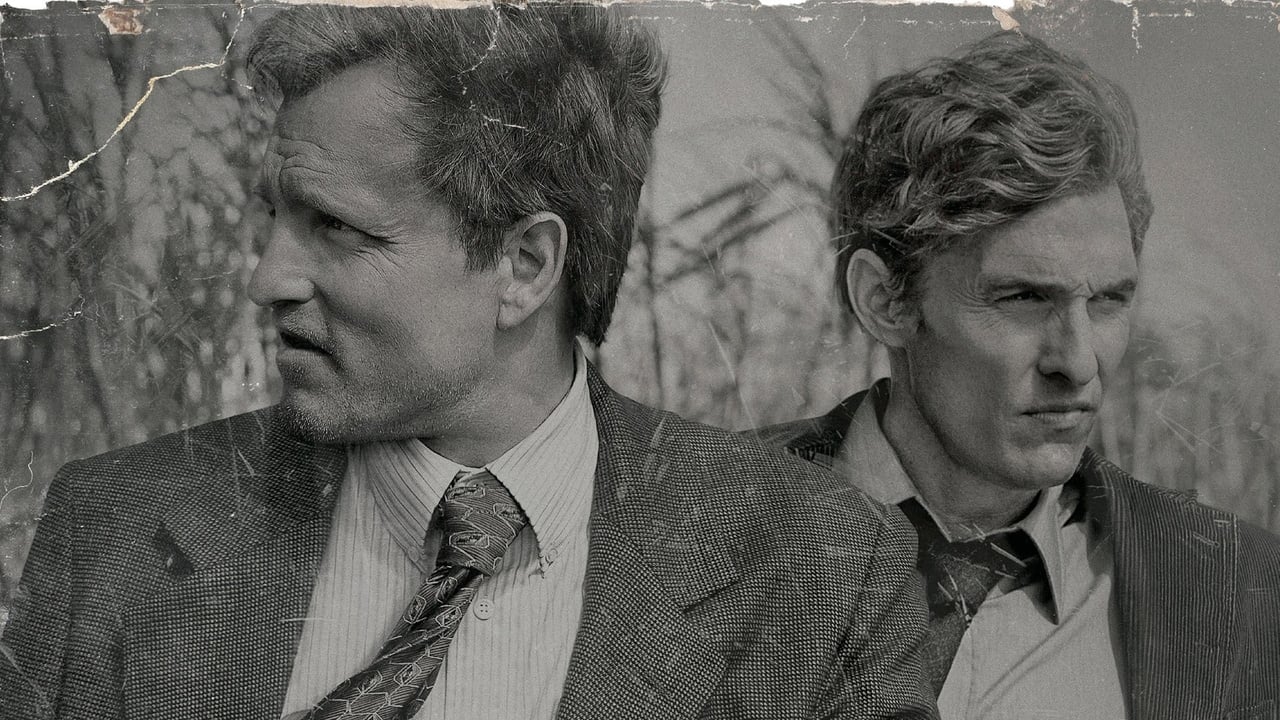
If you’re scrolling through the best shows on Max looking for something to justify the subscription, this is usually the first recommendation you’ll get. But there’s a massive asterisk: people are almost always talking about the first eight episodes. That original run in 2014 changed how we think about "cop shows." It isn't just a procedural; it’s a mood.
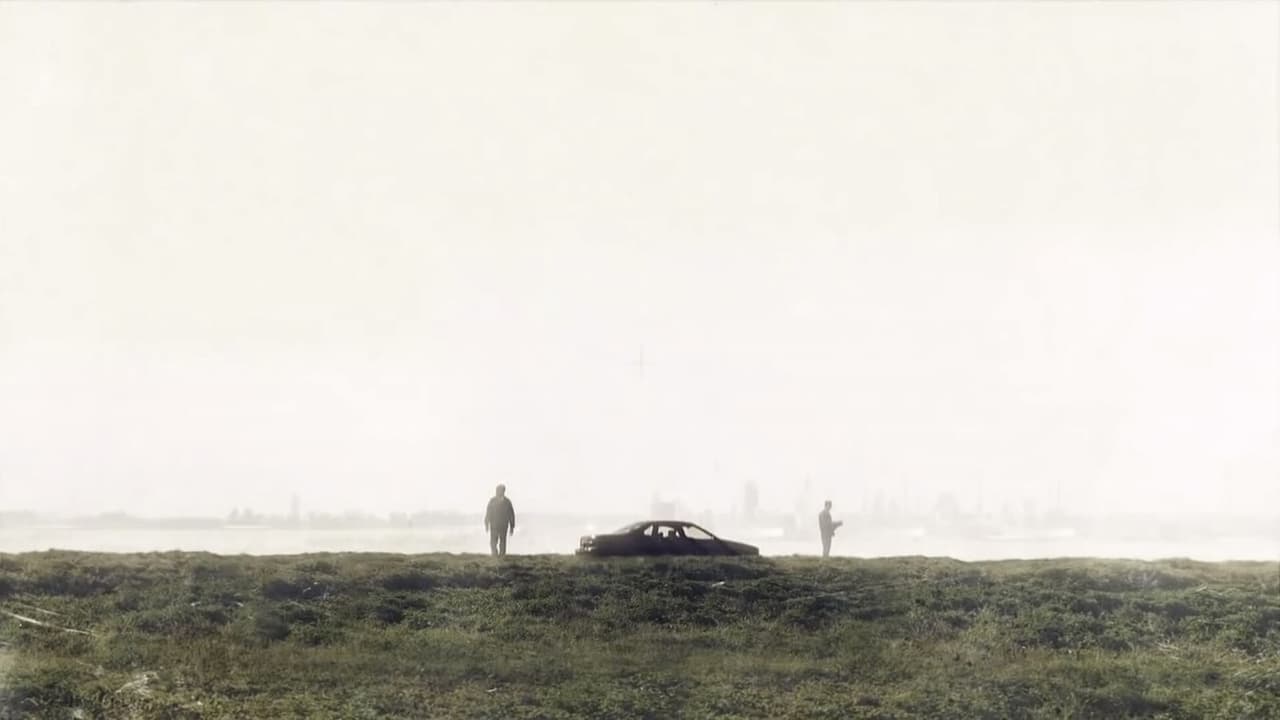
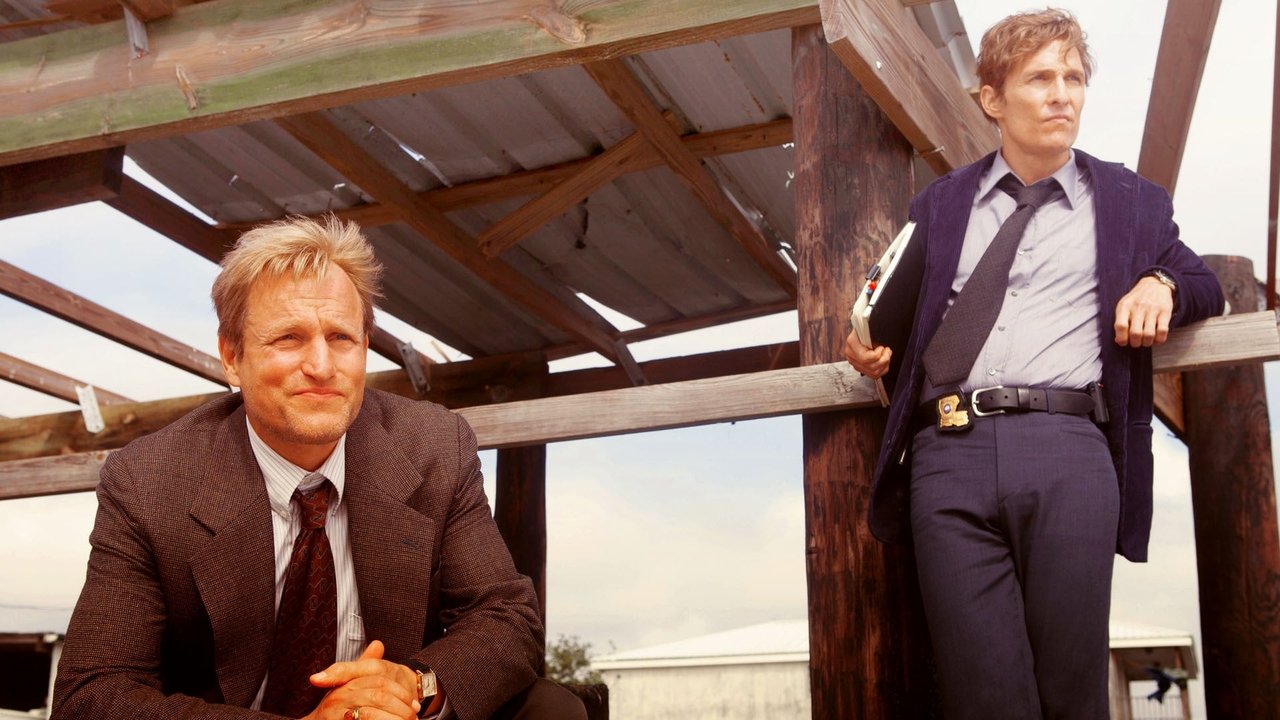
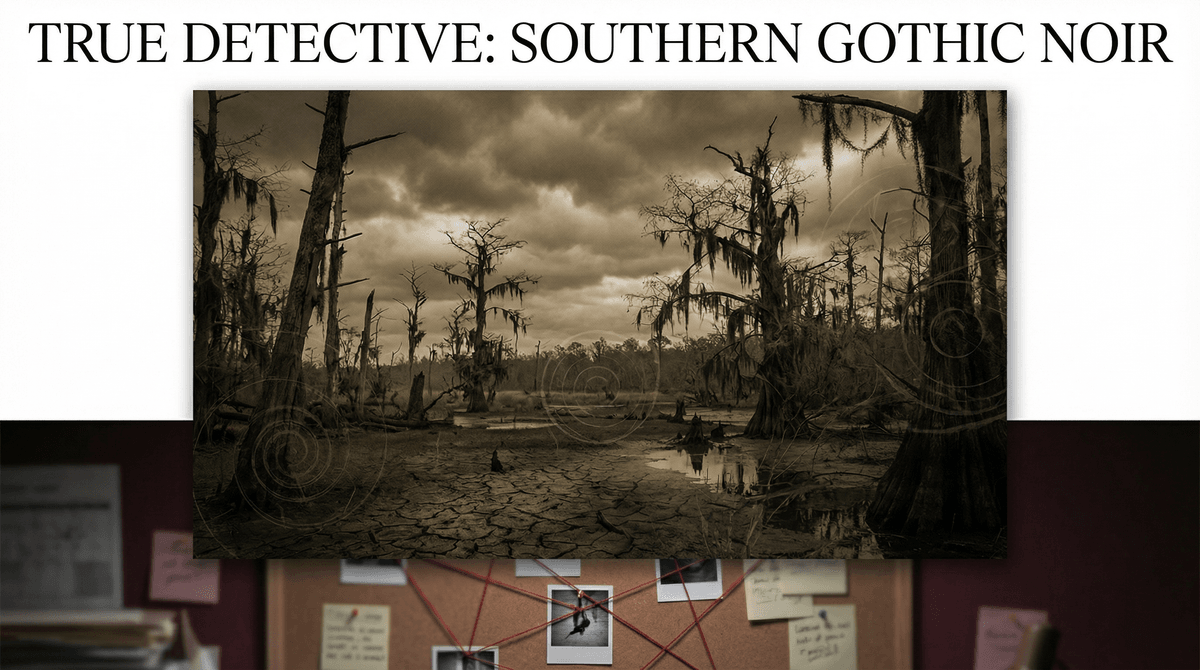
The show works because it leans into "Louisiana Gothic" vibes—think heavy humidity, decaying industrial landscapes, and occult symbols tucked into bird nests. Woody Harrelson and Matthew McConaughey play partners who clearly don't like each other but are bound by a case that spans decades. It’s slow. It’s dense. It’s hypnotic. If you’re the kind of viewer who likes to pause the screen to read the titles of books on a character's shelf, this was made for you.
Why it’s a hard "no" for the family room
We usually talk about violence in terms of "how much blood is there?" With True Detective, the blood isn't the problem. The problem is the dread. The central mystery involves crimes against children that are depicted with a level of grim realism that can be hard to shake off, even for adults.
Even if you have a "mature" teen who has seen every slasher movie on Netflix, this hits differently. It’s not "fun" scary. It’s "existential crisis" scary. The show asks big, ugly questions about whether humans are a mistake of evolution and if the world is just one big "flat circle" of suffering. For a deeper look at the specific triggers, check out when a child is ready for True Detective themes. It’s the kind of content that requires a fully formed emotional toolkit to process without just feeling depressed.
The anthology trap
Because this is an anthology, every season resets the cast, the location, and the quality.
- Season 1: A flawless masterpiece of television.
- Season 2: A confusing, over-written mess that most fans suggest skipping entirely.
- Season 3: A return to form that feels like a "greatest hits" album—good, but you've heard the songs before.
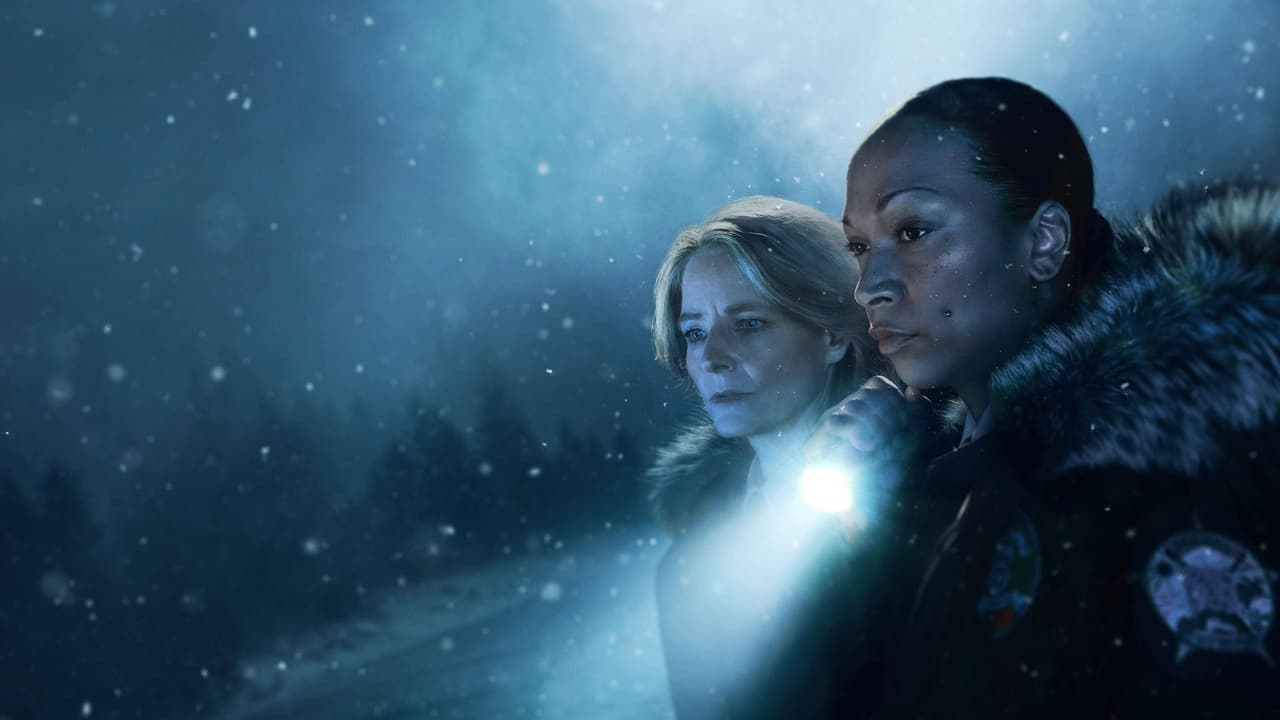
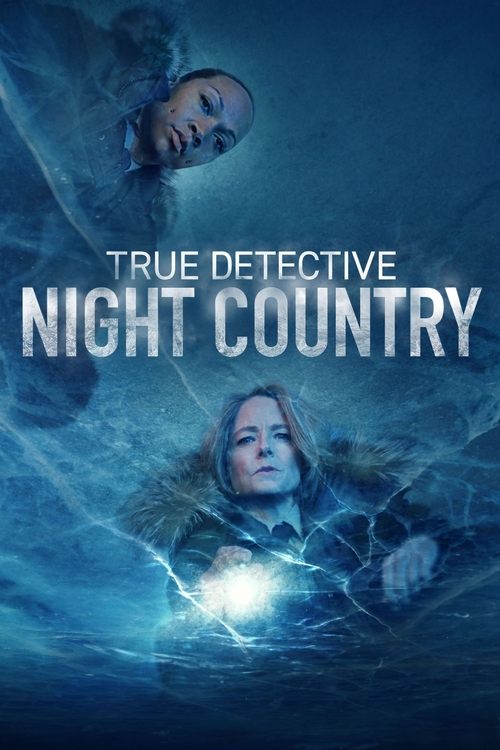
- Season 4: Highly divisive and, according to many long-time fans, a significant step down in writing quality.
If you’re going to invest the time, start and stop with the first season. It’s a self-contained story. You don’t owe the show a binge of the later years just because the first one was perfect.
How to handle the "teen curiosity"
If your kid is a fan of gritty "prestige" aesthetics or they’ve seen the memes of McConaughey smoking and looking stressed, they might ask to watch it. It’s helpful to frame this not as a "you’re too young" thing, but as a "this is a different genre" thing.
This isn't a puzzle to solve like Knives Out. It’s a philosophical heavy-lift. If they’re looking for a mystery, there are dozens of better entry points. If they’re looking for a "dark" vibe, point them toward something with a bit more light at the end of the tunnel. You can find more context in our guide on True Detective: What Parents Should Know About HBO's Dark Crime Drama. Save this one for yourself, late at night, when you have the mental bandwidth for something that is going to haunt you.