The Anti-Mystery
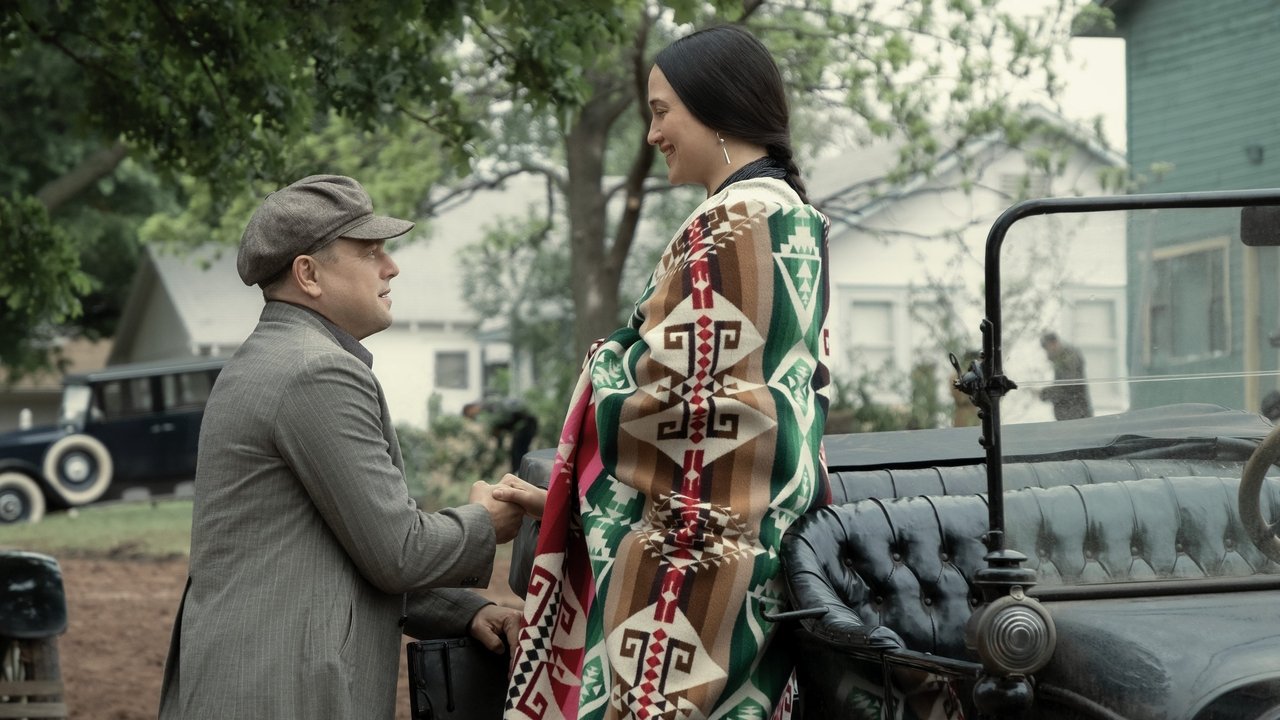
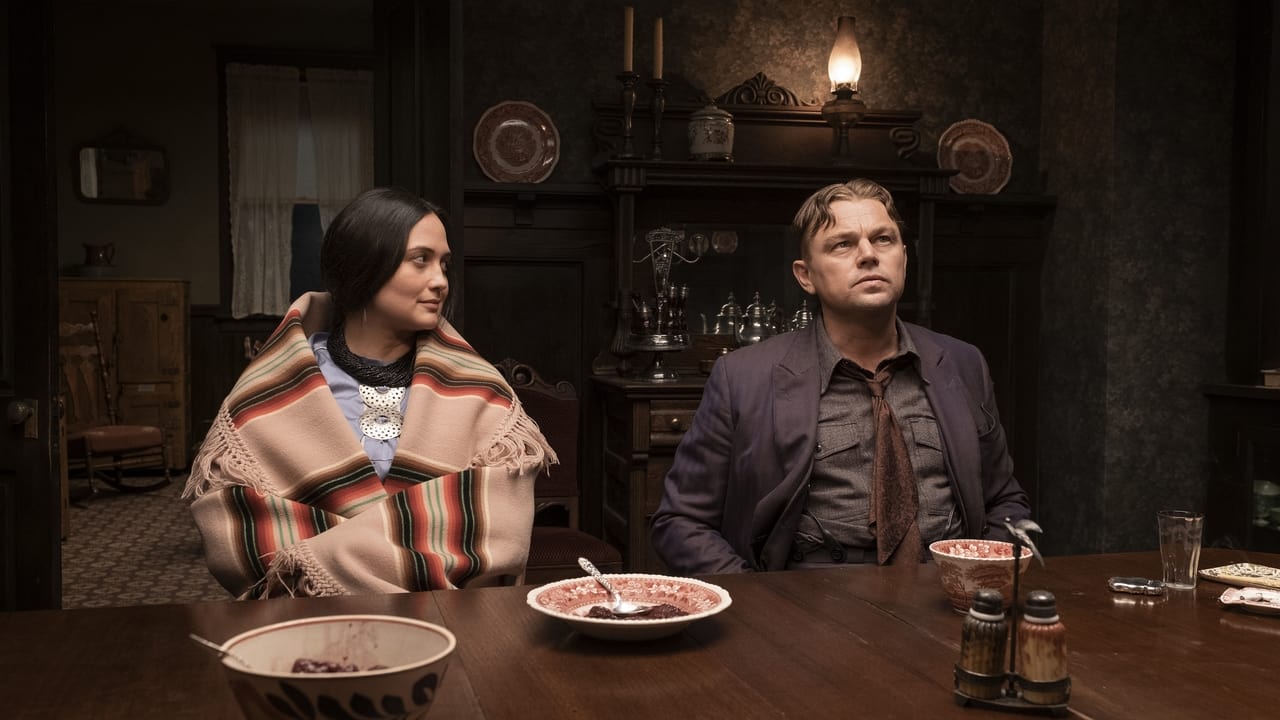
Most true crime stories follow a predictable "whodunnit" arc, but this film takes the opposite approach. You aren't hunting for a killer; you're watching the villains eat dinner with their victims from the very first act. It’s a bold, unsettling choice that makes the movie feel less like a thriller and more like a deposition.
The narrative doesn't rely on the thrill of the chase. Instead, it forces you to sit with the "how" and "why" of it all. It’s about how neighbors, husbands, and friends can systematically destroy a community while looking them in the eye. If you’re expecting a fast-paced procedural where the FBI swoops in to save the day, you’ll be disappointed. The law doesn't show up until very late, and even then, the resolution feels more like a hollow realization of loss than a traditional victory.
The 206-Minute Endurance Test
Let’s be honest about the runtime. This is a massive sit. At nearly three and a half hours, the pacing is intentionally glacial. For a teenager used to the rapid-fire editing of modern blockbusters, this will feel like a test of patience.
There’s a reason for the length, though. The film wants you to feel the weight of time and the slow, agonizing process of the murders. It’s not a movie you "put on in the background." If you aren't ready to commit a full afternoon or a long night to it, wait until you are. Watching this in multiple sittings ruins the cumulative dread the director is trying to build. Critics have lauded it with a 93% on Rotten Tomatoes, but the 84% audience score hints at the fact that not everyone is down for a four-hour history lesson on human cruelty.
The Banality of Evil
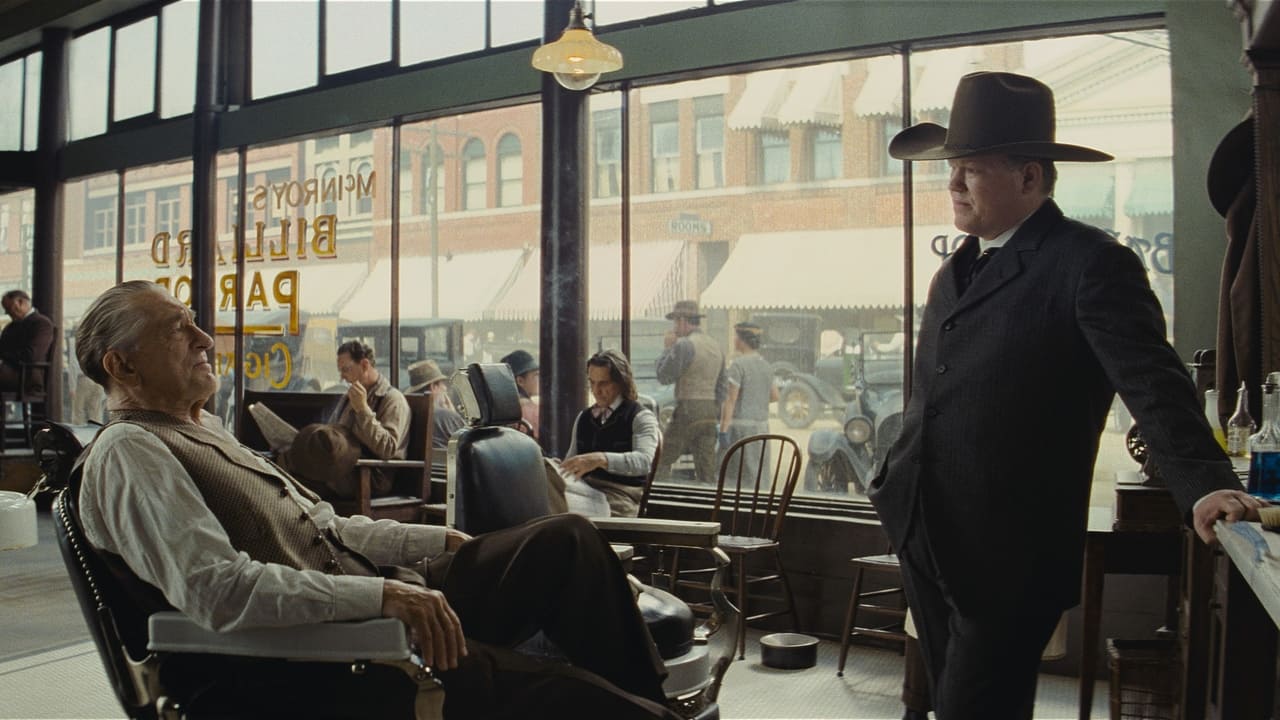
We’re living in an era of flashy true crime that often focuses on the "genius" of the criminal or the grit of the detective. This movie does neither. It portrays the villains as pathetic and mediocre. They aren't masterminds; they’re just greedy men who realized they could get away with murder because the system didn't value the lives of the Osage people.
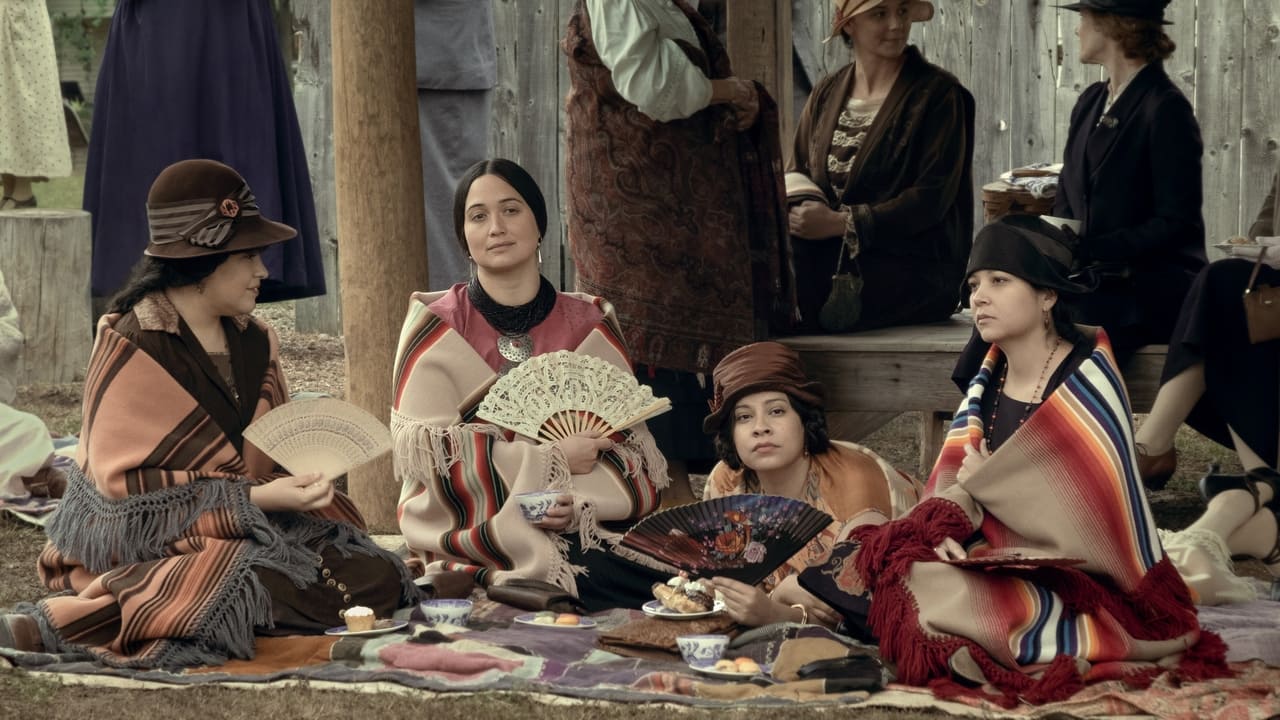
This makes the violence feel different. It’s not stylized or "cool" in the way some gangster movies are. It’s blunt, ugly, and depressing. For an older teen, it’s a vital lesson in how systemic racism actually functions—not through grand gestures, but through quiet, everyday betrayals. It’s a heavy lift, but for a family with the right maturity level, it’s a piece of media that sticks with you long after the credits roll.