

Teen comedy TV is having a moment—or maybe it never stopped having one. From classic sitcoms to cringe comedies to animated shows that somehow appeal to both 13-year-olds and their parents, the landscape is vast and wildly inconsistent in quality and appropriateness.
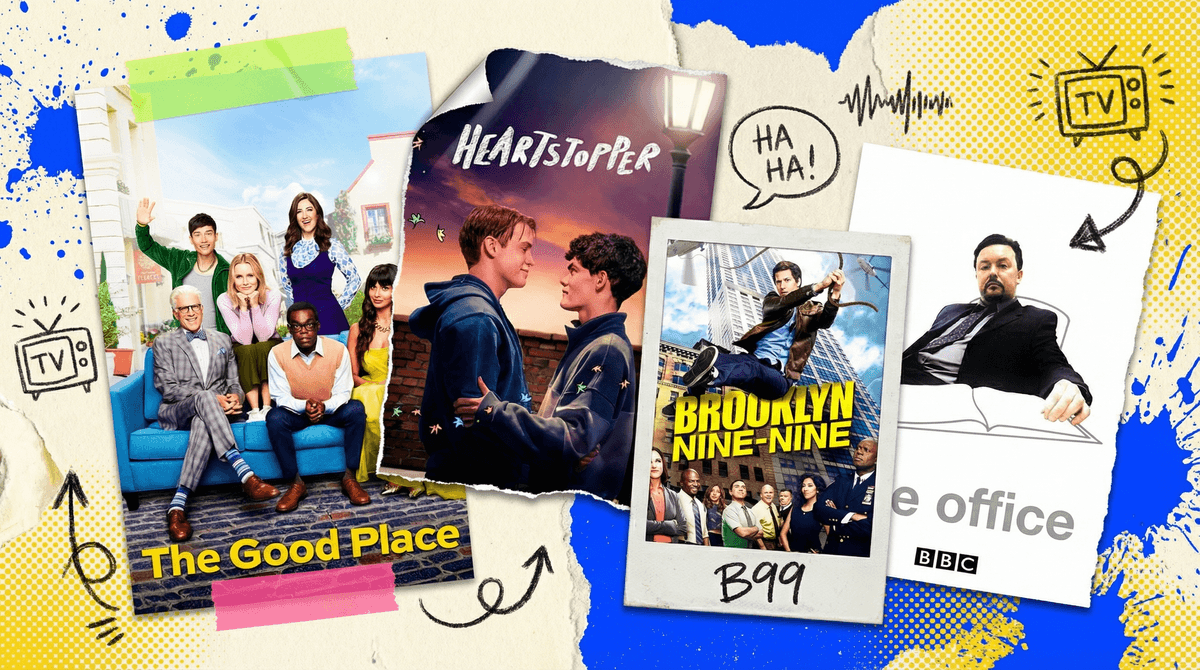
We're talking about everything from The Office (which teens discovered approximately 15 years after it aired) to Brooklyn Nine-Nine to newer stuff like Heartstopper (which is more wholesome rom-com than pure comedy but has funny moments) to animated series like Big Mouth (which... we'll get to that).
The tricky part? "Comedy" is doing a LOT of heavy lifting here. Some shows are genuinely clever and age-appropriate. Others use "it's just comedy" as cover for content that's frankly not great for developing brains—or anyone's brain, honestly.
Teens are drawn to comedy for pretty straightforward reasons:
It's a social connector. Quoting Parks and Recreation or sending memes from Brooklyn Nine-Nine is social currency. Missing out on the jokes means missing out on conversations.
It's an emotional release. Middle school and high school are objectively stressful. Comedy provides relief without requiring the vulnerability of admitting you're stressed.
It feels grown-up. Watching shows that aren't "for kids" signals maturity. Even if the humor is immature (looking at you, Family Guy), the TV-14 or TV-MA rating feels like a badge of honor.
It's genuinely funny. Sometimes a show is just well-written. Schitt's Creek, Ted Lasso, and Abbott Elementary are legitimately good television that happens to be appropriate for older teens.
Here's the reality: not all comedy is created equal, and age appropriateness varies wildly.
Ages 11-13: Proceed with Caution
Most "teen" comedies are really aimed at 15+. For younger middle schoolers, you're better off with:
- The Good Place - Smart, philosophical, and genuinely funny without relying on sex jokes or crude humor
- Kim's Convenience - Wholesome family comedy with some mild language
- Gravity Falls - Technically animated, but the humor works for this age
- Never Have I Ever - This one's borderline. Season 1 is mostly okay for mature 13-year-olds, but there's sexual content that increases in later seasons
Ages 14-16: The Sweet Spot (With Asterisks)
This is where most teen comedies land. Options include:
- Brooklyn Nine-Nine - Workplace comedy that's funny without being gross. Some sexual references but handled maturely
- Schitt's Creek - Character-driven, heartwarming, occasional adult themes but not gratuitous
- The Office - The show every teen seems to watch. Some inappropriate humor (that's kind of the point), but it's satirical
- Parks and Recreation - Similar to The Office but slightly gentler
- Sex Education - Despite the name, it's actually fairly thoughtful about sexuality. But there's explicit content, so this is very much a family-values call
Ages 17+: Pretty Much Anything Goes (But Should It?)
At this age, teens have access to everything. The question isn't "can they watch it" but "should they?"
Shows like Big Mouth, Rick and Morty, and It's Always Sunny in Philadelphia are popular with older teens. Here's my take:
Big Mouth is explicitly about puberty, which sounds educational, but the execution is crude and often unnecessarily graphic. Some families find it helpful for opening conversations; others find it gratuitous. I lean toward the latter, but your mileage may vary.
Rick and Morty is clever sci-fi comedy with extremely dark humor, violence, and nihilistic themes. It's not "bad," but it's definitely not for everyone.
It's Always Sunny is about terrible people doing terrible things. The humor is dark and often offensive—that's the whole point. If your 17-year-old watches it, hopefully they understand the characters are meant to be awful, not aspirational.
Here's what matters more than ratings:
Normalized cruelty. Some comedies treat meanness as funny without consequences. Family Guy and South Park fall into this category. The jokes rely on shock value and often punch down at marginalized groups.
Sexual content as punchline. There's a difference between shows that acknowledge teen sexuality exists (like Sex Education) and shows that use sex purely for shock laughs (like American Pie—yes, teens are watching the movies too).
Substance use portrayed as consequence-free. Lots of teen comedies feature drinking and drug use. The question is whether it's portrayed as hilarious hijinks or whether there's any acknowledgment of reality.
Your teen's actual maturity level. A 14-year-old who can discuss satire and context is different from a 14-year-old who repeats jokes without understanding them. You know your kid.
Look, I'm not going to tell you to watch every episode of every show your teen watches. That's unrealistic and also kind of weird once they hit high school.
But co-watching the first episode or two of a new series? That's reasonable. It gives you:
- Context for their references - You'll actually understand what they're talking about
- Conversation starters - "That joke about X was pretty dark, what did you think about it?"
- Credibility - You're not banning something you've never seen
If co-watching feels forced, try the "background watch" approach: have it on while you're both in the kitchen, folding laundry, whatever. You're not making it A Thing, but you're present.
Some shows are just... not good. Not "not good for teens"—not good, period.
If a show's entire premise is cruelty, shock value, or humor that relies on degrading people, you're allowed to say no. Or at least, "not in this house." You might be wondering where that line is exactly —and that's fair. It's going to be different for every family.
But also: pick your battles. If your 16-year-old wants to watch The Office and you're uncomfortable with some of Michael Scott's inappropriate jokes, maybe that's a conversation rather than a ban. If your 13-year-old wants to watch Big Mouth, that's probably a "not yet."
Teen comedy is a minefield of quality, appropriateness, and personal values. There's no universal "right answer" for what your teen should watch.
The good news: there are genuinely great options. Abbott Elementary, Ted Lasso, The Good Place—these are shows that are funny, well-made, and won't make you cringe when your teen quotes them at the dinner table.
The reality: your teen will probably also watch some garbage. They'll see Family Guy at a friend's house, stumble onto South Park clips on YouTube, or binge something questionable when you're not around.
Your job isn't to control every piece of media they consume. It's to help them think critically about what they're watching and why it's funny (or not). That's the skill that actually matters.
Start here: Ask your teen what comedy shows their friends are watching. Don't make it an interrogation—just genuine curiosity. Then watch an episode yourself before deciding anything.
Check out: Our guide to co-watching with teens for strategies that don't feel forced.
Explore alternatives: If you're looking for comedy that's genuinely funny without the baggage, check out these teen-appropriate comedy recommendations.
And remember: the goal isn't perfection. It's helping your teen develop taste, critical thinking, and the ability to recognize when something's funny versus when something's just mean. That's a skill that'll serve them way longer than any TV show.