The Season One Problem
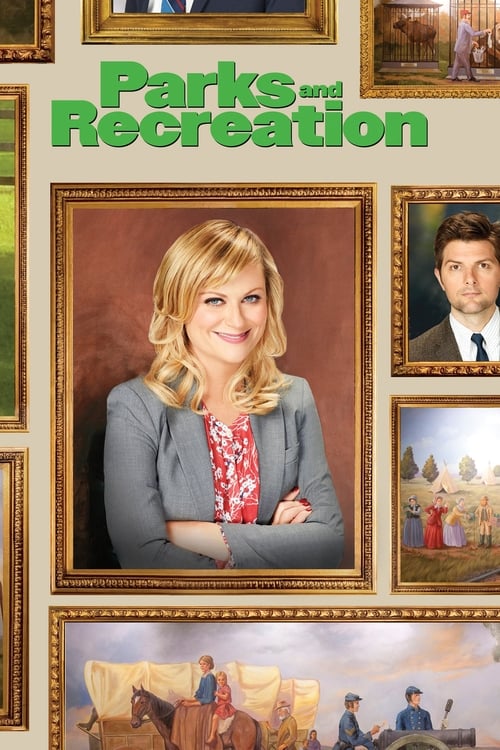
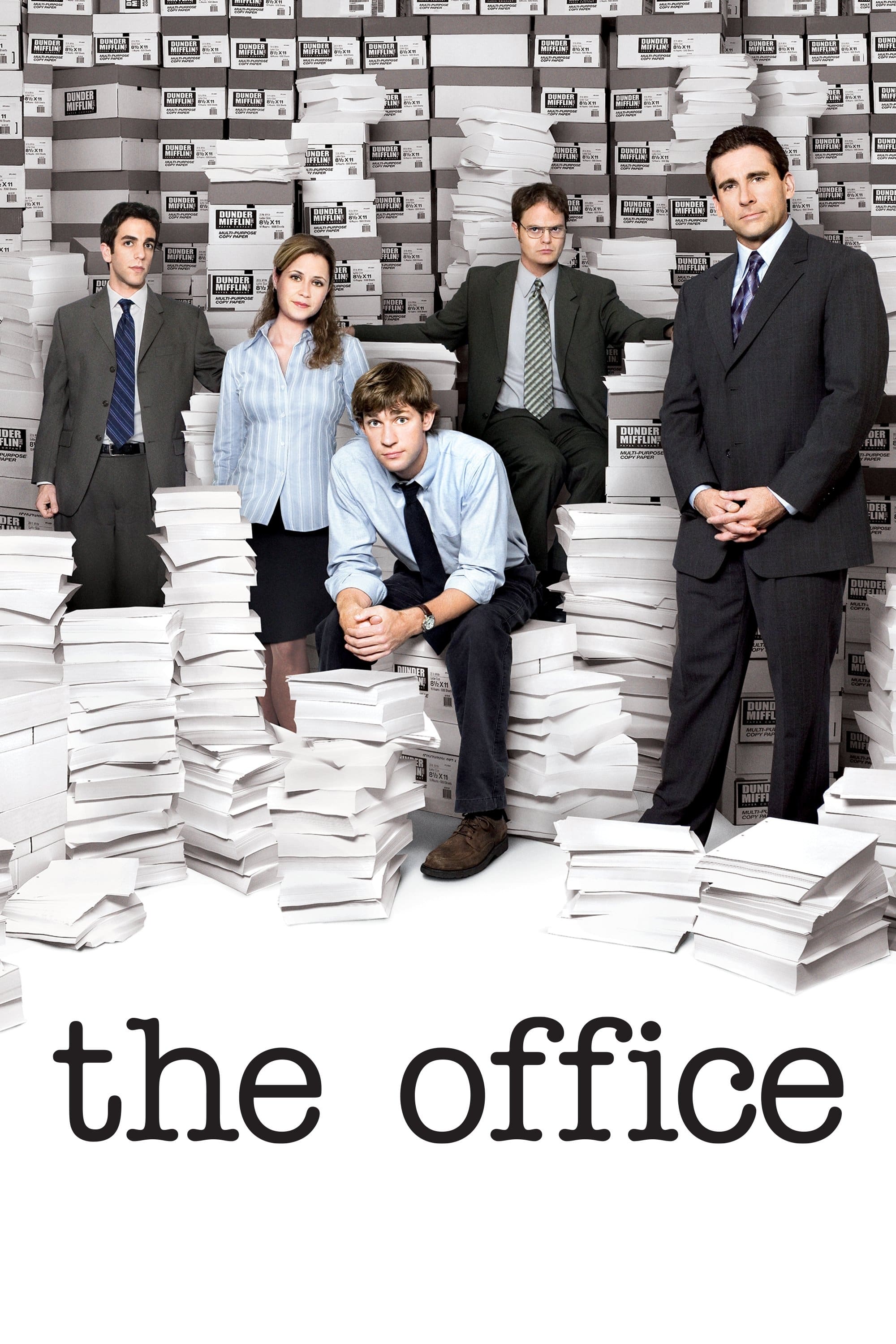
If you start at episode one, you will probably want to turn it off. In 2009, the show was trying to copy The Office beat for beat, making Leslie Knope look naive, slightly pathetic, and uncomfortably incompetent. The town pit felt depressing rather than quirky.
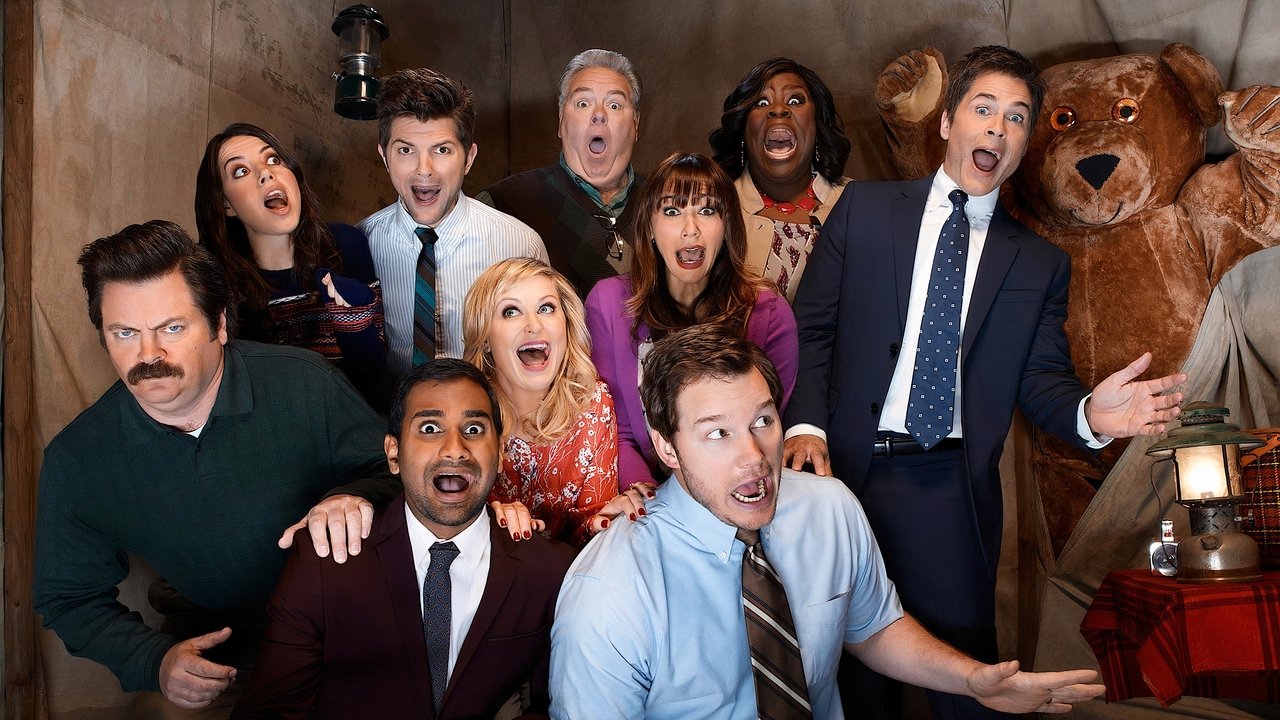
Everything changes in season two, specifically when Adam Scott and Rob Lowe show up at the end of that season. The writers realized Leslie should be terrifyingly competent, wildly loyal, and supported by a team that loves her even when she exhausts them. If your kid bounces off the first four episodes, skip straight to season two episode 23 ("The Master Plan"). You lose very little lore and immediately get the show at its peak.
Why It Works for Families
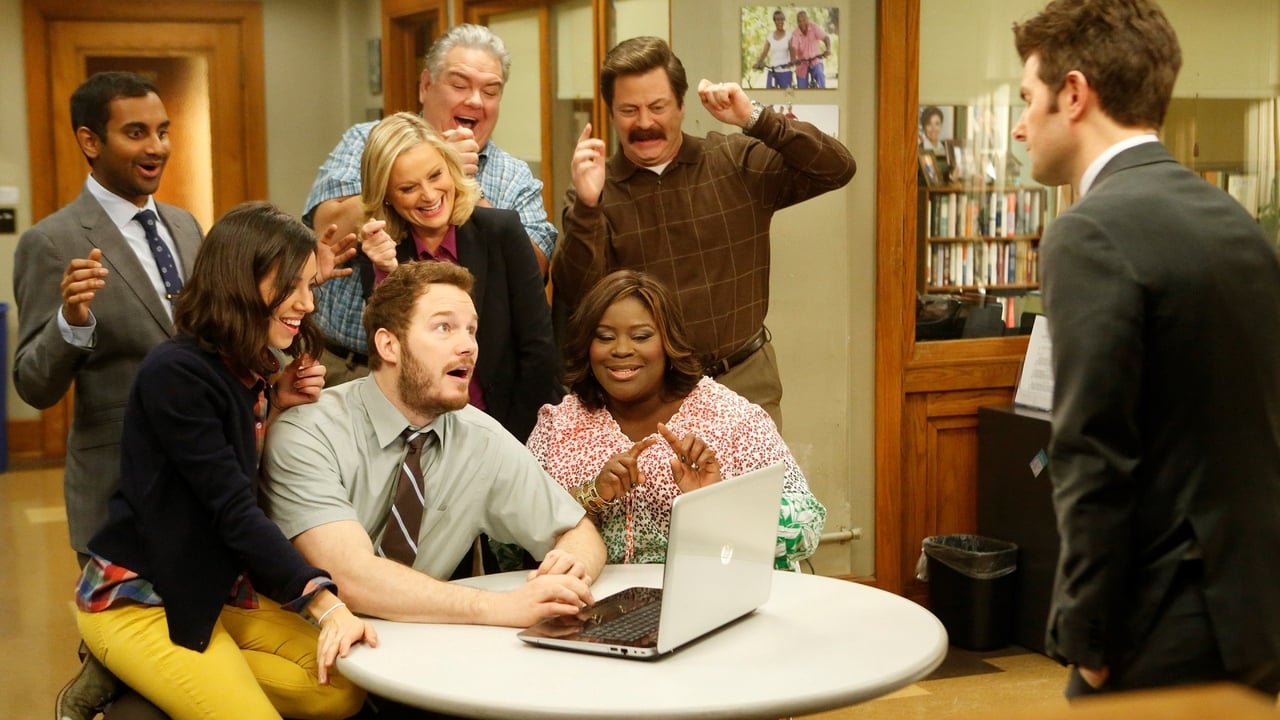
Sitcoms built for tweens and teens usually traffic in eye-rolling, secret lives, and parents who are clueless obstacles. Parks and Rec does something unusual: it makes competence, effort, and affection cool.
- Leslie Knope treats city bureaucracy like an Olympic sport, turning gift-giving and binder preparation into acts of radical devotion.
- Ron Swanson gives kids a masterclass in holding boundaries, working with your hands, and respecting someone even when you hate their politics.
- April and Andy show two weird outsiders finding a rhythm together without turning into standard teen TV archetypes.
Watching Leslie navigate public town hall meetings filled with furious, irrational citizens is also an unintentional civics lesson. Democracy in Pawnee is frustrating, inefficient, and full of cranky people demanding insane things, yet Leslie shows up every single time because the community matters. In a culture full of cheap cynicism about public life, that perspective feels fresh.