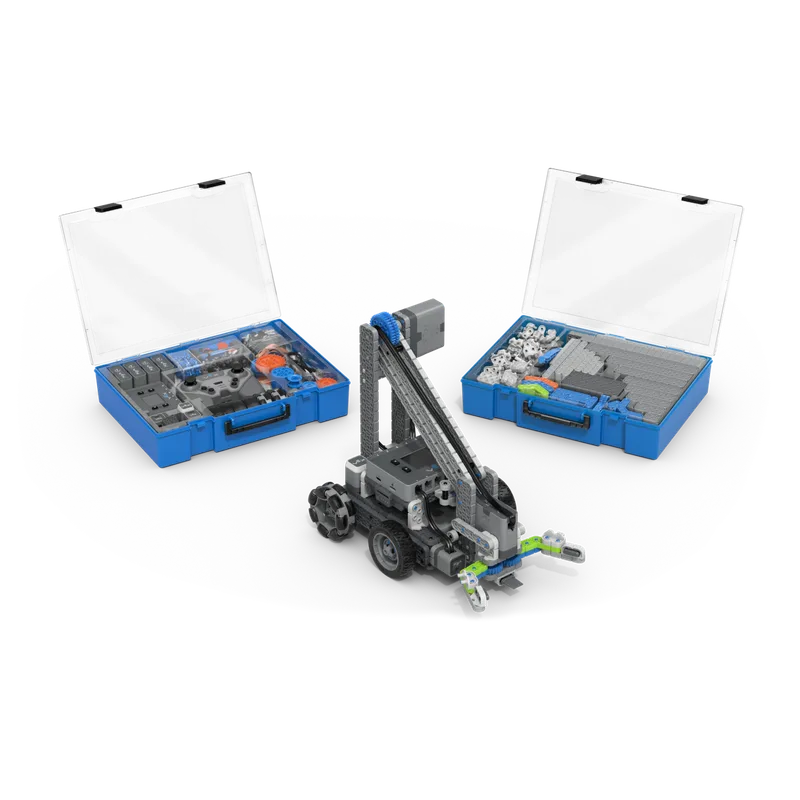
VEX IQ is the real deal. It’s one of the few 'educational' toys that actually delivers on the promise of teaching engineering without feeling like a chore.
Unlike cheaper kits that offer one or two 'cool' builds and then gather dust, VEX IQ is a true platform. It’s robust, the documentation is professional, and the transition from block-based coding to real-world languages is seamless. If your kid is constantly taking things apart, this is the best investment you can make to help them put things back together—with motors.
Age Fit
Perfect for the 8-14 sweet spot. Younger kids can build the models with help, but the real magic happens when a middle schooler starts writing custom logic.
WISE Breakdown
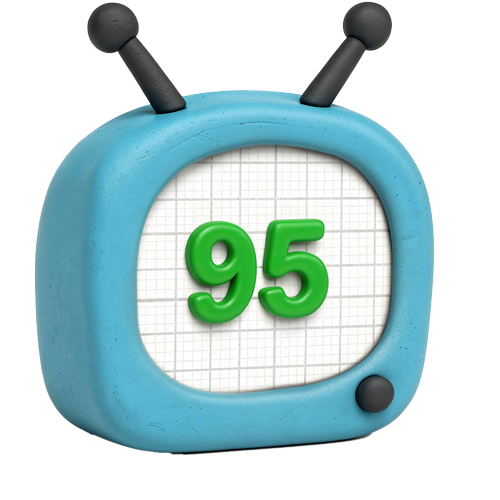
Wholesome
95
It is pure STEM engagement. It encourages patience, iteration, and collaborative problem-solving without any of the toxic competition or manipulative loops found in digital-only products.
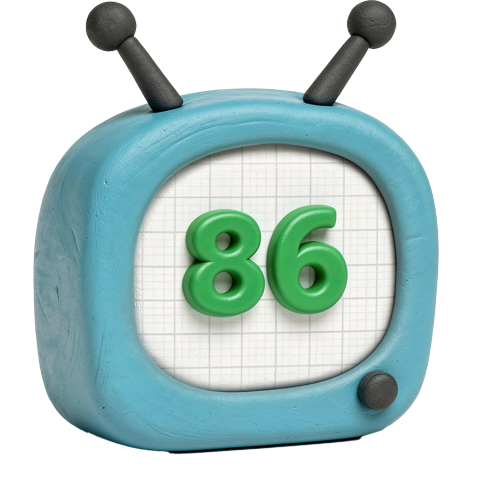
Imaginative
92
While there are standard builds, the system is essentially 'Lego for engineers.' Once kids understand the sensors and motors, they can build almost anything that moves.
Safe
98
Plastic snap-together parts mean no sharp metal edges or soldering. The software is generally local or direct-connect, avoiding the typical privacy pitfalls of 'smart' toys.
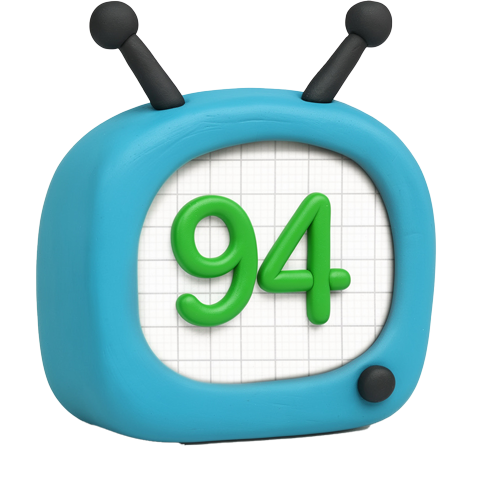
Enriching
97
This is as high-yield as it gets. It bridges the gap between 'playing with blocks' and actual mechanical engineering and computer science (Python/C++).
Parent Info
✓
Why It Might Be Great
The 'Brain' is surprisingly powerful, supporting everything from simple block coding to professional-grade Python and C++.
Snap-together parts mean no tools are required, making it much more accessible (and less dangerous) than the metal-based VEX V5 sets.
It scales perfectly with the kid; they start by driving it like an RC car and end by programming autonomous sensor-based logic.
The parts are incredibly durable—these kits are designed to survive middle school classrooms, so they'll survive your living room.
⚠
What to Watch For
The little plastic connector pins are the bane of every parent's existence; they will end up in your vacuum and your carpet.
It is an expensive ecosystem. Once you buy the starter kit, the 'need' for more specialized sensors and omni-wheels adds up fast.
Firmware updates can be finicky. You’ll occasionally need to tether the robot to a computer to get things talking to each other again.
Conversation Starters
"If you could add one sensor to this robot to help it navigate the kitchen, what would it be?"
"Why did that turn fail? Was it the code, or did the physical weight of the arm throw off the balance?"
"How would you program this to finish its task if the touch sensor broke?"