Twin Peaks

Twin Peaks

show

TV-MA, 1990, Crime, Drama

WISE
52%

WISE Score

78

Avg. Tomatometer

Lynch's surrealist murder mystery that changed TV forever—but it's dark, disturbing, and genuinely hard to watch in 2025.

IMDb8.7
RT Critics78%
MC83
Common Sense Media
Where to Watch
Loading streaming options...
Screenwise Verdict

Twin Peaks is legitimately important television—it broke the mold and proved TV could be as artistically ambitious as film. The imagination score is off the charts because nothing like this existed before Lynch put cherry pie and nightmares on network TV.

But let's be real: this is not for kids, not for teens, and honestly not even for most adults in 2025. The pacing is brutal by modern standards. The soap opera elements that were clever satire in 1990 now just feel like... soap opera. Season 2 becomes genuinely bad television for long stretches. And the content—murdered teenage girl, sexual abuse, domestic violence, graphic imagery—is heavy and disturbing.

If you're a film buff, a TV history nerd, or someone who loves surrealist art, this might be worth the slog. The imagery is genuinely iconic and the influence is undeniable. But if you're looking for something to actually enjoy watching? There are dozens of shows that learned from Twin Peaks and did it better for modern audiences. This is more museum piece than must-watch.

Age Fit

This is adult viewing, period. Common Sense Media says 14+, but realistically this is 17+ content given the sexual abuse themes, violence, and disturbing imagery. It's best suited for adults interested in television history or surrealist storytelling who can handle dark, mature content.

WISE Breakdown
Wholesome
35

Murder mystery centered on a dead teenage girl, with darker themes including sexual abuse, drug use, domestic violence, and disturbing dream sequences. The tone oscillates between campy soap opera and genuinely unsettling horror. While it has moments of quirky humor and genuine human connection, the core content involves trauma, exploitation, and psychological darkness that's far from emotionally healthy viewing for younger audiences.

Imaginative
95

David Lynch created something genuinely groundbreaking—a surrealist crime drama that defied every TV convention of its era. The Red Room, the Log Lady, backwards-talking dreams, cherry pie obsessions, and the blend of small-town Americana with nightmare logic was unlike anything on television. It invited viewers to interpret symbols, theorize about mysteries, and accept ambiguity. This is peak imaginative television that influenced decades of prestige TV.

Safe
25

Common Sense Media rates it 14+, but even that feels generous. The show opens with a murdered teenage girl wrapped in plastic, and explores sexual abuse (including of a minor), domestic violence, drug trafficking, graphic violence, and deeply disturbing dream sequences. There's nudity, sexual content, and psychological horror elements. The surreal aspects can be genuinely frightening. This is adult content that would be inappropriate and potentially traumatic for children to stumble upon.

Enriching
78

For mature viewers, Twin Peaks is a masterclass in storytelling, cinematography, and breaking television conventions. It explores grief, trauma, small-town secrets, and the darkness beneath suburban normalcy. The show demands active viewing and interpretation, building media literacy and tolerance for ambiguity. However, its entertainment value is wrapped in disturbing content, and its pacing and style can feel inaccessible to modern viewers unfamiliar with 1990s TV conventions.

Parent Info

Why It Might Be Great

  • Genuinely groundbreaking television that influenced everything from The Sopranos to Stranger Things—this is where prestige TV started taking risks
  • The surrealist imagery and dream logic create a unique viewing experience that rewards interpretation and discussion
  • Kyle MacLachlan's Agent Cooper is one of TV's most memorable characters—earnest, quirky, and endlessly quotable
  • For film students or adults interested in television history, it's essential viewing that shows how one show can shatter conventions

What to Watch For

  • This is absolutely adult content—murder, sexual abuse of a minor, domestic violence, drug use, nudity, and psychological horror throughout
  • The 1990s pacing is glacial by modern standards, and the soap opera elements that were satirical then feel genuinely dated now
  • Season 2 famously loses the plot (literally) and becomes nearly unwatchable for stretches—even superfans admit this
  • The surreal elements aren't just quirky—they can be genuinely disturbing and nightmarish, especially the Red Room sequences

Conversation Starters

  • "What do you think the Red Room represents? Why does everyone talk backwards?"
  • "How does the show use the murder mystery to explore what's hidden beneath a seemingly perfect small town?"
  • "Why do you think this show was so influential? What modern shows can you see its influence in?"
  • "The show blends horror, comedy, and soap opera—does that work for you or does it feel jarring?"

Deep Dive

The "Cozy" Trap

If you go into Twin Peaks expecting a standard procedural, you’re going to be confused by the end of the pilot. It starts as a "who-killed-the-prom-queen" mystery, but it quickly morphs into something much weirder. The show thrives on a specific kind of cognitive dissonance: one minute you’re watching Agent Cooper talk about how much he loves a damn good cup of coffee, and the next you’re watching a demon crawl over a couch in a sequence that still holds up as genuinely terrifying.

This isn't a show you can put on in the background while folding laundry. The dream logic and the surrealism—like characters talking backwards in a room with red curtains—require your full attention. If you check your phone for five minutes, you’ll miss the subtle shift from a quirky small-town drama to a full-blown psychological horror.

The Scooby-Doo Connection

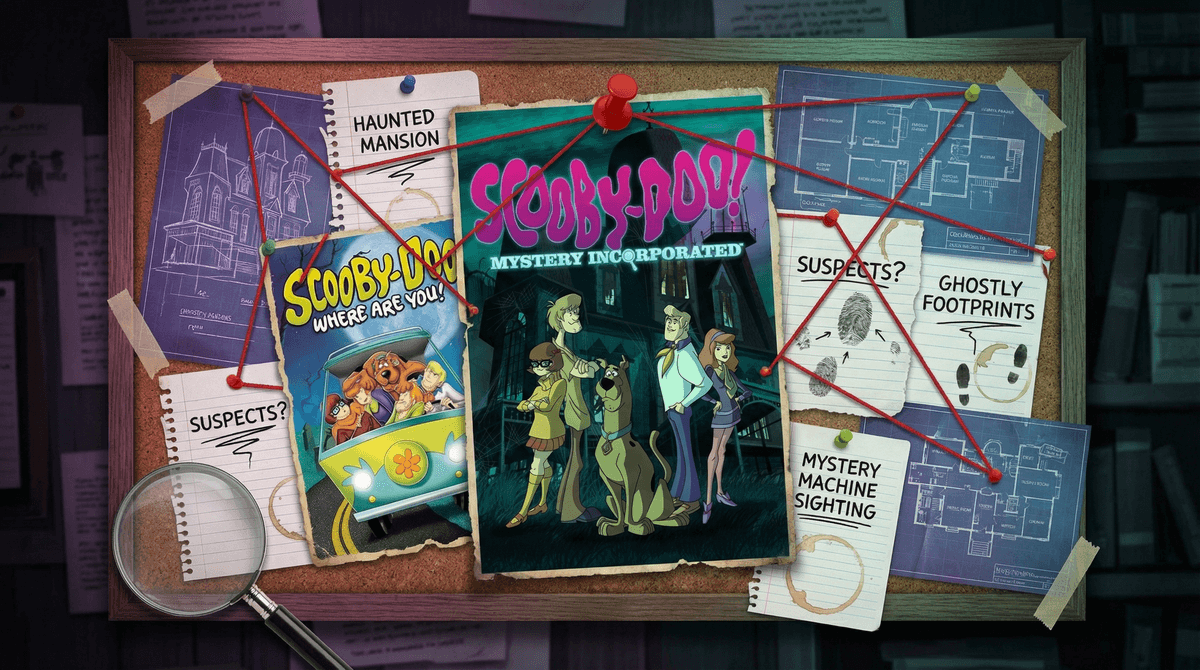
For parents whose teens are interested in the "dark secrets of a small town" trope, there’s a direct line from this show to almost everything else in the genre. If your kid recently finished and loved the darker, serialized vibes of Scooby-Doo: Mystery Incorporated, they’ve already seen a "junior" version of the Twin Peaks formula.

Mystery Incorporated basically took the DNA of this show—the eccentric townspeople, the hidden supernatural rot beneath the surface, the weird dream sequences—and made it digestible for a younger audience. Moving from that to the actual Twin Peaks is a massive jump in intensity and mature themes, but the structural interest is the same. Just be aware that while the cartoon version plays with these ideas for fun, the 1990 original uses them to explore some of the darkest aspects of human nature, including sexual abuse and domestic violence.

The Infamous Season 2 Slump

We have to talk about the middle of the second season. It is a slog. Once the central mystery is "solved" under pressure from the network, the show loses its North Star. It wanders into subplots that feel like they belong in a completely different, much worse show. You’ll find yourself watching characters you don't care about do things that don't matter for several episodes.

If you’re watching this for the first time, don't feel guilty about wanting to bail around episode 10 of Season 2. Most fans agree that the quality takes a nosedive before the creators return to stick the landing in the series finale. The finale itself is a masterpiece of surrealist horror, but getting there requires a lot of patience.

Why the "14+" Rating is Optimistic

While critics and audience scores remain high, the disturbing nature of the imagery is often understated. This isn't just "TV violence." It’s psychological. The show deals heavily with the trauma of a murdered teenager and the ripple effects through a community. The horror elements aren't jump scares; they are the kind of images that stick in your brain and make you uncomfortable in a dark room.

For a modern viewer, the pacing is the biggest hurdle. We’re used to 8-episode seasons where every scene moves the plot. Twin Peaks has 22-episode seasons where sometimes the plot just stops so people can dance or eat pie. If you can't vibe with that specific 1990s "slow cinema" energy, this will feel more like homework than entertainment. Use it as a litmus test: if you aren't hooked by the end of the double-length pilot, the rest of the series isn't going to win you over.

Ask Anything

Get a personalized guide on any topic