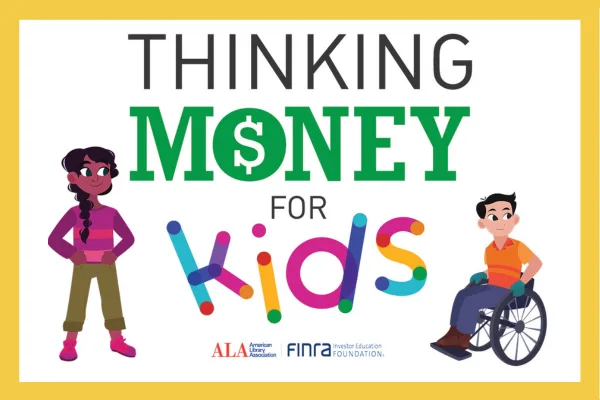
Thinking Money for Kids

Thinking Money for Kids

Website

WISE
88%

WISE Score

A rare, ad-free financial playground where kids can learn to budget and invest without anyone trying to sell them a virtual hoodie.

Screenwise Verdict

If you're tired of 'educational' apps that are just thinly veiled delivery systems for ads and data mining, Thinking Money for Kids is your palate cleanser. It’s a library-backed suite of games that treats financial literacy as a life skill rather than a sales pitch.

It’s not going to be your kid’s favorite game of all time, but it’s one of the few places on the internet where they can play around with the concept of money without being targeted by a marketing department. For a rainy afternoon or a structured home-school lesson, it’s a total win.
Age Fit

Perfect for the 7–11 crowd. It's sophisticated enough to respect their intelligence but colorful enough to keep them from clicking away to YouTube.

WISE Breakdown
Wholesome
95

It models responsible community behavior and financial stewardship without any consumerist toxicity. The tone is encouraging, cooperative, and rooted in library values.

Imaginative
68

While the games use story-driven scenarios, they are fundamentally educational simulations. It's more about logical problem-solving than creative expression.

Safe
99

This is as safe as it gets. No ads, no in-app purchases, no data tracking, and no social chat features. It's hosted on library-vetted domains.

Enriching
94

It tackles complex topics like compound interest and budgeting using mechanics that actually stick. It's a rare example of 'edutainment' that doesn't feel like a digital worksheet.

Parent Info

Why It Might Be Great

  • Zero monetization means no 'accidental' $99 credit card charges or FOMO-driven loot boxes.
  • High-quality pedagogy backed by the ALA and FINRA, so you know the financial advice is actually sound and not just 'influencer' logic.
  • Interactive storytelling helps bridge the gap between abstract math and real-world choices like saving for a bike or choosing a job.
  • Library-centric design makes it a great low-stakes way to introduce digital literacy alongside financial literacy.

What to Watch For

  • The 'fun factor' is high for an educational site, but it won't compete with the dopamine hit of Roblox or Minecraft. It's a 'supplemental fun' thing, not a primary entertainment source.
  • It's entirely web-based, so it won't work on a long car ride without a hotspot or stable Wi-Fi.

Conversation Starters

  • "In the Balance My Budget game, what was the hardest thing to say 'no' to?"
  • "If you had to choose between earning more money or having more free time like in the game, which would you pick?"
  • "Why do you think the game suggests 'sharing' or donating some of your money instead of keeping it all?"
  • "Did anything about the 'interest' part of the game surprise you?"

Deep Dive

The Anti-Commercial Money App

Most financial apps for kids these days are basically 'My First Credit Card' bait. They want you to sign up for a debit card with a monthly fee. Thinking Money for Kids is the exact opposite. Because it's a partnership between the American Library Association and the FINRA Foundation, the goal isn't profit—it's actual literacy.

The games—Earning It, Balance My Budget, and Money Trail—are surprisingly well-built. They don't just teach 'saving is good'; they get into the weeds of trade-offs. If your kid spends all their virtual money on the 'cool' option early on, they'll genuinely feel the pinch when an emergency expense pops up later in the game. It’s a safe space to fail financially, which is exactly what you want.

Why Libraries Matter Here

Because this is library-hosted, the privacy standards are incredibly high. There's no account creation required for the basic interactives, meaning no one is building a profile on your 8-year-old’s spending habits. If you want to take it offline, the ALA provides printable kits that turn these digital lessons into physical activities. It’s a great way to transition from screen time to a real-world conversation about the family budget.

What Parents Ask

Ask Anything

Get a personalized guide on any topic