Low-Stimulation Storytelling That Actually Works
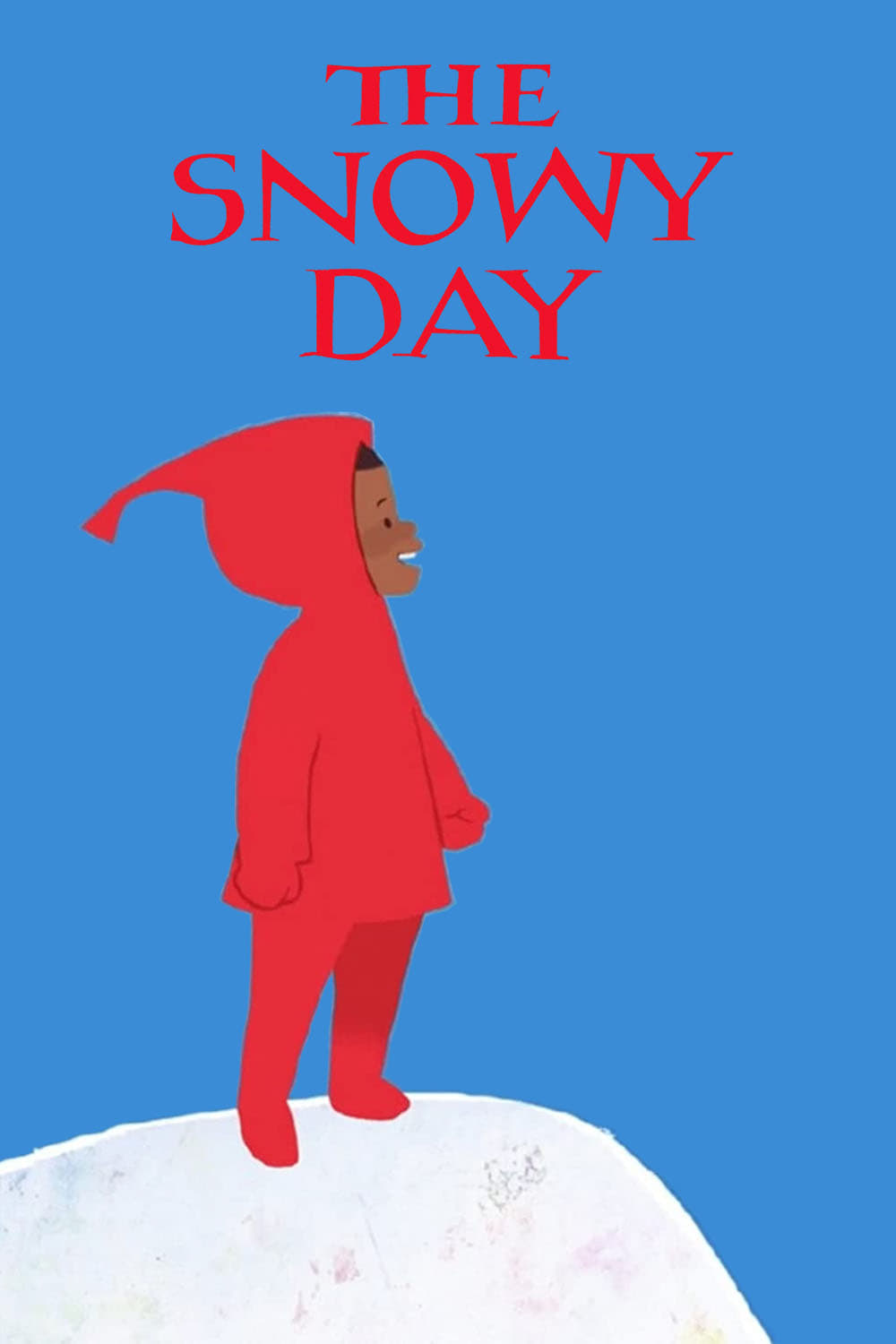
Most modern holiday specials are loud. They run on frantic slapstick, frantic voice acting, and manufactured urgency to keep young eyeballs glued to the screen. The Snowy Day takes the exact opposite road.
It takes Ezra Jack Keats's foundational 1962 picture book—the first mainstream children's book to feature a Black protagonist without caricatures—and lets the snow do the heavy lifting. The plot is featherweight: Peter wakes up to a fresh snowfall, puts on his bright red snowsuit, and sets out across his neighborhood to get his Nana's traditional mac-and-cheese dinner for Christmas Eve.
Along the way, the film leans into tactile childhood sensations:
- The crunching sound of boots dragging tracks in fresh powder
- Smacking a snow-covered branch with a stick
- Rolling a giant snowball that gets too heavy to push
- The quiet heartbreak when a pocketed snowball inevitably melts near the radiator
The Visuals and Sound
Instead of flattening the art into generic CGI, the production team honored Keats's signature cut-paper collage style. The backgrounds look like patterned origami paper, textured textiles, and gouache paint. It gives the screen the feeling of a living storybook rather than a video game cutscene.
The music handles the rest of the emotional tone. With voice work from Regina King and an original song by Boyz II Men ("Snowy Day"), the sound design treats the urban setting as a community of neighbors rather than an anonymous backdrop.
Pairing It with the Page
This is one of the rare book-to-screen transitions where reading the book first genuinely deepens the screen time. Keats's prose is spare, and seeing how the animators gave life to lines like "crunch, crunch, crunch, his feet sank into the snow" lets kids connect text to image naturally. Watch it on a cold winter afternoon when nobody wants to go outside.