The Sleepy Bookshelf

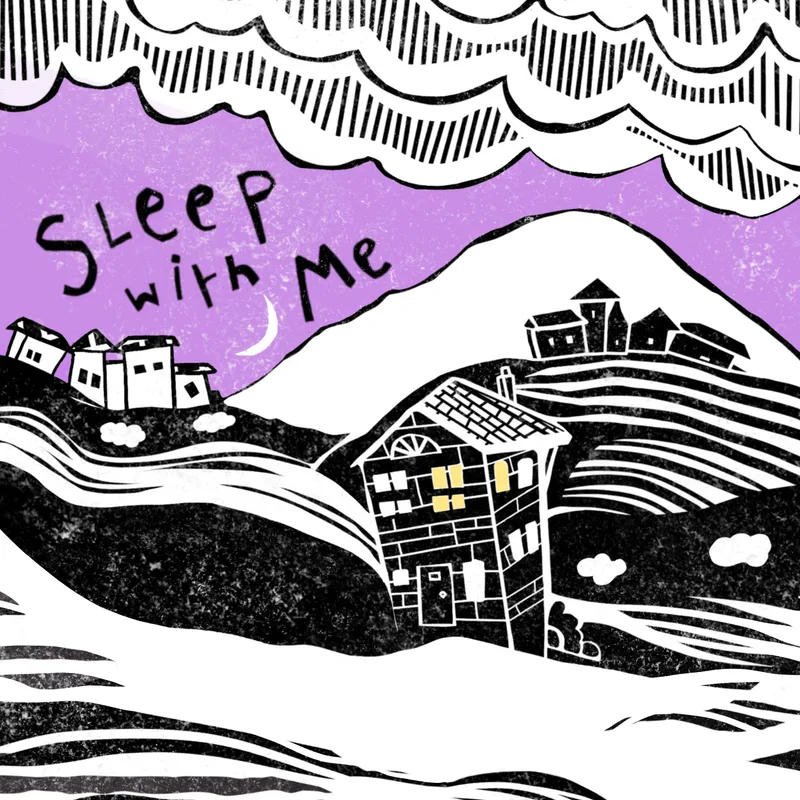
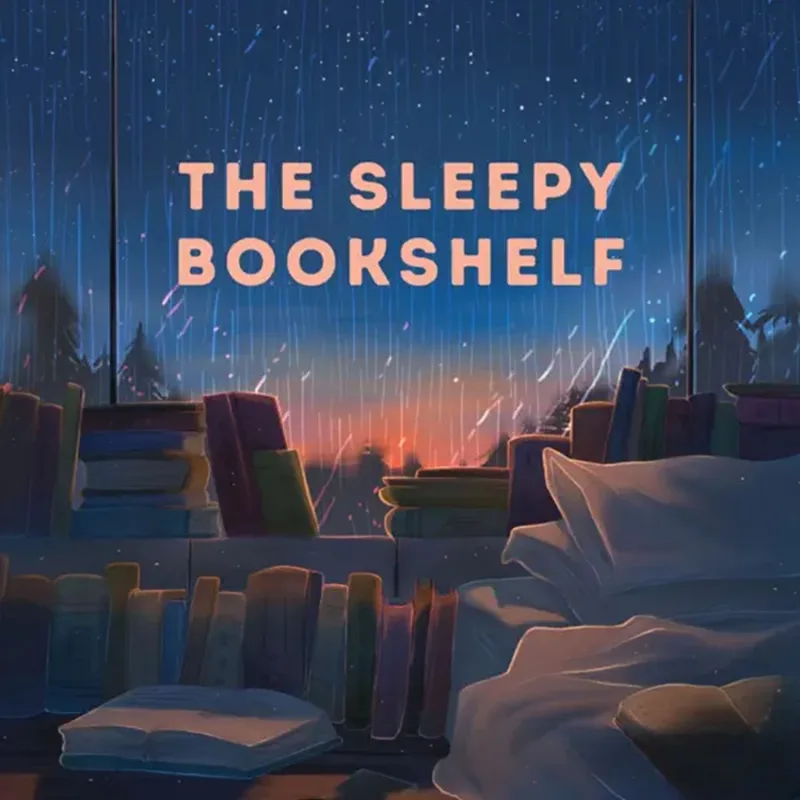
The Sleepy Bookshelf

podcast

Fiction, Health & Fitness

WISE
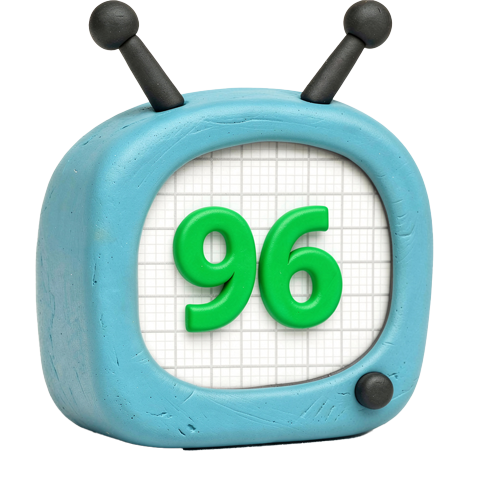
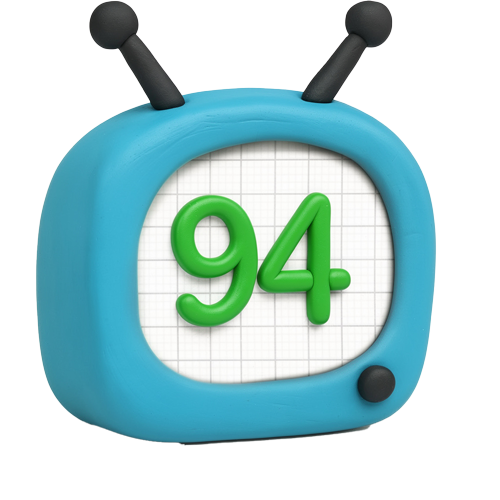
94%

WISE Score

Classic literature served with a side of melatonin; it’s the ultimate bedtime cheat code for restless minds.

Screenwise Verdict

The Sleepy Bookshelf is the gold standard for 'productive' sleep aids. It isn't just white noise or rain sounds; it’s high-quality narrative that feeds the brain while the body shuts down. If you’re trying to move away from 'one more video' at 8:00 PM, this is your best friend.

It manages to be educational without feeling like a lesson. By the time they finish a season, they've basically 'read' a classic novel, built their vocabulary, and—most importantly—actually fallen asleep without a fight.
Age Fit

Perfect for ages 4 to 99. If they can follow a basic narrative, they can fall asleep to this. It's particularly effective for 'busy-brain' kids who need a story to focus on so they don't stay up worrying.

WISE Breakdown
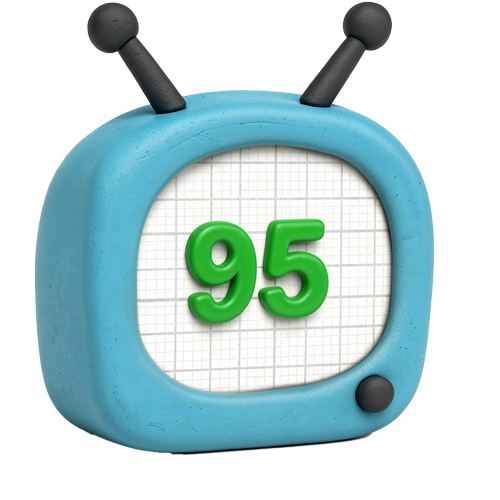
Wholesome
95

The tone is intentionally calm, gentle, and emotionally regulated. It models relaxation techniques and uses classic, often nature-focused or domestic fiction that avoids modern frantic pacing.

Imaginative
88

By using classic fiction like 'Alice in Wonderland' or 'The Secret Garden,' it leans on some of the most imaginative worlds ever written, though the low-energy delivery is meant to soothe rather than spark active play.

Safe
98

As a sleep podcast, it is specifically designed to avoid sudden noises, scary themes, or jarring transitions. It is one of the safest audio environments for a child.

Enriching
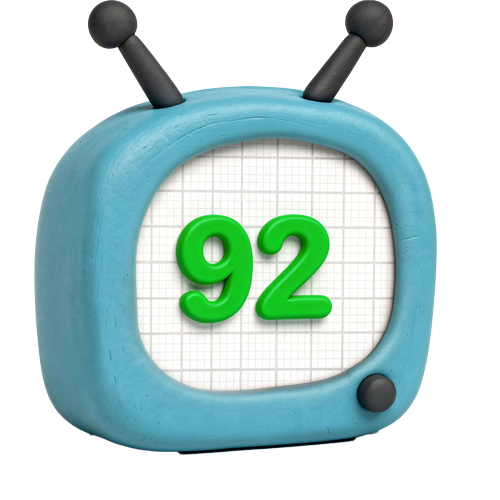
92

It builds the 'language comprehension' strand of literacy by exposing listeners to complex vocabulary and narrative structures found in classic literature.

Parent Info

Why It Might Be Great

  • Literacy-building without the struggle. Listening to complex sentence structures in classic novels builds the language comprehension side of the 'Reading Rope.'
  • Sensory reset for the end of the day. In a world of bright screens and high-decibel YouTube creators, this provides a necessary low-stimulation environment.
  • Curated classics made accessible. It’s an easy way to 'read' the heavy hitters—Anne of Green Gables, Peter Pan, The Secret Garden—without the 19th-century vocabulary fatigue.
  • Consistent routine. Every episode follows the same structure (relaxation, recap, story), which helps signal to a kid's brain that it's time to shut down.

What to Watch For

  • Outdated social norms. These are old books. While curated to be gentle, you might occasionally encounter antiquated views on gender or culture that were standard in the 1800s.
  • Premium paywalls. While many episodes are free, the full library and ad-free listening require a subscription, which might frustrate a kid who wants a specific story.

Conversation Starters

  • "Did the relaxation exercise at the beginning actually make your body feel heavier?"
  • "Why do you think stories from a hundred years ago still help people fall asleep today?"
  • "If you could pick any book for them to read next, which one would it be?"
  • "Do you find it easier to imagine the characters when you only hear their voices instead of seeing them on a screen?"

Ask Anything

Get a personalized guide on any topic