Audio-only wind-downs are the ultimate bedtime hack because they engage a kid's imagination without the blue-light spike or the "just one more video" dopamine loop that keeps them awake. If you want to end the bedtime power struggle, you stop being the one who provides the entertainment and start being the one who provides the tools.
Screen-free audio is the secret to a drama-free lights-out. Tactile players like Yoto and Lunii give kids agency over their environment, while "boring" podcasts like Nothing Much Happens and The Sleepy Bookshelf do the heavy lifting of shutting down a busy brain. It’s genuine literacy practice that actually results in sleep.
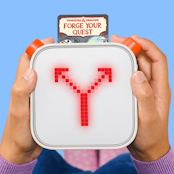
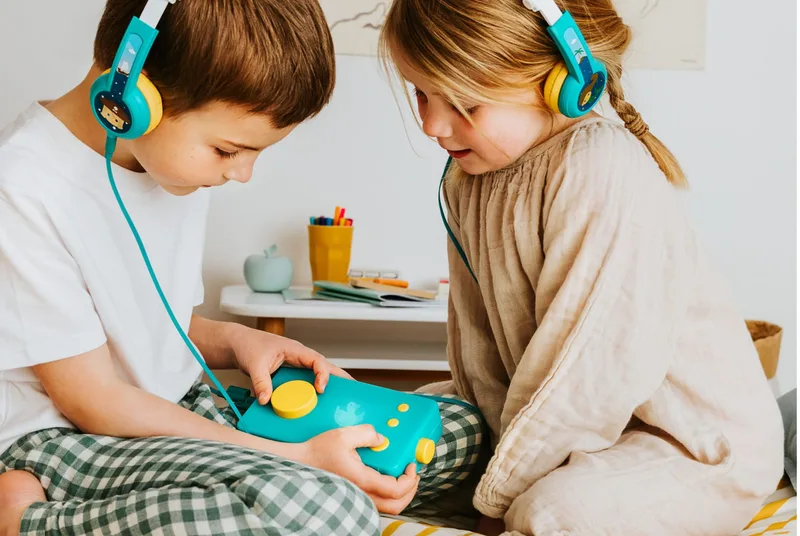
The biggest friction point at bedtime is often the loss of control. Kids spend all day being told what to do; when they hit the bedroom, they want to be the boss of something. This is why Yoto is such a powerhouse. It’s essentially a DJ booth for the 3-to-10-year-old set.
The brilliance of the Yoto is the card system. To play a story or a playlist, the kid physically inserts a card. There’s no scrolling, no "suggested for you" algorithm, and no glowing iPad face. It’s cause-and-effect in its most satisfying form. The "Make Your Own" cards are the real pro-move here—you can have a grandparent record a bedtime story from three states away, link it to a card, and your kid can "summon" Grandma whenever they feel lonely at 8:00 PM.
If your kid is more into the "choose your own adventure" vibe, Lunii (specifically the My Fabulous Storyteller) is the move. Instead of cards, kids use a dial to choose a hero, a setting, an object, and a companion. The device then "builds" a story based on those choices. It’s interactive enough to keep a 5-year-old from feeling like they’re being "put away" for the night, but calm enough that they aren't getting riled up. Just heads up: you’re buying into a proprietary ecosystem. You’ll be visiting the Lunii store for new story packs, so factor that into the long-term cost.
We’ve been conditioned to think that stories for kids need to be high-energy, high-stakes, and filled with "hooks." That’s great for a Saturday afternoon, but it’s a disaster for a Tuesday night.
Nothing Much Happens is exactly what it sounds like. The host, Kathryn Nicolai, tells stories where the "climax" might be walking to a bakery or organizing a drawer. She tells the story twice—the second time much slower. It’s a masterclass in mindfulness disguised as a "nothingburger." It gives a busy-brained kid something to anchor their thoughts to so they don't start worrying about tomorrow’s gym class or that weird thing they said three days ago.
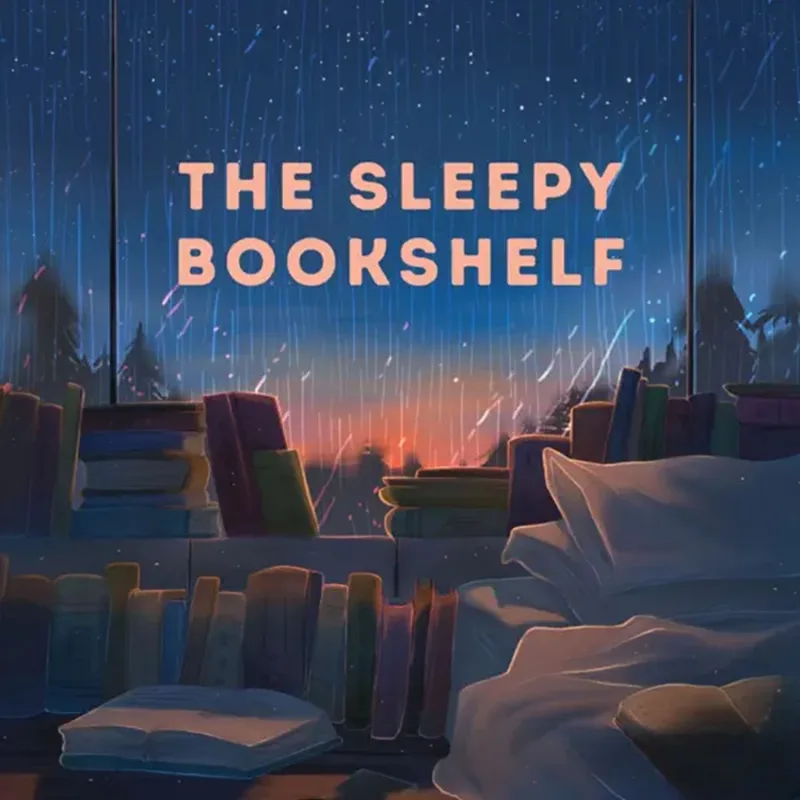
For older kids (or kids who want something a bit more "literary"), The Sleepy Bookshelf is the play. It uses classic literature—think Alice in Wonderland or The Wind in the Willows—but narrates them with a side of melatonin. It’s gentle, it’s rhythmic, and it’s surprisingly effective.
One thing to watch for: The Sleepy Bookshelf uses older books. While the curation is solid, these are products of their time (the 1800s and early 1900s). You might occasionally run into some antiquated views on gender or culture. It’s rarely a dealbreaker for a sleep podcast, but it’s worth a mention if your kid is actually staying awake long enough to analyze the text.
There’s a persistent myth that audiobooks or podcasts "don't count" as reading. That’s scientifically wrong. According to the Reading Rope—a framework used by literacy experts—reading is made of two main strands: word recognition (decoding letters) and language comprehension (vocabulary, syntax, and background knowledge).
When your kid is horizontal in the dark listening to The Sleepy Bookshelf, they are doing high-level literacy work. They’re hearing complex sentence structures and "rare" words they wouldn't find in a typical cartoon.
- Audio builds the comprehension strand. It keeps their "vocabulary bank" growing even if they’re still struggling to decode words on a page.
- It keeps the love of stories alive. For a kid with dyslexia or a reluctant reader, audio is a lifeline. It proves that books are worth the effort of learning to read.
- It’s a sensory reset. Moving from a day of bright screens to a night of pure audio helps the nervous system downshift.
For more on building these habits, check out our best books for kids list or our best podcasts for kids list.
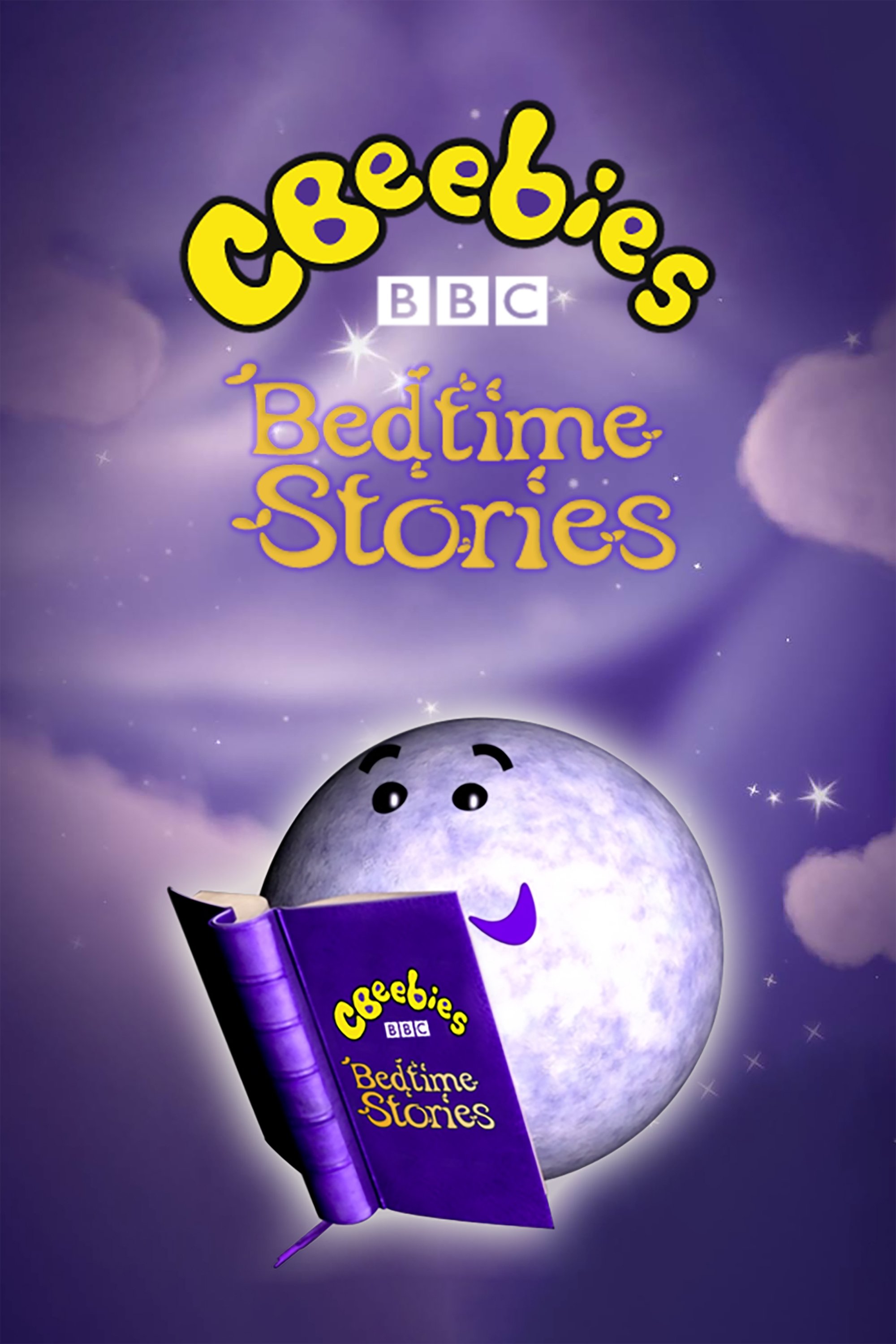
If you have a toddler who treats bedtime like a combat sport, you need a transition ritual that feels like a reward, not a punishment. CBeebies Bedtime Stories is the MVP here.
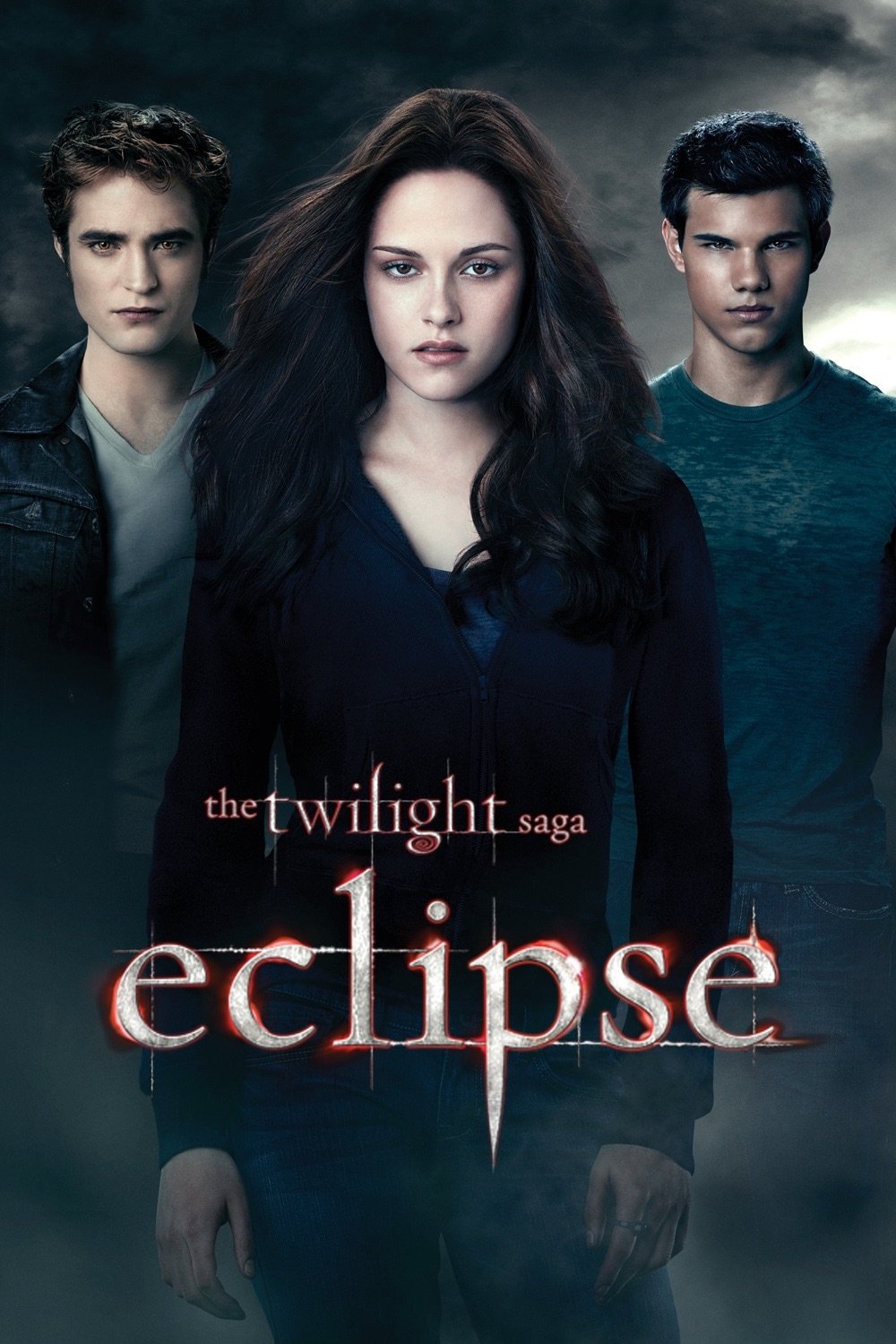
Yes, it’s technically a show, but the format is so low-stimulation (it’s literally just a celebrity reading a picture book) that it functions more like a video-call from a very calm friend. When you have Tom Hiddleston or Dolly Parton reading a story, the "cool factor" is high enough to get a 4-year-old to actually sit still. The move is to use this as the final screen of the day—the bridge between the living room and the bed. Once the story is over, the screen goes away, and the audio player (like the Yoto) takes over for the actual drift-off.
The biggest friction point with screen-free audio isn't the content—it's the logistics.
- The "Card Under the Fridge" Factor: If you go with a Yoto, buy a card binder or a dedicated box immediately. Those cards are small, and losing the "favorite" story at 7:45 PM is a recipe for a meltdown.
- Wi-Fi Friction: Most of these devices (and podcasts) need a connection to update or download new content. Do the syncing at 4:00 PM, not at bedtime when the router is acting up and your kid is already rubbing their eyes.
- The "Boring" Threshold: If your kid is used to high-octane YouTube slop, Nothing Much Happens might feel frustrating at first. Pitch it as a "sleep trick" or a "brain hack" rather than just a story.
Q: Does listening to stories count as "screen time" if it's on a phone? Technically, no—if the screen is off or face-down. The goal is to eliminate blue light and the visual "pull" of the interface. Using a dedicated device like a Yoto is better because it removes the temptation for the kid to start clicking around your apps, but a podcast on a locked phone works in a pinch.
Q: What age is a Yoto player best for? The sweet spot is ages 3 to 10. Toddlers love the tactile "put card in, hear music" mechanic. Older kids (8-10) use it for longer chapter books and educational podcasts like Brains On!. Once they hit middle school, they’ll likely want to move to a phone or a simple MP3 player.
Q: Is Lunii better than Yoto? It depends on your kid. If they love "building" things and having a say in the plot, Lunii wins. If you want a vast library of existing books (Disney, Roald Dahl, etc.) and the ability to record your own content, Yoto is the superior platform.
Q: How do I get my kid to stop playing with the audio player and actually sleep? Set the "night light" mode (available on Yoto) to a specific color that means "hands off." Most parents find that after the initial novelty wears off (about 3-4 nights), kids stop treating it like a toy and start treating it like a pillow—something that’s just there to help them get comfortable.
If you’re ready to build a better bedtime, start with one hardware piece and one "boring" podcast.
- Check out the digital guide for preschoolers for more low-stim options.
- Explore our best podcasts for kids list for daytime listening that isn't designed to put them to sleep.
- Find more screen-free audio players