

Bedtime podcasts are the ultimate parenting hack because they offload the "one more story" demand to a professional whose entire job is to be more boring than you are. By the time the host gets to the second description of a rain-drenched windowsill, your kid is out, and you’re finally off the clock.
For kids who struggle to shut their brains off, bedtime podcasts like "Nothing Much Happens" and "Sleep With Me" use "boring" storytelling to induce sleep. If you want to sneak in classic literature or cultural history while they drift, try "The Sleepy Bookshelf" or "Folktales from Sudan". It’s genuine literacy practice that builds vocabulary and narrative comprehension without the blue light of a screen.
If you feel guilty about swapping a physical book for a podcast, stop. Modern reading science—specifically the Reading Rope—tells us that literacy isn't just about decoding letters on a page; it’s also about language comprehension. When kids listen to complex sentence structures, rich vocabulary, and diverse narrative arcs in a podcast, they are building the comprehension half of the literacy rope.
For the "busy-brain" kid who finds staring at a page frustrating at 8:00 PM, audio is a pressure valve. It keeps the love of stories alive while their brain is too tired for the heavy lifting of decoding. It's not a shortcut; it's a different, equally valid workout for the brain.
Some podcasts aren't trying to win an Oscar; they’re trying to win a nap. These are the "nothingburgers" of the audio world—low stakes, slow pacing, and zero adrenaline.
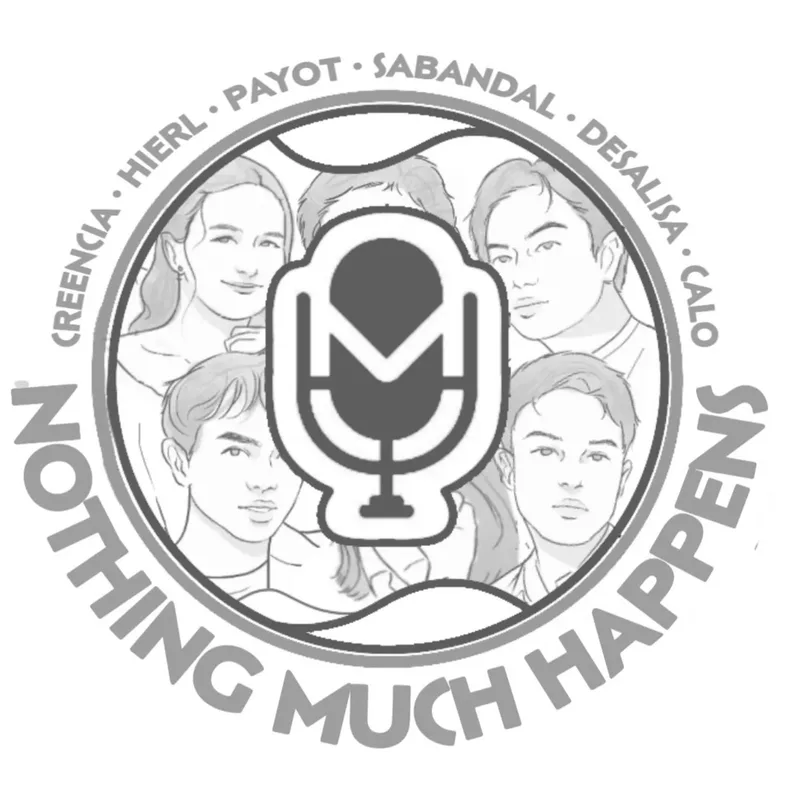
This is the gold standard for intentional boredom. The host, Kathryn Nicolai, tells a story where, as the title suggests, nothing much happens. Maybe someone buys a loaf of bread. Maybe they look at a garden. The genius is in the repetition: she tells the same story twice, the second time much slower and with more pauses.
It’s a secret weapon for parents of toddlers and stressed-out teens alike. It functions as mindfulness training disguised as a story. Watch for: If your kid actually wants to know "what happens next," they will be annoyed. This is for the kid who needs a sensory reset, not a plot.
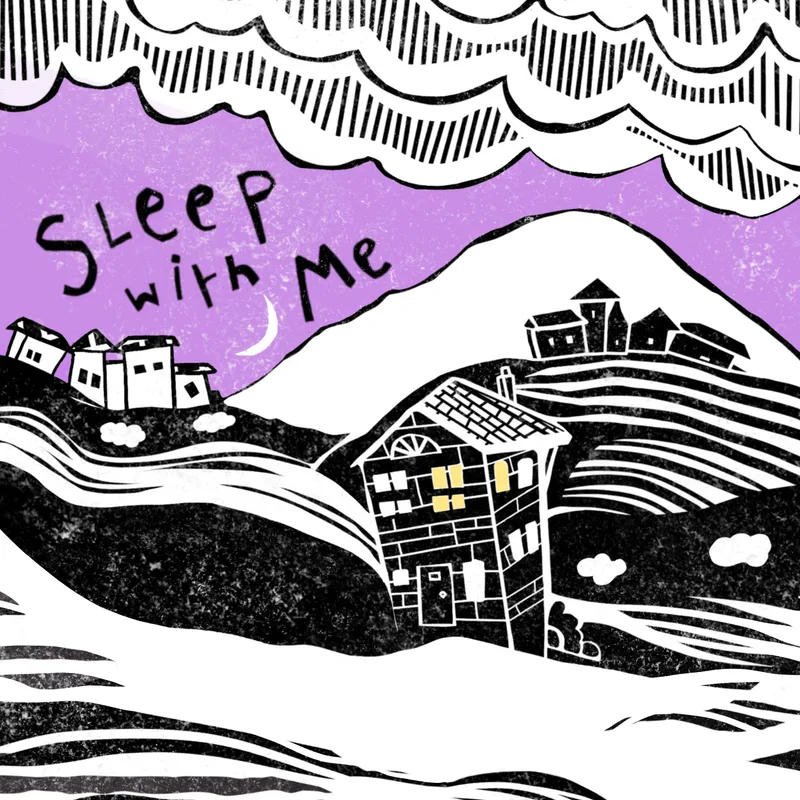
Drew Ackerman (known as Scooter) has mastered the art of the "bore-friend." He has a gravelly, creaky voice that feels like a warm hug from a slightly confused uncle. The stories are meandering and purposefully nonsensical.
The move here: You have to know about the legendary long intro. Scooter spends the first 15–20 minutes rambling about sponsors and the podcast’s mission. Some kids find this repetition incredibly soothing; others will want you to skip to the 20-minute mark where the "story" actually starts. It’s perfect for kids ages 6 and up who have racing thoughts and need a voice to follow into the fog of sleep.
If you want the last twenty minutes of the day to feel a bit more "educational" without being a chore, these picks lean into classic literature and high-end production.
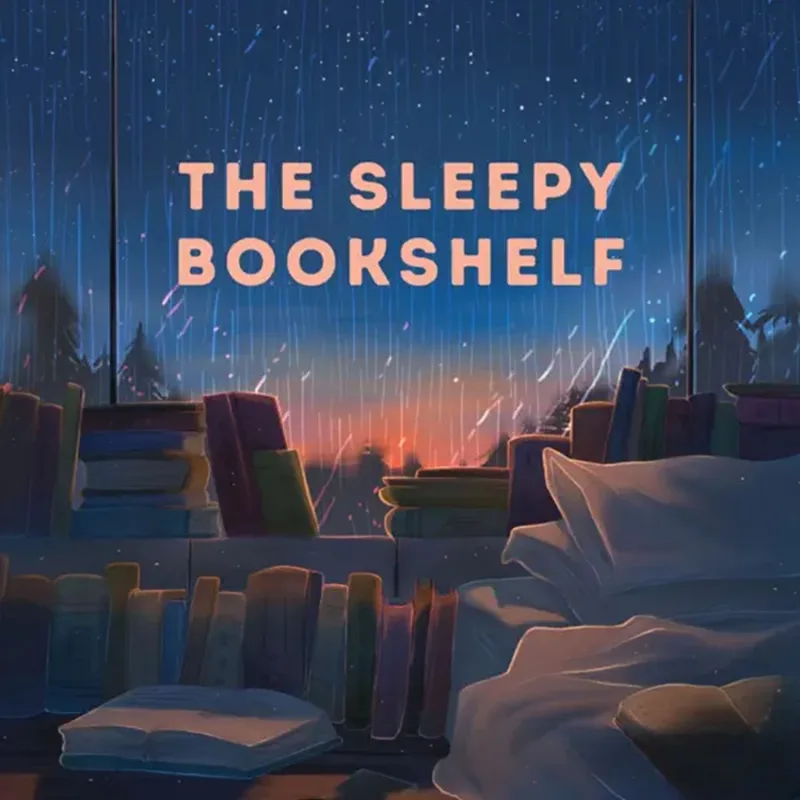
Think of this as classic literature served with a side of melatonin. The host narrates adapted versions of public domain works—think Alice in Wonderland or The Secret Garden—specifically paced for sleep. Each episode starts with a quick relaxation exercise and a summary of the last chapter, so it doesn't matter if they conked out ten minutes into the previous night.
This is a literacy-building cheat code. It exposes kids to the complex syntax of the 1800s without the struggle of reading it themselves. Watch for: These are old books. While the podcast curates for gentleness, you might occasionally bump into outdated social norms or antiquated views on gender that were standard when the books were written. Use it as a conversation starter if they’re awake enough to notice.
This is the outlier on the list because it’s actually exciting. It’s a full-cast audio drama with orchestral scores and cinematic sound design. It adapts 19th-century moral literature into high-stakes adventures.
Because the production value is so high, it builds incredible listening stamina. However, the intensity of the audio effects (thunder, shouting, creaking doors) might be too much for sensory-sensitive kids right at the moment of sleep. This is better for the "wind-down" period while they’re brushing teeth or doing a quiet puzzle before hitting the pillow. It’s best for ages 6 and up due to the dense vocabulary.
Bedtime doesn't have to be limited to the same five European fairy tales we’ve all heard a thousand times.
Award-winning journalist Hana Baba brings traditional Sudanese folklore to life with incredible warmth. This is professional storytelling at its best. It introduces kids to African storytelling traditions and cultural contexts that rarely get screen time in mainstream media.
It hits the sweet spot for ages 4–12. Younger kids just enjoy the rhythm of the oral tradition, while older kids will pick up on the moral lessons and the unique cultural details. It’s a great way to expand their world while they’re closing their eyes to it.
If your kid becomes a podcast devotee, don't just set it and forget it. Every few days, ask them about the "nothing" that happened in their story. It’s a low-stakes way to practice narrative recall.
Also, pay attention to the hardware. If they’re using a tablet or phone, turn the brightness all the way down and put it face-down. The goal is to break the "screen-stare" habit. Better yet, use a smart speaker or a dedicated audio player to keep the phone out of the bedroom entirely.

Q: Are podcasts okay for bedtime? Yes, and for many kids, they’re better than books because they allow the child to close their eyes and focus entirely on the audio. It removes the visual stimulation of a screen or even the focused light needed for reading, which helps the brain transition into sleep mode.
Q: What age can kids start listening to bedtime podcasts? Most kids can start around age 3 or 4, once they have the language skills to follow a basic narrative. Shows like "Nothing Much Happens" work even for toddlers because the tone is more important than the plot.
Q: Do audiobooks and podcasts count as reading? They count as language comprehension, which is one of the two core pillars of literacy. While they don't help with "decoding" (mapping sounds to letters), they are essential for building vocabulary, understanding narrative structure, and developing verbal reasoning.
Q: Will my kid actually fall asleep to these? The "boring" podcasts are specifically engineered to trigger the brain's relaxation response. By providing just enough narrative for the brain to latch onto, they prevent the "racing thoughts" that keep many kids awake, eventually leading to sleep through sheer lack of excitement.
Bedtime podcasts aren't just a way to get out of reading one more story—they’re a way to build a kid’s "inner ear" for language and storytelling. Whether you’re using the "bore-friend" method of "Sleep With Me" or the classic vibes of "The Sleepy Bookshelf", you’re giving them a screen-free way to end the day.
For more audio options that work for car rides or daytime listening, check out our best podcasts for kids list. If you’re looking for more ways to manage the evening routine, our digital guide for elementary school has you covered.