Our reviews and ratings are 100% unbiased. Screenwise is a Bookshop.org affiliate and an Amazon Associate, so if you buy a book through one of our links, we may earn a commission. Bookshop.org purchases also support independent bookstores.
Screenwise Verdict
This is Riordan at the top of his game. It’s the point in the series where everything clicks—the two casts of characters finally merge, the stakes get global, and the humor stays sharp.
It’s not 'brain rot' fantasy; it’s well-constructed, emotionally resonant storytelling that actually respects the intelligence of its readers. Just be prepared to have the next book, The House of Hades, ready immediately, because that ending is a killer.
Age Fit
Perfect for the 10-14 crowd. If they've made it through the first two Heroes of Olympus books, they're ready for the stakes to ramp up here.
WISE Breakdown
Wholesome
88
Riordan nails the 'found family' dynamic. Even when the Greek and Roman demigods are literally at each other's throats, the core focus is on loyalty, overcoming prejudice, and working together despite massive cultural differences.
Imaginative
94
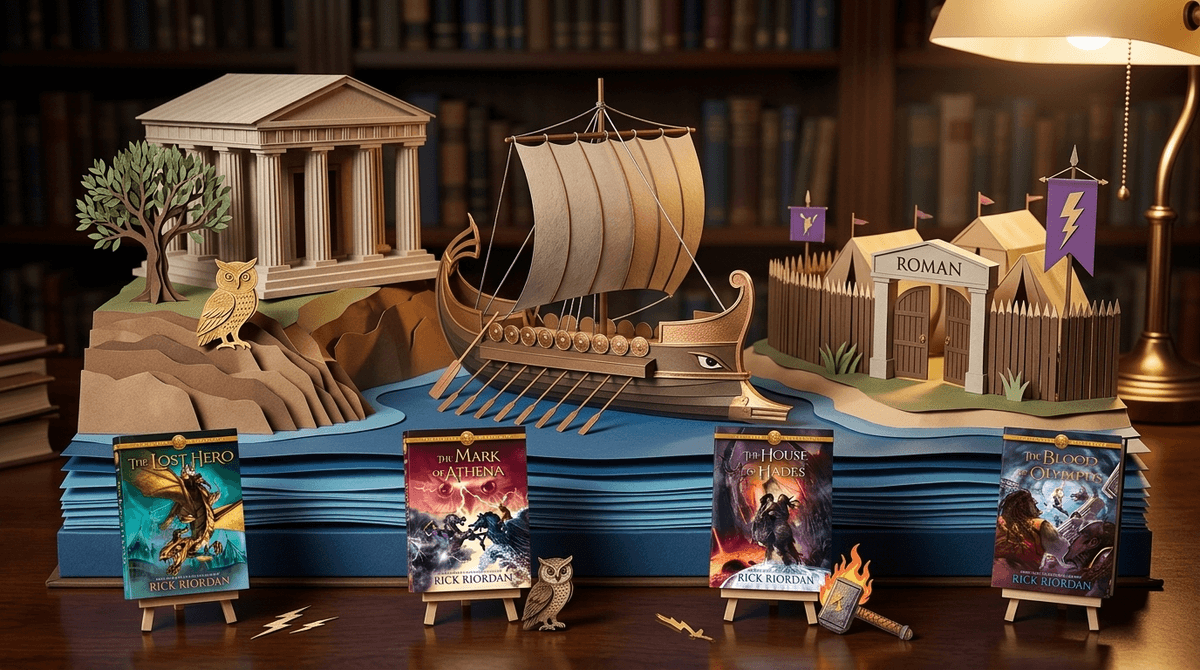
The Argo II is a mechanical masterpiece, and the way Riordan weaves Roman history into modern-day locations is top-tier. It turns a trip to Rome into a scavenger hunt for ancient secrets.
Safe
85
It's middle-grade fantasy, so expect plenty of sword-fighting and monster-dusting. The ending is a massive emotional gut-punch (the cliffhanger is legendary), but there's nothing here that's inappropriate for a 10-year-old who has read the previous books.
Enriching
90
It’s a masterclass in making mythology feel relevant. Kids will accidentally learn more about Roman architecture and Greek gods than they ever would from a textbook, all while exploring themes of leadership and fear.
Parent Info
✓
Why It Might Be Great
Annabeth finally takes center stage, proving that brains and strategy are just as cool as lightning bolts and ocean powers.
The tension between the Greek and Roman camps is a great look at how bias and misunderstanding can fuel conflict.
It’s genuinely funny; Riordan's snarky narrative voice hasn't lost its edge by book three.
It makes classical history feel like a high-stakes action movie rather than a dusty lecture.
⚠
What to Watch For
The ending is intense and ends on a literal cliffhanger that might leave younger or more sensitive readers pretty stressed out.
Standard fantasy violence—monsters get stabbed, characters get injured, and there's a constant sense of peril.
Conversation Starters
"Why was Annabeth so worried about Percy changing? Do you think people really change that much when they're away from their friends?"
"The Romans and Greeks have totally different ways of doing things. Which 'camp' would you fit into better?"
"If you had to build a ship like the Argo II, what weird features would you add to it?"
"Athena told Annabeth to 'avenge' her. Does revenge ever actually make things better in these stories?"