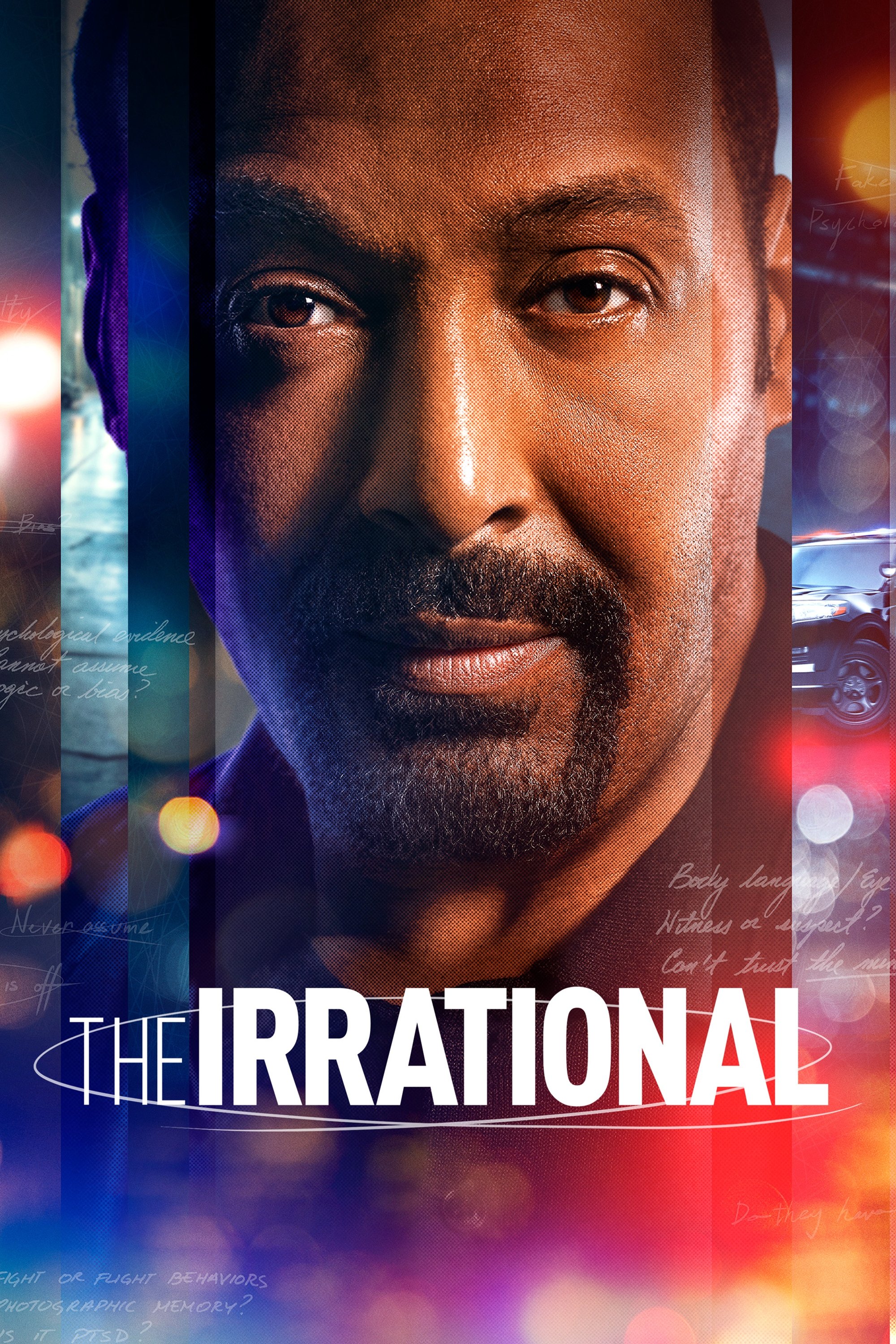
The "Smart" Procedural Trap
Critics were notably cold toward this series, landing it a 47% on Rotten Tomatoes, while the audience score sits at a much healthier 73%. That gap tells you everything you need to know. Critics are tired of the "eccentric genius helps the police" trope that we've seen a thousand times, but for a family looking for a Tuesday night anchor, that familiarity is actually the draw.
It’s what some reviewers called "stubbornly mediocre," but in the context of modern TV, that often just means it’s reliable. It doesn't demand you watch six seasons of backstory to understand the current episode. If your teen is starting to age out of sitcoms but isn't quite ready for the grim-dark intensity of prestige cable dramas, this is the perfect bridge. It’s smart enough to spark a conversation without being so complex that you can’t fold laundry while watching it.
Psychology as a Superpower
The show’s real hook isn't the crimes—it's the "behavioral science" hacks. Alec Mercer doesn't look for fingerprints; he looks for cognitive biases. This makes it a great companion piece for kids who are currently obsessed with "life hacks" or social engineering videos on TikTok. It frames human error not as a failure, but as something predictable.
If you have a kid who loved the "mentalist" vibe of older procedurals or someone who is genuinely curious about why people make bad decisions under pressure, this hits the spot. It's essentially a dramatized version of a pop-psychology bestseller. You’ll see Mercer use tactics like "anchoring" or "loss aversion" to crack a suspect, and while the science is simplified for TV, it’s grounded enough to be useful in real-world discussions about how marketing or peer pressure works.
Where it Fits in Your Rotation
Since we’re currently looking at the NBC Renewals: A Parent’s Guide to the 2026 TV Shuffle, it’s worth noting where this fits in the broader network landscape. It’s less "action-heavy" than the Chicago franchise and less "soap-opera" than The Voice. It occupies that middle ground of intellectual curiosity.
If your teen found the psychological tension of The Patient a bit too claustrophobic or dark, The Irrational offers a much lighter, more episodic alternative. It deals with heavy themes—specifically Mercer’s history as a bombing survivor—but it handles them with a network-TV safety net that keeps things from becoming truly depressing.
The "If They Liked X" Move
If your household spent the last year binging old episodes of House or Elementary, this is the natural next step. It follows that exact "jerk-with-a-heart-of-gold-who-is-smarter-than-everyone" formula. The difference here is that Mercer is actually likable. Jesse L. Martin brings a warmth to the role that prevents the character from feeling like a cold, calculating machine.
For parents, the value here is in the "how to think" aspect. It’s a show that rewards observation and logic. It’s not a masterpiece, and it won’t win any "prestige" awards, but it’s competent television that won't make you feel like your brain is melting. Use it as a low-stakes way to introduce your kids to the idea that our brains are often our own worst enemies.