The "Part 1" problem
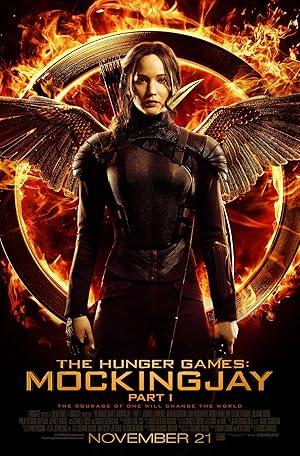
Back in 2014, every major YA franchise decided its final book absolutely had to be two movies. It was a transparent cash grab then, and it remains the biggest hurdle for anyone watching Mockingjay today. Because the story is stretched thin, the pacing is glacial. If your kid is coming off the high-stakes adrenaline of the first two films, they might feel like they’ve hit a wall.
The IMDb score sits at a 6.6 for a reason: this is a movie where people sit in bunkers and talk about the war rather than actually fighting it. It’s essentially a two-hour marketing meeting for a revolution. If you have a kid who lives for the "game" aspect of the series—the survival, the traps, the arena—they are going to be bored. But if you have a teen who is starting to get into political thrillers or high-stakes drama, there is a lot of meat on these bones.
Media literacy as a survival skill
The most interesting thing about Mockingjay isn't the archery; it's the propaganda. The film spends a massive amount of time showing how District 13 "packages" Katniss to inspire the rebels. We see her struggle to act in front of a green screen, the way her handlers script her "spontaneous" moments, and how the Capitol responds with its own polished counter-narratives.
In a world of deepfakes and viral misinformation, this is actually a fantastic entry point for a conversation about how media is manufactured. It’s worth checking out The Hunger Games: A Parent's Guide to Violence, Themes, and Age-Appropriateness for a broader look at how these themes evolve across the series, but Mockingjay is where the franchise stops being about survival and starts being about influence.
Trauma and the "Broken Hero"
Jennifer Lawrence plays Katniss as someone who is visibly, undeniably shattered. Unlike many action heroes who shrug off a near-death experience with a quip, Katniss is dealing with heavy-duty PTSD. She’s shaky, she’s reactive, and she’s being used by her "allies" just as much as she was by her enemies.
This makes for a pretty bleak viewing experience. The Rotten Tomatoes audience score of 71% reflects that shift—it’s a "good" movie, but it’s not exactly a fun Saturday night watch. If your teen is currently obsessed with the psychological grit of The Naturals series, they’ll likely appreciate the focus on Katniss’s mental state. If they’re looking for a lighthearted parody, steer them far away from The Starving Games, which is a hard skip for entirely different reasons.
How to watch it well
Don't try to watch this as a standalone movie. It’s the first half of a four-hour finale. If you can, queue it up for a weekend where you have time to jump into Part 2 soon after, because the cliffhanger ending is brutal.
Keep an eye out for the hospital scene in District 8. It’s the emotional peak of the movie, and it’s a rare moment where the "action" feels like it has real, devastating consequences rather than just being a spectacle. It’s the moment where the "Mockingjay" becomes real, and it’s the best argument for why this story needed to be told, even if the pacing is a slog.