The immigrant story as a ghost story
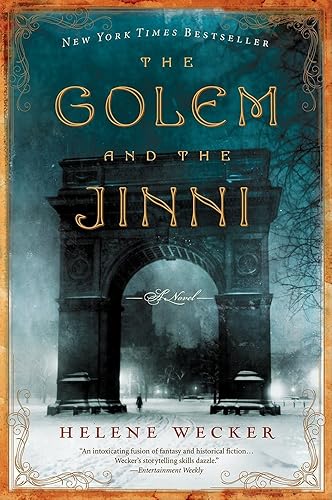
Most fantasy novels use magic to escape reality. Helene Wecker uses it to pin reality to the floor. By setting the story in 1899 Manhattan, she treats the immigrant experience like a supernatural survival horror. Chava, the golem, isn't just a clay monster; she is a woman who can hear the internal desires and anxieties of every person she passes on the street. It’s a literalization of the sensory overload of moving to a new country.
If your teen is interested in books with Jewish characters, this offers a much more grounded, historical perspective than the typical "chosen one" narrative. It treats the Lower East Side and "Little Syria" with as much reverence as the magic itself. Wecker’s world-building feels "quaint and enticing" according to critics, but the stakes are rooted in very human fears: being found out, being alone, and being used by people who don't see you as human.
Why it’s not "YA" (and why that’s good)
The book is often shelved near young adult titles because of the "magic" label, but the pacing is strictly adult. It’s a slow-burn. The jinni, Ahmad, isn’t a wish-granting sidekick; he’s a cynical, arrogant being bound by an iron band who spends his nights wandering the city in a state of existential boredom.
The friction comes from the philosophical clash between the two leads. Chava is built to obey; Ahmad is built for total freedom. Watching them navigate those extremes is more rewarding than any action sequence. If your reader is used to the high-octane "spice" or constant battles in something like The Rebel and the Rose, they might find the first 200 pages frustratingly quiet. But for the kid who liked the weird, intellectual energy of The Master and Margarita, this will be right in their wheelhouse.
The pivot to the dark side
The "darkness" mentioned in the ratings isn't just a marketing buzzword. While the first half is a beautiful character study, the second half introduces a threat that involves "dark Kabbalistic magic" and ancient wizards with very modern, very predatory intentions.
The violence isn't gratuitous, but it is heavy. When the golem’s nature takes over, it’s messy and disturbing because we’ve spent so much time seeing her try to be "good." It’s a book about the loss of agency. If you have a reader who is particularly sensitive to themes of being controlled or manipulated, you might want to talk through the ending with them. It’s a "marvelous and absorbing" debut, but it doesn't pull its punches when the folklore gets real.
How to read it
This is a "winter book." It’s dense, atmospheric, and demands a certain level of focus to keep the various immigrant subplots straight. It’s the perfect choice for a teen who feels they’ve "outgrown" the standard fantasy tropes and wants a story that treats them like an adult. You don’t need to know anything about Yiddish or Middle Eastern folklore to get into it, but you do need the patience to let the two main characters finally find each other in the crowd.