If you’ve spent any time in the self-help aisle over the last decade, you know Brené Brown is less of an author and more of a cultural tectonic shift. This 10th-anniversary edition of The Gifts of Imperfection isn't just a reprint; it’s a refined version of the book that basically invented the modern "vulnerability" conversation. If you’re looking for reads for when you’re tired of being the strong one, this is the foundational text.
The "Kitchen-Table" Friction
Brown calls herself a "researcher-storyteller," which is code for "I have the data to back this up, but I’m going to tell it to you over a drink." It works because she doesn't pretend to have her life together. She’s open about her own breakdowns and perfectionist spirals. However, there is a specific friction point you should know about before buying: the "spirituality" factor.
While Brown is a social scientist, she doesn't scrub the spiritual language from her findings. She talks about "wholeheartedness" as a way of engaging with the world from a place of worthiness, and that often involves a connection to something larger than oneself. If you’re a strictly secular reader, you might find yourself doing some mental translation when she leans into faith-based concepts. As some reviewers on Reddit have pointed out, if you’re looking for a purely clinical or atheistic approach, the "God" talk—even if it's broad—might feel alienating.
The Guidepost Reality Check
The meat of the book is the ten guideposts. These aren't "hacks" for your morning routine; they’re more like a slow-motion unlearning of everything we think makes us "good" parents and people.
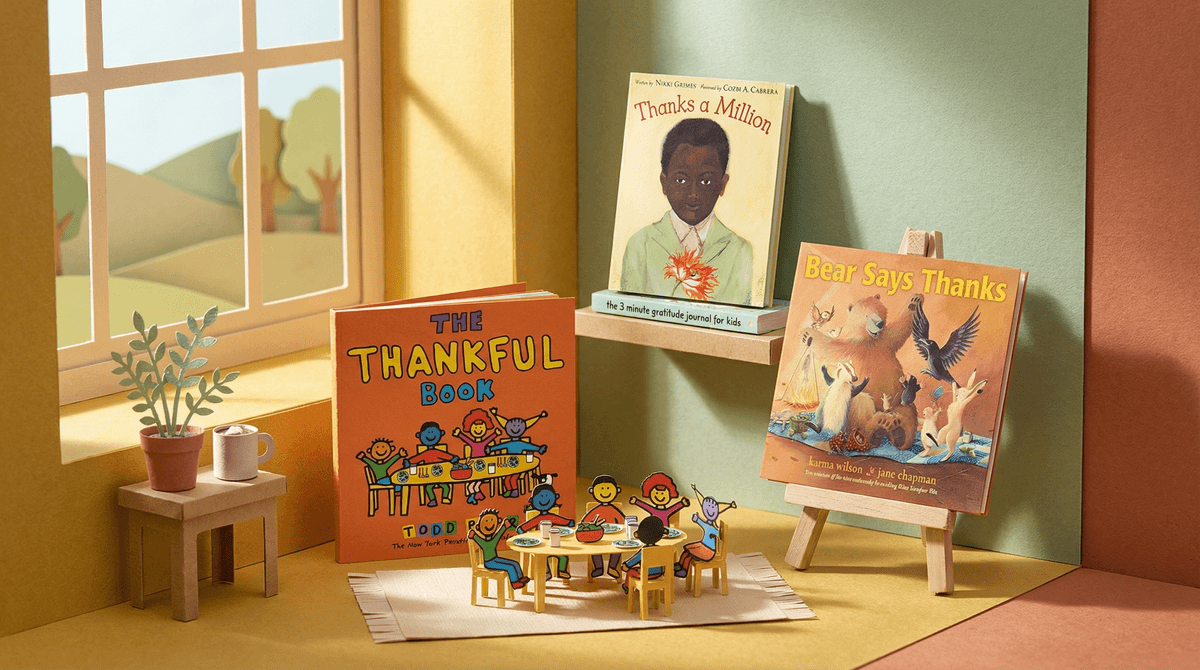
- Guidepost #4 (Cultivating Gratitude and Joy) is a standout because it links the two in a way that feels counterintuitive. You don't have joy because you're lucky; you have joy because you're practicing gratitude. For parents trying to bake this into their home life, gratitude books for kids can help bridge the gap between Brown’s high-level research and a five-year-old’s daily reality.
- Guidepost #7 (Cultivating Play and Rest) is the one that usually hits parents the hardest. In a culture that treats exhaustion as a status symbol, Brown argues that play is as essential to our health as food. It’s a direct attack on the "hustle" culture that many of us accidentally model for our children.
Why it sticks in 2026
Even though the original work is years old, this 2022 edition feels more relevant because the "comparison trap" has only gotten more aggressive with social media. We aren't just comparing ourselves to the neighbors anymore; we’re comparing our messy Tuesdays to a stranger’s curated highlight reel.
Brown’s work is the antidote to that performance. It’s not a "how-to" for raising perfect kids; it’s a "how-to" for being an authentic adult, which is the only way to actually teach your kids that they are enough. If you can get past the occasional "self-help" fluff, the core message—that your story matters because you matter—is a heavyweight truth that holds up under pressure. For more on the research behind her work, you can check out Brown's official site, which hosts a wealth of companion tools and worksheets.