The "Brallie" elephant in the room
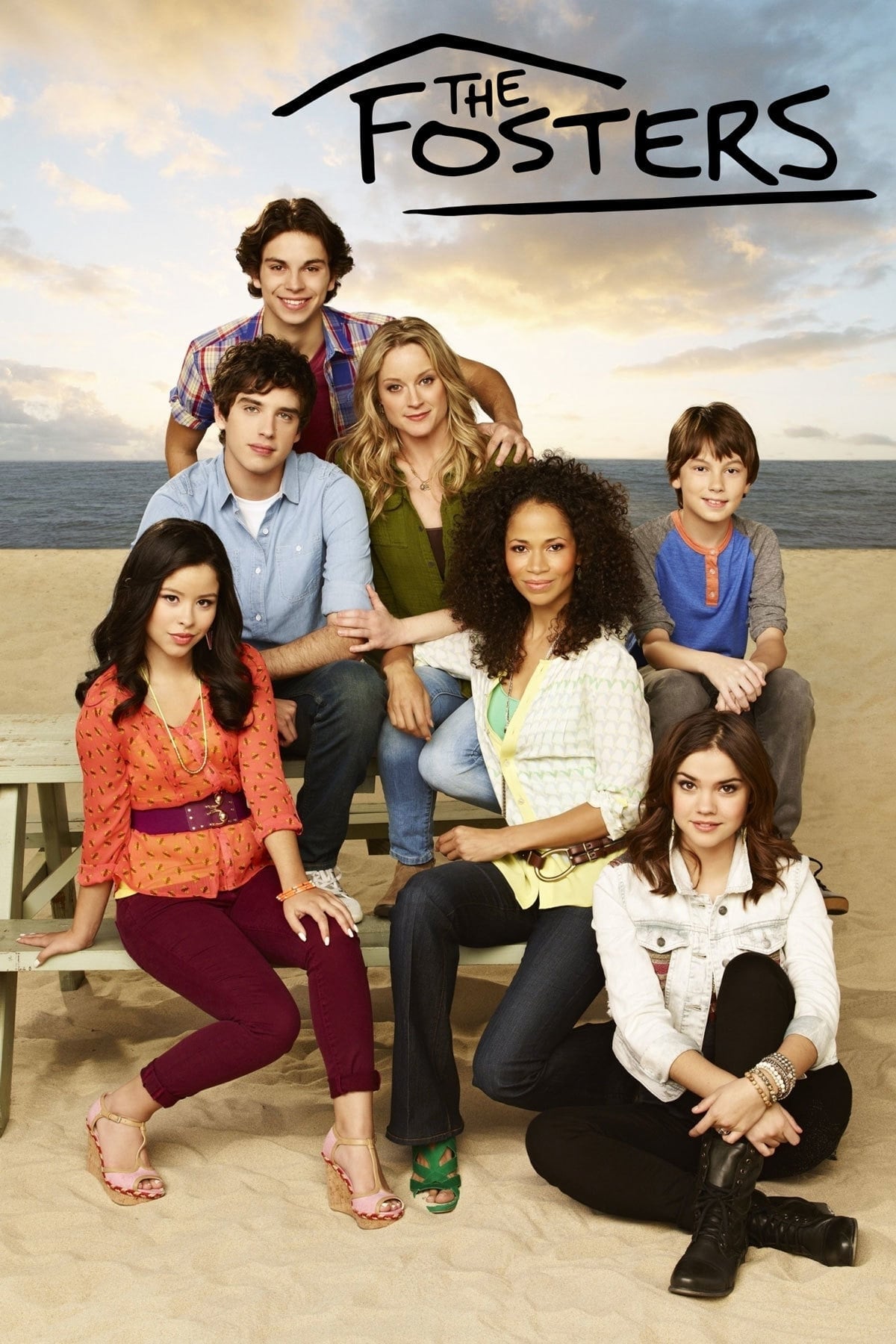
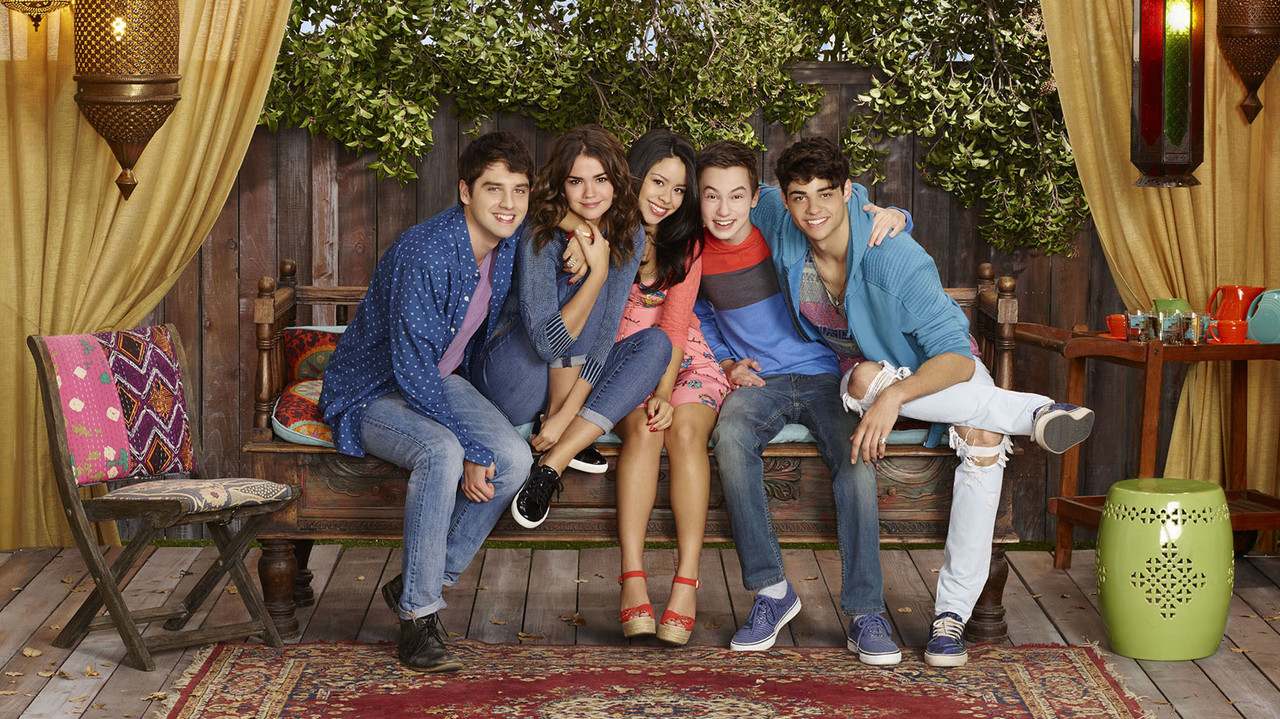
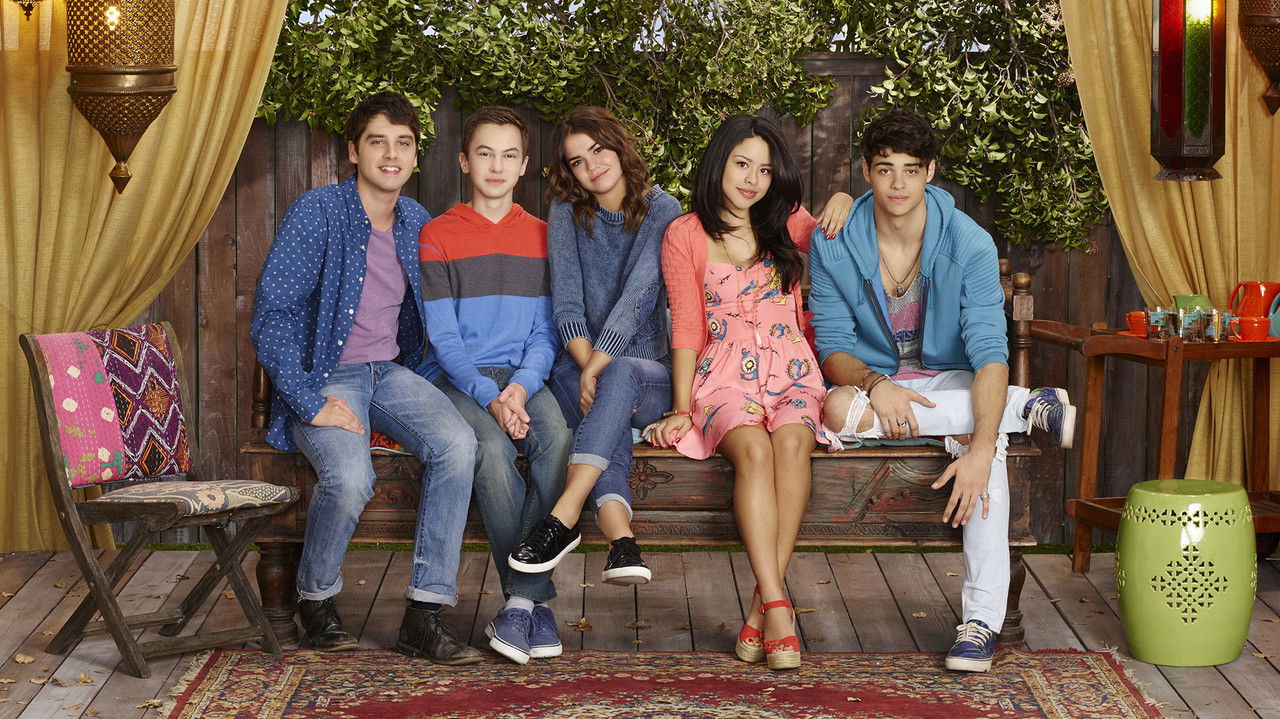
If you spend more than five minutes in a fan forum for this show, you’ll hit the Brandon and Callie discourse. It is the defining friction of the early seasons. Brandon (David Lambert) is the biological son; Callie (Maia Mitchell) is the foster daughter. They aren't blood-related, but they share a kitchen table and parents. The show chooses to lean into the romantic tension between them rather than shy away from it. It’s polarizing. For some parents, this is a dealbreaker because it feels "off." For others, it’s a realistic—if dramatized—look at the messy boundaries that can happen in blended families. If you’re watching with a teen, this is the plot point they will have the most opinions on.
A brutal look at the system
While the show has plenty of gloss, its depiction of the foster care system is genuinely gritty. It doesn't treat foster kids like charity cases or magical additions to the family. Callie and Jude arrive with survival instincts that often look like defiance or secrecy. The show is at its best when it focuses on the legal and emotional hurdles of adoption. The "system" is often the true villain here. If your teen is interested in complex family dynamics, they’ll find the power struggle between the biological parents and the foster parents far more interesting than the standard high school dating drama.
Not your average "TV parents"
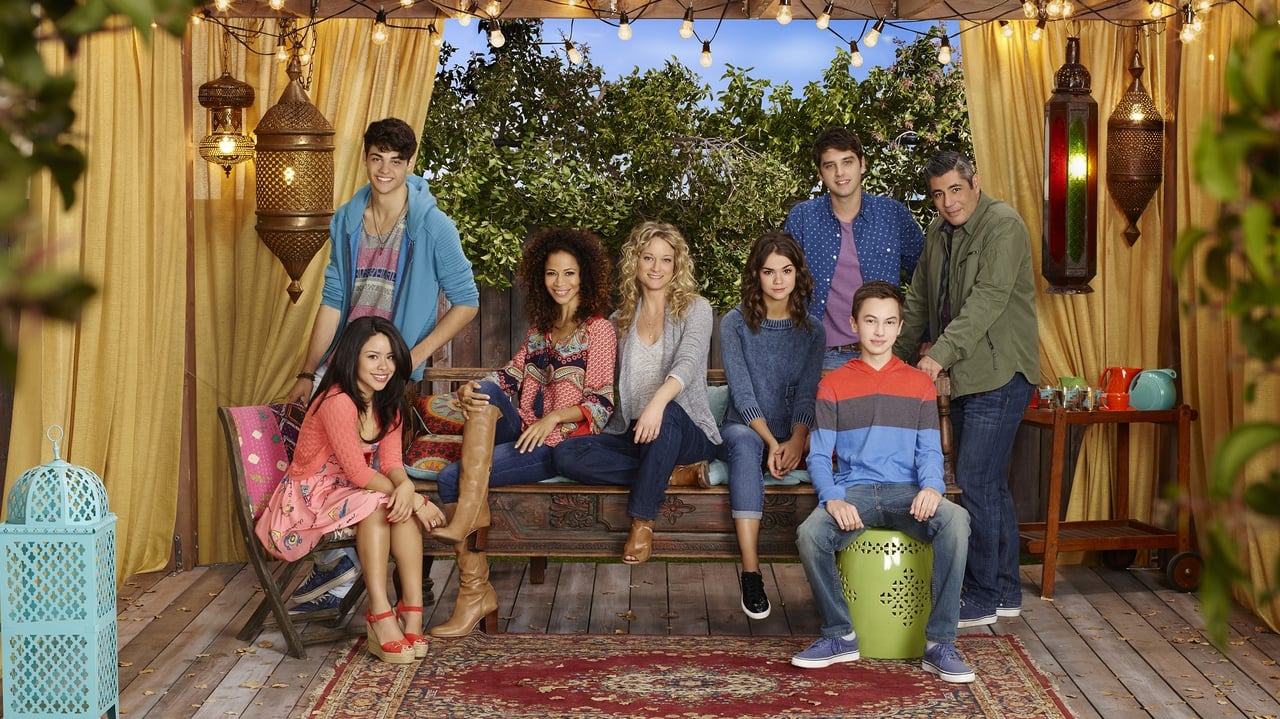
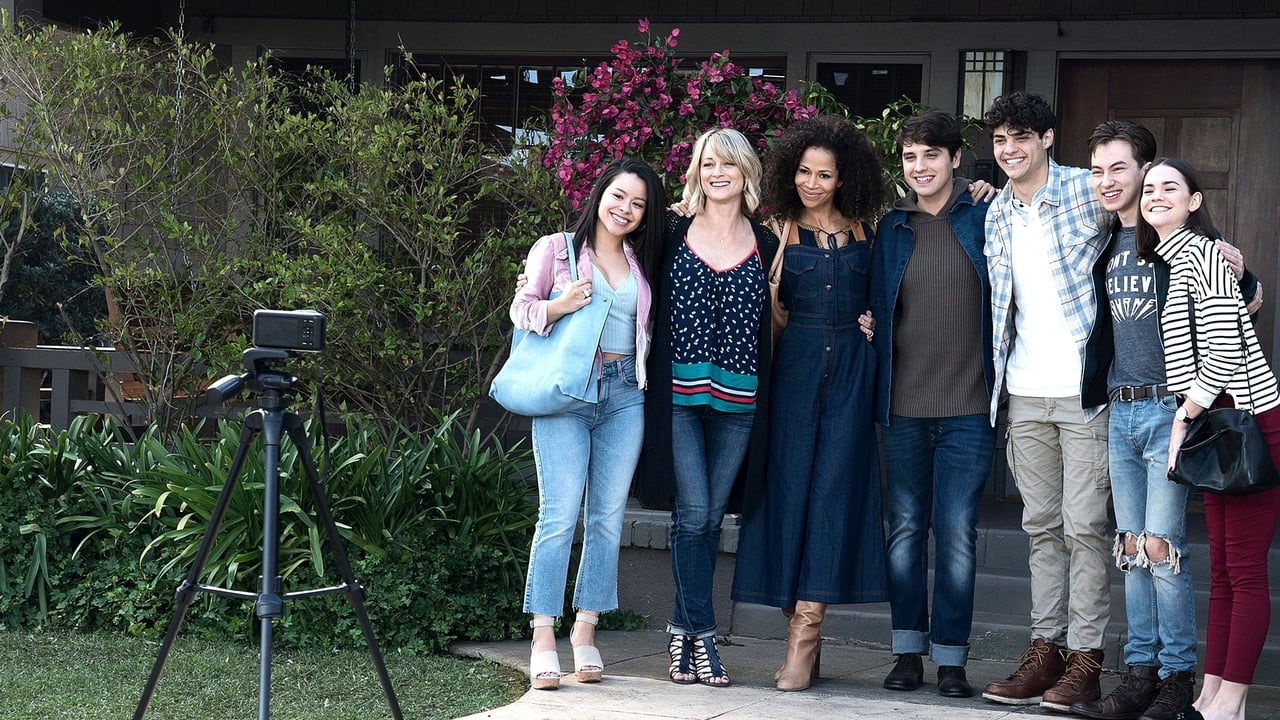
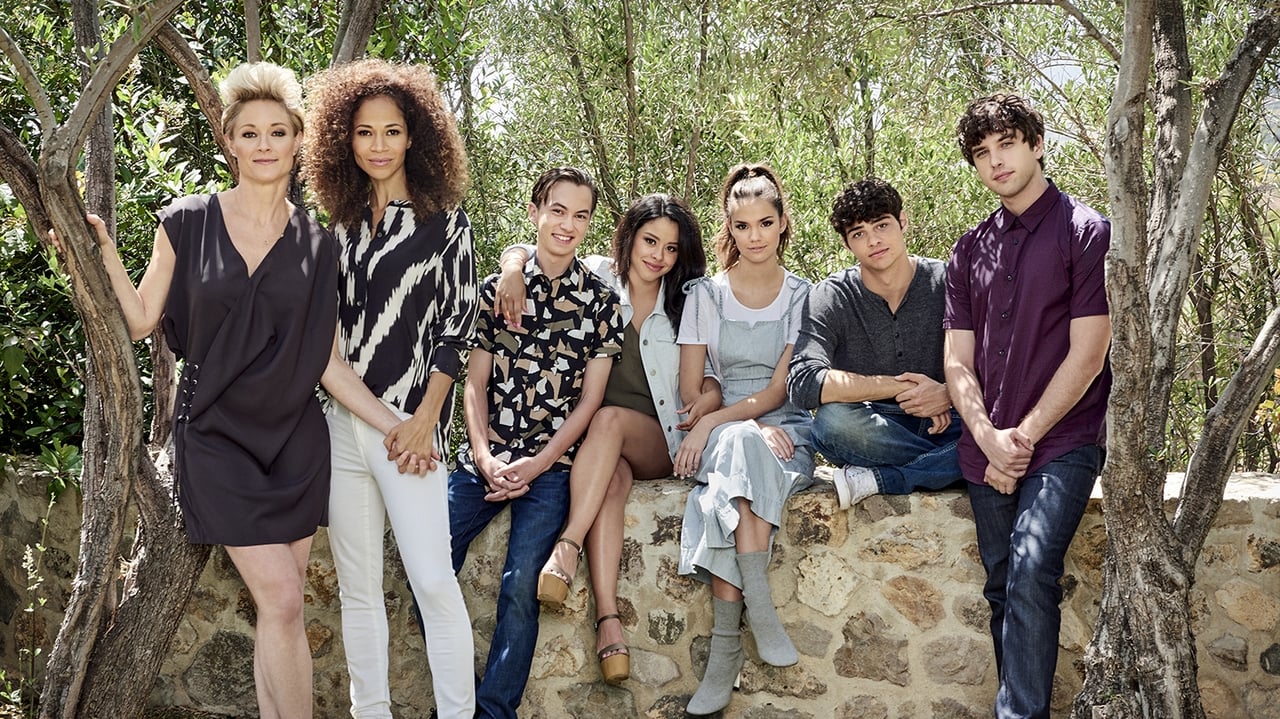
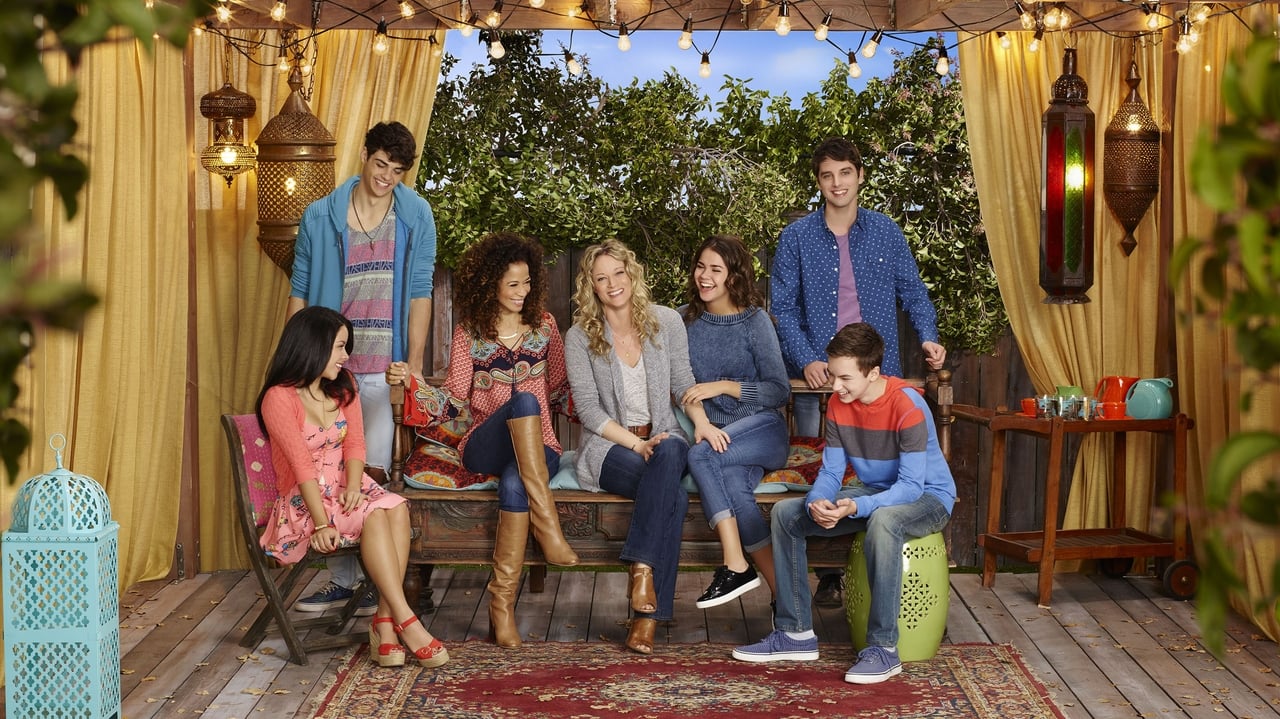
Stef and Lena (Teri Polo and Sherri Saum) are the backbone of the series, and they aren't the perfect, unflappable parents you see in sitcoms. They argue about money, discipline, and their own relationship. They make mistakes—sometimes big ones—that have actual consequences for the kids. It’s refreshing to see a show where the adults have as much of an arc as the teens.
However, the emotional stakes are high. Between the fallout of Callie's past and the various crises the kids get into, the show carries a weight similar to heavy themes of captivity and trauma found in more adult-oriented dramas. It’s a lot to process, and it’s why the 14+ recommendation is a hard floor, not a suggestion.
Who is this for?
If your kid grew up on standard sitcoms but is starting to ask for "real" shows, this is a massive step up. It’s for the teen who wants to talk about social justice, identity, and what "family" actually means. It’s intense. If they’re looking for a lighthearted show to have on in the background while they do homework, this isn't it. The Fosters demands you pay attention to the emotional fallout of every choice the characters make. It’s quality TV that treats its audience like they can handle the truth, even when that truth is messy.