History as Chamber Drama
Most period pieces lean hard on costumes and royal pomp. The Crown uses those details as window dressing for something colder: an autopsy of what public duty does to private lives.
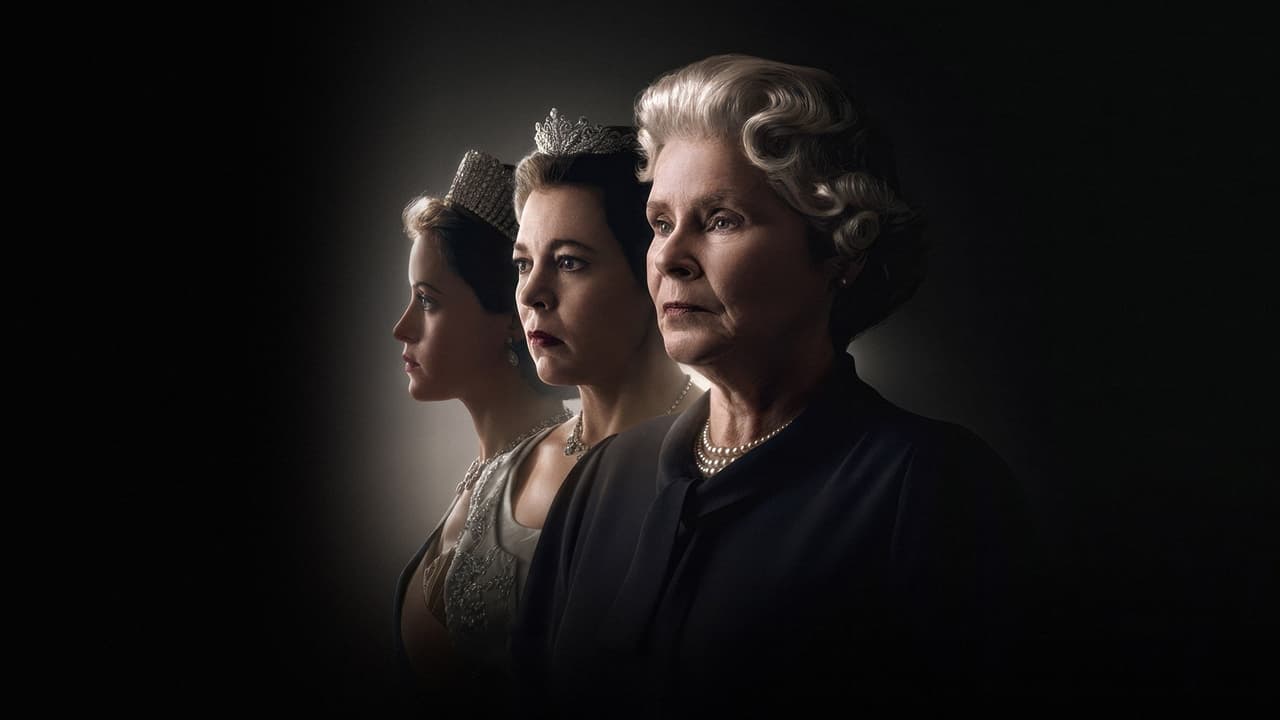
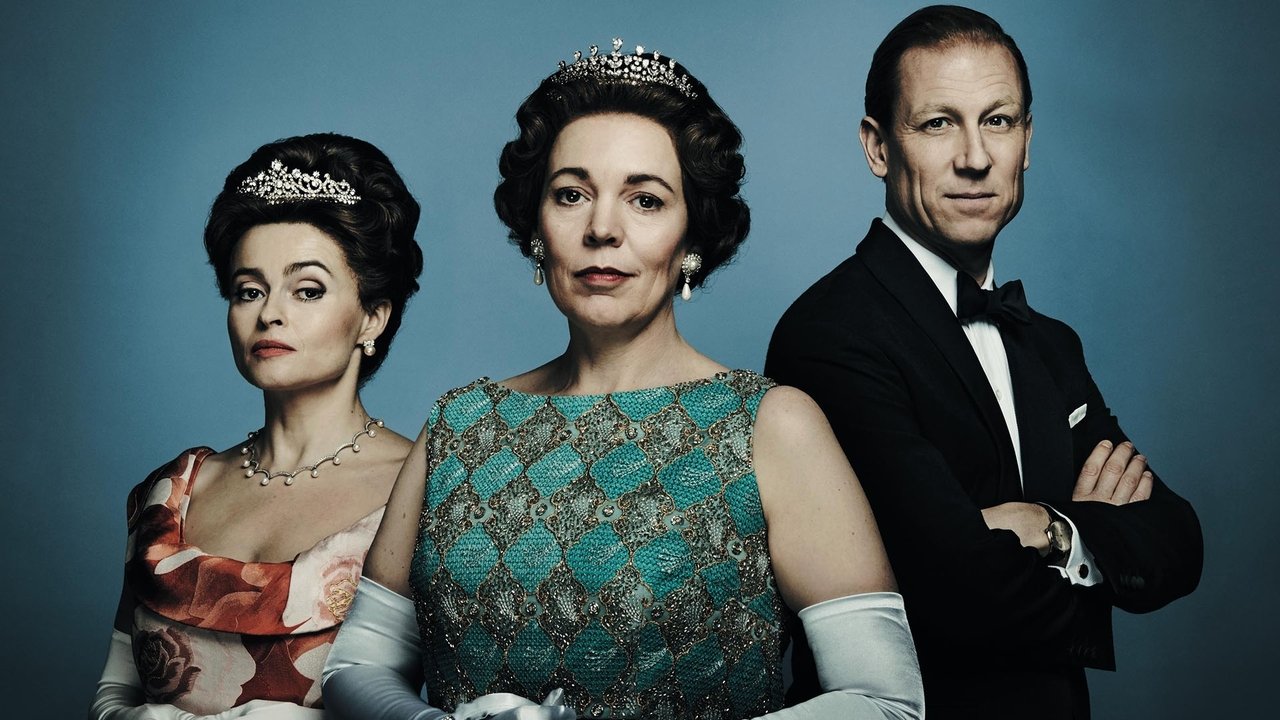
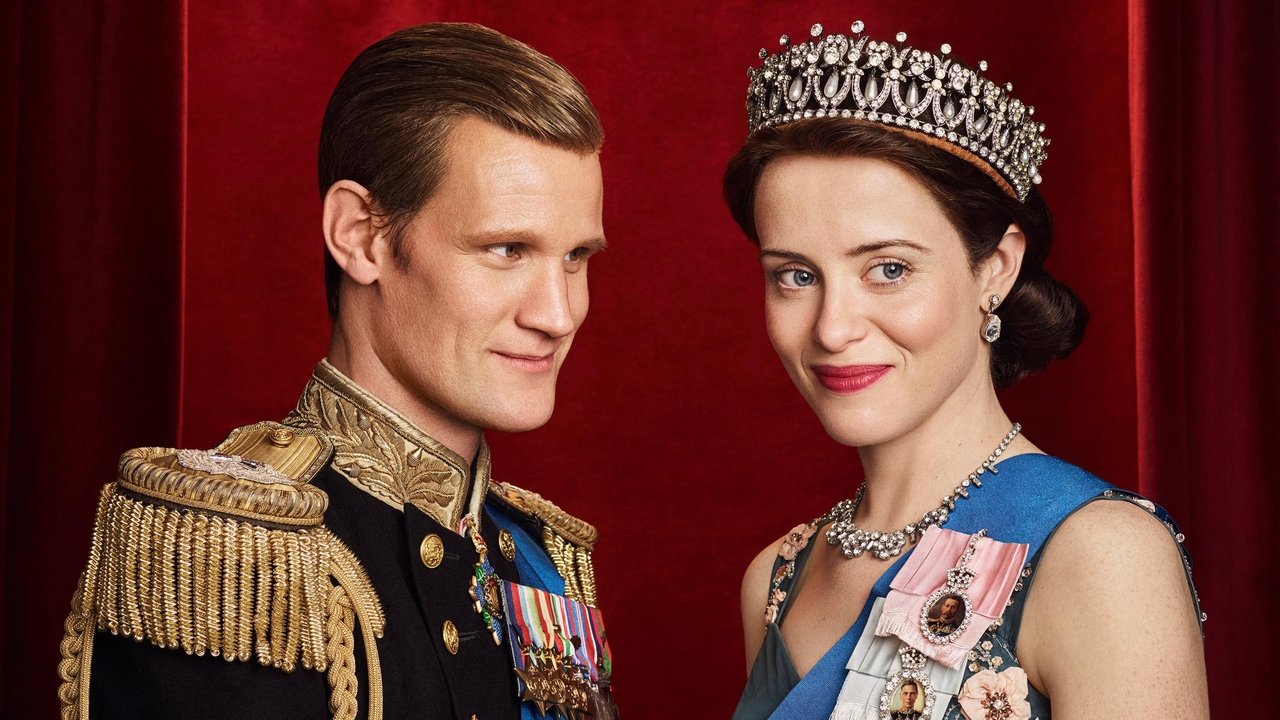
The early seasons, anchored by Claire Foy's tight-lipped Elizabeth and Matt Smith's frustrated Prince Philip, are the strongest. They work because the stakes are institutional. Elizabeth learns her constitutional lane from Winston Churchill, balances her marriage against sovereign demands, and discovers that having no public opinion is the job description.
The Shift to Modern Soap
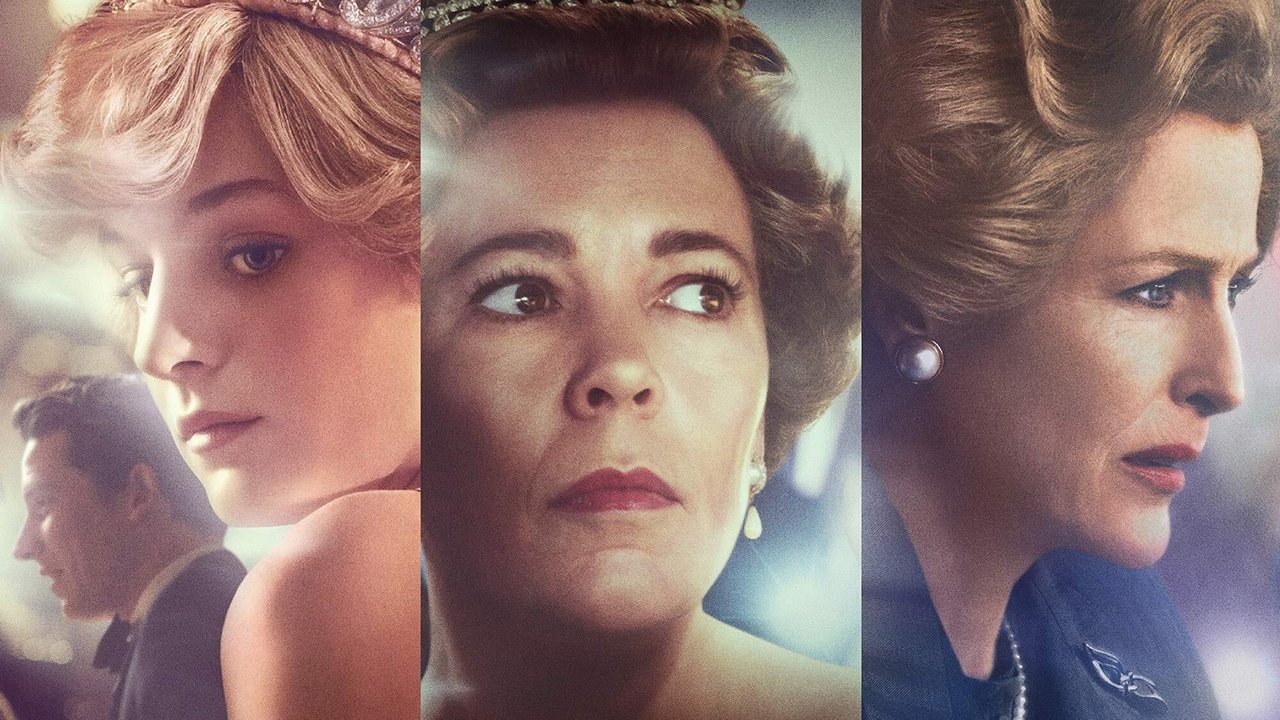
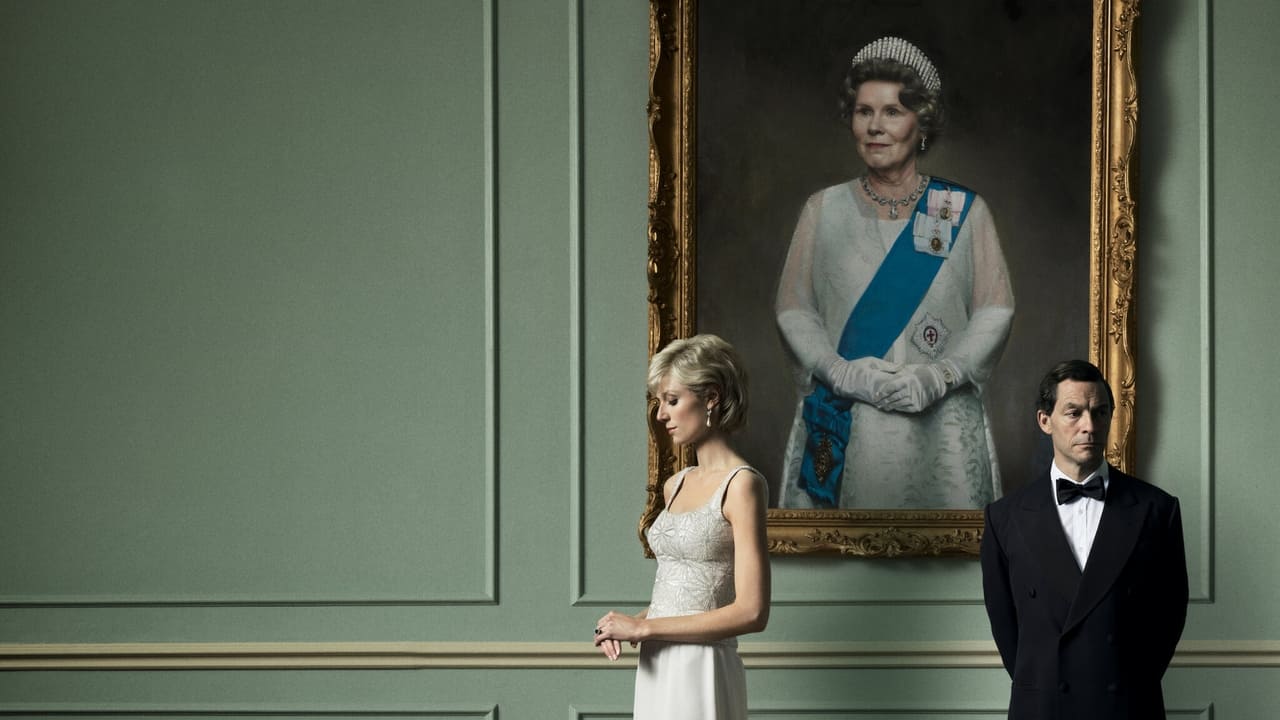
As the series marches toward the 1980s and 1990s, the narrative shifts from constitutional balance to tabloid spectacle. By the time Charles and Diana take center stage in seasons 4 through 6, the series feels less like a political study and more like an elevated soap opera.
That later half is where parents need to be intentional. Season 4 covers Diana's bulimia with unsparing detail. Season 5 and 6 deal heavily with media harassment, the war of leaks between royal camps, and the tragic lead-up to Paris in 1997.
Watching It Together
If you have a tenth or eleventh grader tackling modern European history, this is one of the best companion watches available. Pair it with a quick post-episode fact-check on Wikipedia. Sorting out what Peter Morgan dramatized versus what actually happened in the historical record makes the series twice as engaging.