

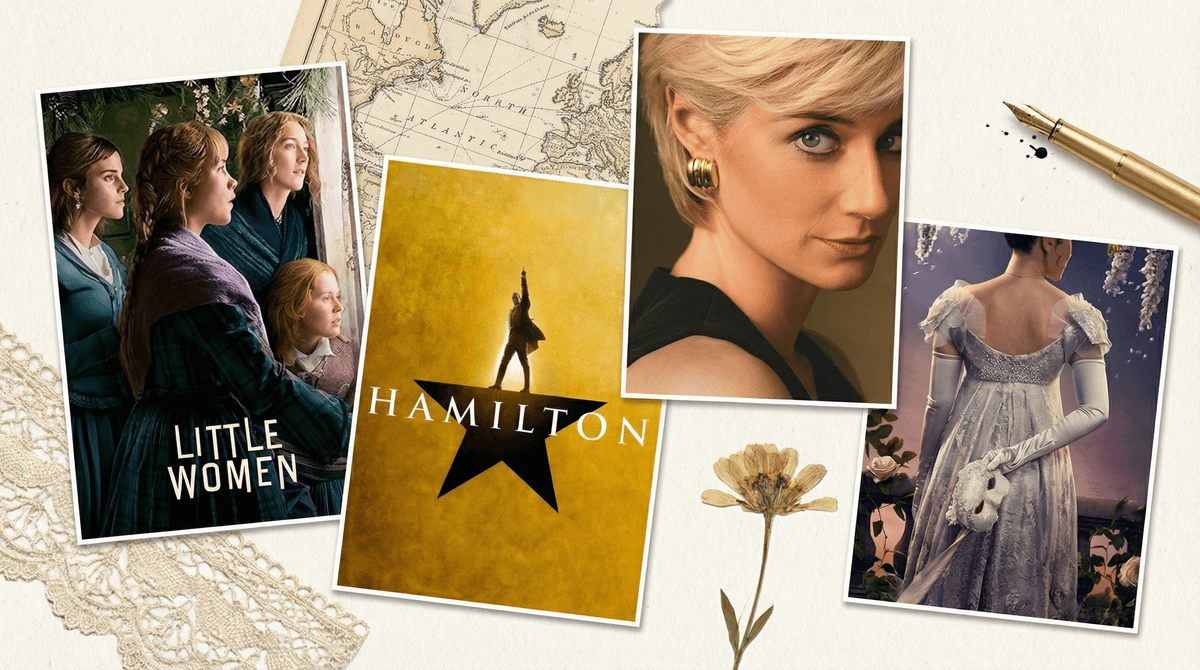
Historical dramas are films and TV series set in past eras—think royal courts, wartime Europe, Victorian England, or colonial America. They range from meticulously researched period pieces to romanticized fantasies that just happen to wear corsets. Right now, we're living through a golden age of these shows, from the lavish production design of The Crown to the Regency-era romance of Bridgerton to the Revolutionary War intrigue of Turn: Washington's Spies.
The appeal is obvious: gorgeous costumes, dramatic storylines, and the chance to experience history in a way that feels more engaging than a textbook. But here's the thing—just because something is "educational" doesn't mean it's appropriate for kids. Many of these shows pack in mature content that would make your high school history teacher blush.
Historical dramas offer something rare in our current media landscape: stories that feel substantial. They're not just mindless entertainment—they spark conversations about power, morality, social change, and how people lived in different eras. When a 12-year-old watches Hamilton and suddenly cares about the Federalist Papers, that's pretty cool.
Plus, let's be honest—the production values are often stunning. The costumes in Bridgerton alone could inspire a semester-long fashion history course. And for teens who are starting to think critically about society, watching how gender roles, class systems, and political power operated in the past can be genuinely eye-opening.
But the mature themes that make these shows compelling for adults—political intrigue involving murder, complex sexual relationships, graphic violence—are the exact things that make them tricky for younger viewers.
Here's where we need to get specific, because "historical drama" covers a massive range of content:
The Crown (Ages 14+): Relatively tame on sex and violence, but heavy on complex political maneuvering, marital dysfunction, and emotional cruelty. The later seasons dealing with Diana's bulimia and death are genuinely difficult to watch.
Bridgerton (Ages 16+, honestly): This is romance novel territory with explicit sex scenes, even if they're beautifully shot. Season 1 also includes a deeply problematic sexual assault storyline. The Regency dresses are gorgeous, but this is not a "history lesson" show for your middle schooler.
Downton Abbey (Ages 12+): One of the more family-friendly options, though it still deals with war trauma, class inequality, sexual assault (a particularly brutal storyline in Season 4), and complex adult relationships. The movie versions are slightly lighter.
Turn: Washington's Spies (Ages 14+): Revolutionary War espionage with graphic violence, torture scenes, and wartime brutality. The history is fascinating, but it's genuinely intense.
The Last Kingdom (Ages 16+): Viking-era England with all the violence, sexual content, and brutality you'd expect. This is Game of Thrones-adjacent territory.
Little Women (2019 film) (Ages 8+): Now THIS is an actual family-friendly historical drama. Beautiful, emotionally rich, and genuinely appropriate for tweens and up.
Elementary (Ages 6-10): You're looking at historical films, not series. The Muppet Christmas Carol, the 2019 Little Women, Newsies, and National Treasure (if you're generous with the term "historical"). Disney's Hamilton works for mature 10-year-olds who can handle some language and heavy themes.
Middle School (Ages 11-13): Downton Abbey (with parental guidance and maybe skipping that Season 4 episode), The King's Speech, Hidden Figures, Dunkirk (intense but not gratuitous), and A League of Their Own. This is also a great age for The Great British Baking Show—not drama, but historical context about British baking traditions counts, right?
High School (Ages 14+): The Crown, 12 Years a Slave (incredibly important but genuinely traumatic—watch together), Selma, Schindler's List (same caveat as 12 Years a Slave), and 1917. For older teens (16+), Bridgerton and The Last Kingdom might be options if your family is comfortable with mature content.
Historical accuracy varies wildly. Bridgerton is a fantasy with period costumes. The Crown takes liberties with private conversations. Turn: Washington's Spies dramatizes real events but isn't a documentary. If your kid is watching for school, it's worth having conversations about what's real versus dramatized.
"Based on a true story" doesn't mean "appropriate for kids." The most historically accurate shows often include the most disturbing content—because history was genuinely brutal.
The "educational value" argument has limits. Yes, these shows can spark interest in history. But you don't need to justify letting your 13-year-old watch graphic violence just because it's "teaching them about World War II." There are age-appropriate documentaries for that.
Co-viewing is your friend here. These shows are made for discussion. Watching together means you can pause when something confusing or disturbing happens, provide context, and turn it into an actual learning experience rather than just passive consumption.
Historical dramas can be incredible—rich storytelling, gorgeous production, and genuinely educational. But they're not automatically "better" screen time just because they're set in the past.
The best approach: Start with genuinely family-friendly options like Little Women or Hidden Figures, and work your way up as your kids mature. Use Common Sense Media ratings as a starting point, but actually watch the content yourself before deciding—every family has different comfort levels around violence, sexual content, and mature themes.
And if your teen really wants to watch Bridgerton? Maybe watch the first episode together, have a frank conversation about what they're about to see, and decide from there. Just don't pretend it's homework.
Want specific recommendations based on your kid's age and interests? See historical dramas for your family . Or check out our guides on alternatives to mature Netflix shows and how to talk to teens about mature content.