Our reviews and ratings are 100% unbiased. Screenwise is a Bookshop.org affiliate and an Amazon Associate, so if you buy a book through one of our links, we may earn a commission. Bookshop.org purchases also support independent bookstores.
Screenwise Verdict
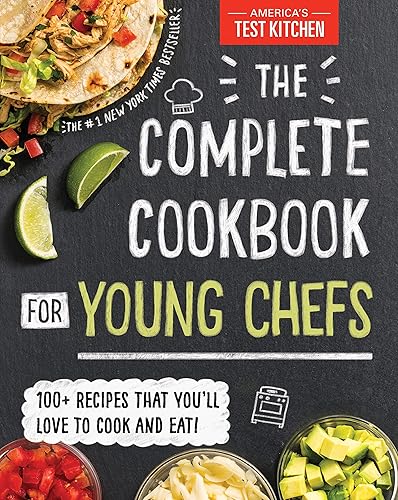
This is the real deal. Not a gimmicky kids' cookbook with cartoon characters and microwave mug cakes, but an actual teaching tool from America's Test Kitchen that respects kids' intelligence and capability.
The recipes work because they've been tested by hundreds of kids, and the scientific approach teaches understanding rather than just rote following of instructions. Your kid will learn why you rest meat, how gluten develops, and what makes cookies chewy versus crispy.
Yes, it requires supervision and some investment of time. Yes, your kitchen will get messier. But the payoff is a kid who can actually feed themselves (and you) competently, understands nutrition and cooking chemistry, and gains genuine confidence from mastering real-world skills. The #1 bestseller status and 4.8 stars aren't hype—this book delivers.
Age Fit
Best for ages 8-14, though younger kids can participate with more hands-on help and older teens will still find the scientific approach valuable. The grade 4-8 range is spot-on for independent use with supervision.
WISE Breakdown
Wholesome
92
Empowers kids with real-world skills in a supportive, age-appropriate way. The tone is encouraging without being condescending (reviews specifically praise it for never talking down to kids). Promotes family connection through cooking together and builds genuine confidence through mastery of practical tasks. Tested by 750+ kids to ensure accessibility across skill levels.
Imaginative
78
While cookbook recipes follow established formulas, America's Test Kitchen's scientific approach teaches kids to understand *why* techniques work, encouraging experimentation and curiosity. The book explicitly aims to build 'curious experimenters' who make their own choices in the kitchen. Not as open-ended as pure creative play, but teaches foundational skills that enable future culinary creativity.
Safe
88
Inherently involves sharp knives, hot stoves, and other kitchen hazards, but that's the point—teaching kids to handle these tools safely under supervision. Step-by-step photos of techniques help prevent accidents. No inappropriate content whatsoever. The main safety consideration is the physical nature of cooking itself, which requires age-appropriate adult supervision.
Enriching
95
Teaches genuinely useful life skills that kids will use forever. Builds reading comprehension (following recipes), math (measuring), chemistry (understanding how ingredients interact), planning, and independence. Creates 'engaged eaters' who understand their food. The scientific approach from America's Test Kitchen adds educational depth beyond typical kids' cookbooks. Skills learned here translate to self-sufficiency and healthier eating habits.
Parent Info
✓
Why It Might Be Great
Teaches real cooking skills, not dumbed-down 'kid' recipes—these are techniques and dishes they'll use for life
Scientific approach helps kids understand why recipes work, building problem-solving skills and culinary intuition
Step-by-step photos and kid testimonials make techniques accessible and confidence-building
Over 100 recipes tested by 750+ kids means age-appropriate difficulty that actually works
Builds independence and life skills while creating opportunities for family connection in the kitchen
⚠
What to Watch For
Requires adult supervision, especially for younger kids using knives, stoves, and ovens
Some recipes need specialty equipment or ingredients that may require shopping trips
Kids will want to cook frequently once they start—prepare for more kitchen time and some inevitable messes
Conversation Starters
"What recipe looks most interesting to you? Should we plan to make it this weekend?"
"Why do you think the recipe says to do it that way? What would happen if we changed it?"
"Want to surprise the family by making breakfast on Saturday? Let's pick something and practice once first."
"Which techniques from the book do you feel most confident about now?"
"Should we start a tradition where you cook dinner one night a week?"