Street Food

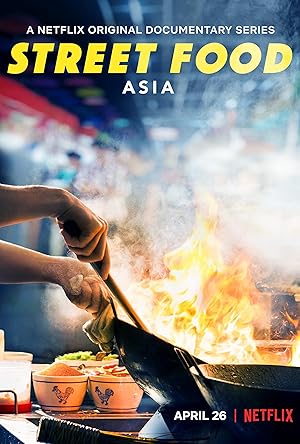
Street Food

show

TV-G, 2019, Documentary

WISE
85%

WISE Score

7.8

IMDb

Gorgeous food documentary that'll make you hungry, teary, and suddenly very interested in booking a flight to Bangkok.

IMDb7.8
Common Sense Media
Where to Watch
Loading streaming options...
Screenwise Verdict

Street Food is that rare documentary series that works for the whole family without dumbing anything down. It's beautifully shot, emotionally intelligent, and genuinely educational about global cultures, work, and resilience.

The food looks incredible (prepare for immediate cravings), but the real magic is how it humanizes people you'd normally walk past. Kids see that the person making pad thai on a street corner might be a third-generation master with a fascinating life story. It builds empathy and cultural curiosity organically.

Some episodes touch on poverty and hardship, but always in context and with dignity—these aren't poverty-porn narratives, they're stories of people who've built something meaningful despite challenges. The emotional beats are real; Reddit users report crying, and they're not wrong.

Highly watchable, genuinely enriching, and one of the better uses of family screen time. Throw it on and see where the conversation goes.

Age Fit

Best for ages 8+ who can appreciate the human stories and cultural depth. Younger kids (6-7) can watch with parents and will enjoy the food visuals, but may lose interest in the narrative portions. Genuinely engaging for teens and adults—this isn't kid content, it's quality documentary that families can watch together.

WISE Breakdown
Wholesome
88

Heartwarming documentary that centers real people, their families, and the communities built around food. Stories highlight perseverance, cultural pride, and intergenerational relationships. Emotionally genuine without manufactured drama—people cry because the stories are moving, not manipulative.

Imaginative
79

Visually stunning cinematography showcases food preparation as art. Explores diverse global cities and culinary traditions, sparking curiosity about different cultures and cooking techniques. Less about hands-on creativity, more about opening eyes to worlds viewers haven't experienced.

Safe
92

Clean documentary format with no violence, gore, or sexual content. Some episodes touch on poverty, struggle, and hardship as context for vendors' stories, but handled respectfully. Occasional alcohol shown in cultural context. No jump scares or disturbing imagery—just food, people, and life.

Enriching
86

Exceptional window into global cultures, work ethic, and resilience. Teaches empathy by showing the human stories behind street vendors. Kids learn about geography, culinary traditions, economic realities, and the dignity of work. IMDb 7.8 reflects strong viewer appreciation. Genuinely educational without feeling like homework.

Parent Info

Why It Might Be Great

  • Stunning cinematography that makes street food look like fine art—your kids will actually want to try new foods
  • Real human stories about resilience, family legacy, and cultural pride that hit you right in the feels
  • Teaches geography and cultural awareness without lecturing—kids absorb it naturally through compelling storytelling
  • Pacing is excellent; episodes are engaging enough that even younger viewers stay interested
  • Shows the dignity and skill in all kinds of work—great counter-narrative to hustle culture or status obsession

What to Watch For

  • Some episodes show economic hardship, poverty, and struggle as context for vendors' journeys—handled sensitively but real
  • Emotional content: people share stories of loss, family challenges, and overcoming obstacles (the good kind of tears)
  • Cultural practices around food preparation may include unfamiliar ingredients or methods—great teaching moment
  • Occasional alcohol shown in cultural/culinary context

Conversation Starters

  • "What would you want to sell if you had a street food cart? What would make your version special?"
  • "Why do you think that vendor's family recipe matters so much to them?"
  • "Which city looked most interesting to you? What would you want to try eating there?"
  • "How is street food different from restaurants? What are the challenges of cooking outside like that?"
  • "That vendor worked really hard for years—what does it take to get really good at something?"

Deep Dive

The Subtitle Hurdle

The first thing you need to know is that this isn't a show you can just have on in the background while your kid plays Minecraft. Because it focuses on authentic stories in cities like Bangkok, Osaka, and Seoul, there is a lot of reading involved. For an eight-year-old who is still finding their footing with fast-moving text, this might feel like work at first.

However, the visuals are so high-end that the "boredom" threshold is much higher than your average educational doc. The show uses the same cinematic language as prestige dramas—slow-motion steam, vibrant city lights, and tight close-ups on hands that have been peeling ginger for fifty years. If your kid is used to the frantic, high-decibel energy of YouTube food influencers, the pacing here will be a massive vibe shift. It’s quiet, intentional, and respects the viewer's intelligence.

More Than a Recipe

While the food looks incredible, the "plot" of most episodes is actually about resilience. You aren't just watching someone make crab omelets; you’re watching a woman who stepped up to save her family from debt or a man who perfected one single recipe over four decades because it was his only path out of poverty.

This is where the "crying" factor comes in. Fans on Reddit and other forums aren't exaggerating when they say the emotional beats hit hard. It’s rare to find travel-tv-for-families that handles heavy topics like grief or financial ruin without becoming depressing. Street Food manages to make these stories feel triumphant. It’s a great way to show kids that "success" doesn't always mean a corner office or a million subscribers; sometimes it’s just being the absolute best in the world at making a specific type of noodle.

How to Screen It

If you have a kid who is a picky eater, this show is a low-stakes way to introduce the concept of new flavors. It’s much easier to get a child interested in a new ingredient when they see the literal blood, sweat, and tears that went into preparing it.

Don't feel the need to binge-watch this. Each episode is a self-contained meal. The best way to use it is as a "one-off" on a Friday night, perhaps paired with a trip to a local international market or ordering from a neighborhood spot that isn't a chain.

If your family already loves The Great British Baking Show for its kindness but you want something with more cultural meat on the bones, this is the logical next step. It trades the polite competition for real-world stakes, but it keeps that same sense of awe for people who are masters of their craft.

Ask Anything

Get a personalized guide on any topic