Steal a Brainrot

Steal a Brainrot

game

17+, 2025, Games, Adventure

WISE
32%

WISE Score

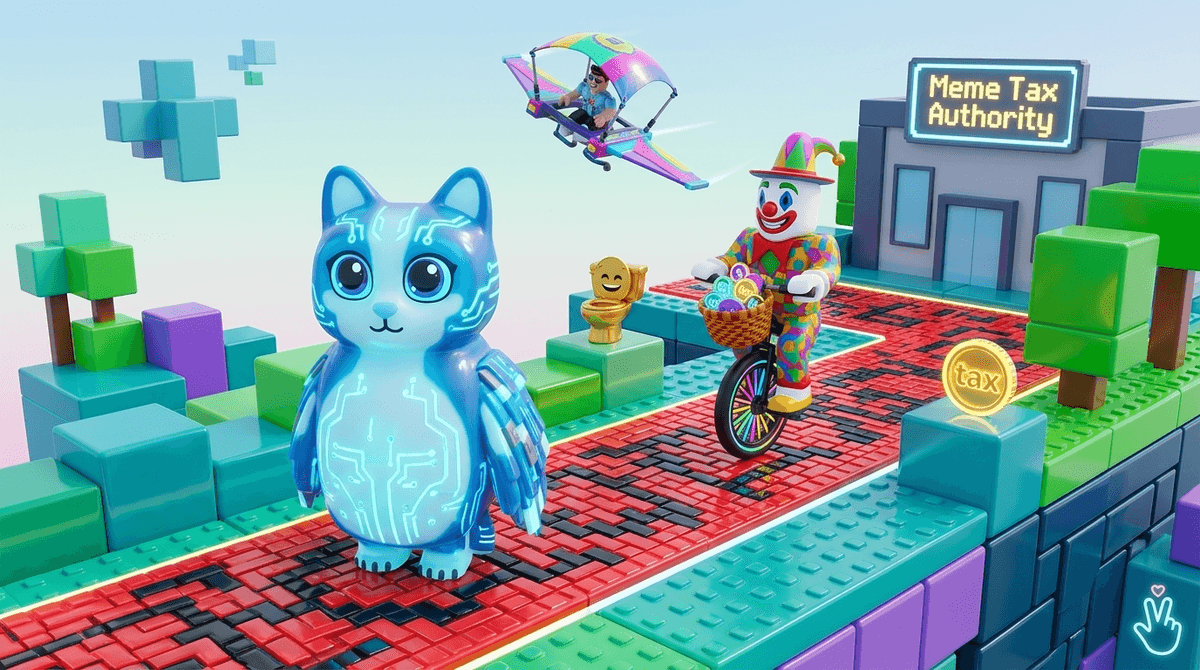
A Roblox idle tycoon where players buy surreal meme characters, generate passive cash, and raid neighboring bases to swipe rare loot.

Where to Play

Screenwise Verdict

At its core, Steal a Brainrot is a standard Roblox idle tycoon wrapped in noisy meme aesthetics. Players buy characters off a conveyor belt, line them up to generate passive cash, and buy base shields to protect their stash. The loop is fast, silly, and designed to capture short attention spans.

The real friction point is the game's 'steal-to-earn' mechanic. Unlike passive tycoons where built progress stays safe, this experience lets other players actively invade bases and snatch high-value items. For an eight-year-old who spent two hours earning a rare character, watching an older player walk off with it in seconds is a fast track to tears.

If your kid plays, consider sticking to private servers. Playing with known friends strips out the random griefing and leaves behind a simple, harmless tycoon game.

Age Fit

Best for ages 8 and up. Younger kids rarely have the emotional insulation needed when another player walks into their base and wipes out hours of progress.

WISE Breakdown
Wholesome
25

Built around stealing from other players and spamming internet memes, offering little positive social modeling or cooperative play.

Imaginative
38

Basic idle tycoon mechanics and base layout customization, but heavily dependent on pre-existing viral meme tropes.

Safe
42

High emotional friction from theft mechanics and progress loss, combined with Roblox open chat exposure and pay-to-win microtransaction pressure.

Enriching
22

Teaches basic idle income management and risk assessment, but functions mostly as a short-attention-span meme collector.

Parent Info
✓

Why It Might Be Great

  • Tactical base management: Balancing shield timing with conveyor belt upgrades forces basic strategic planning.
  • Meme currency: Taps directly into the surreal internet humor currently circulating on YouTube Shorts and TikTok.
  • Co-op raiding: Friends can team up to guard a shared territory or coordinate raids against top earners.
⚠

What to Watch For

  • Instant progression loss: Older players can walk into a younger child's base and swipe rare characters, regularly causing massive frustration and meltdowns.
  • Pay-to-win items: Robux-purchased weapons and speed boosts make raiding easier, placing heavy pressure on kids to buy microtransactions.
  • Public chat taunting: Competitive raiding leads to trash talk in open lobbies when high-value items get stolen.

Conversation Starters

  • "How do you handle it when another player steals a character you worked hard for?"
  • "Does buying Robux gear make the game unfair for players who don't spend money?"
  • "Which character on your conveyor belt earns the most passive income right now?"

Deep Dive

The Mechanics of a Brainrot Tycoon

Released on Roblox in mid-2025 by SpyderSammy under DoBig Studios, Steal a Brainrot combines two highly successful platform formulas: idle cash generators and active base raiding.

Players buy characters off a shared conveyor belt and place them on their base footprint to generate steady income. That income funds base defenses or buys rarer characters. The twist is that base doors aren't permanent barriers. Players can purchase lockpicking gear or wait for defensive shields to expire, walk into another player's base, and grab their highest-earning asset.

Why It Triggers Meltdowns

Most sandbox and tycoon games give kids a secure sense of digital ownership. Steal a Brainrot deliberately undermines that. The core loop rewards aggressive griefing—taking what someone else earned simply because you timed a raid correctly or bought better tools.

For younger players, losing in-game items doesn't feel like losing a match; it feels like personal property theft.

That dynamic is heightened by microtransactions. DoBig Studios sells gear for Robux that grants higher movement speed, stronger weapons, or shield bypasses. Players who pay real money get a clear advantage over those grinding for free, leading directly to pay-to-win frustration.

How to Manage It at Home

If your kid is dead-set on playing, a few basic tweaks soften the competitive edge:

  • Use Private Servers: Setting up a private server lets your child play strictly with friends or family, eliminating random raiders entirely.
  • Restrict Chat Settings: Muting public lobby chat prevents the trash talk that usually follows a successful base raid.
  • Set In-Game Spend Limits: Ensure Robux purchases are password-protected so gear upgrades remain deliberate family choices rather than impulse buys.

What Parents Ask

Ask Anything

Get a personalized guide on any topic