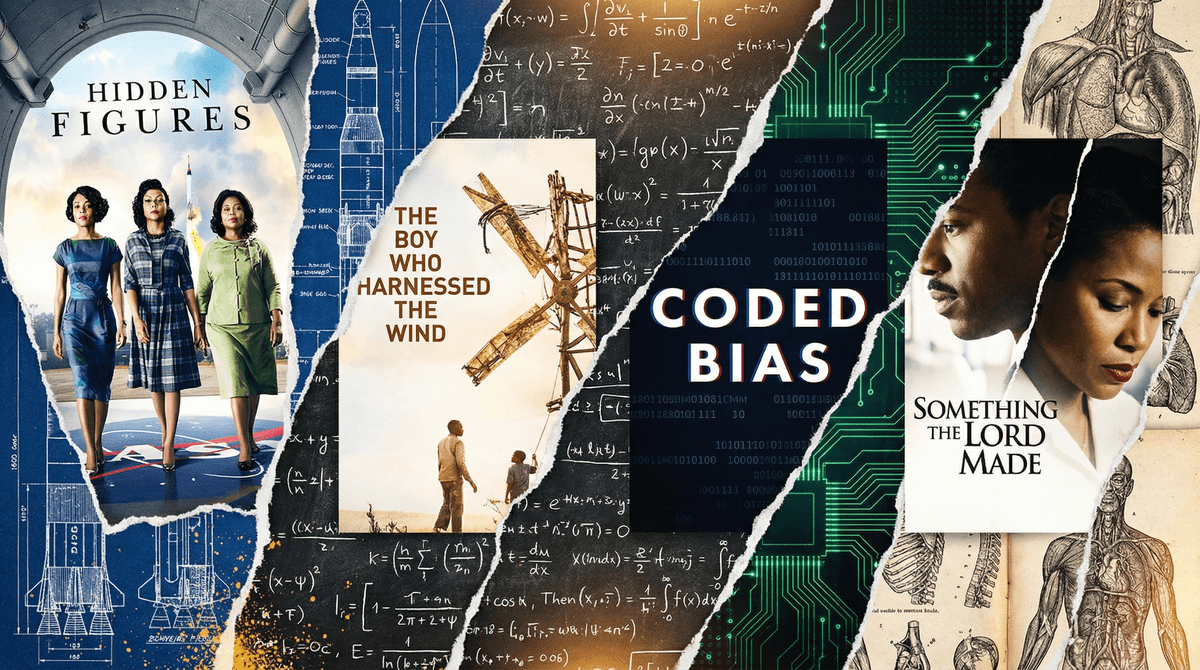
If your teenager has already seen Hidden Figures and you're looking for the next logical step in your watchlist, this is it. While Hidden Figures has a glossy, big-budget Hollywood sheen, Something the Lord Made feels more like a gritty, intimate character study. It’s a product of the early-2000s HBO era—the same era that gave us The Wire—which means it values realism and complicated human behavior over easy triumphs.
The Rickman-Def dynamic
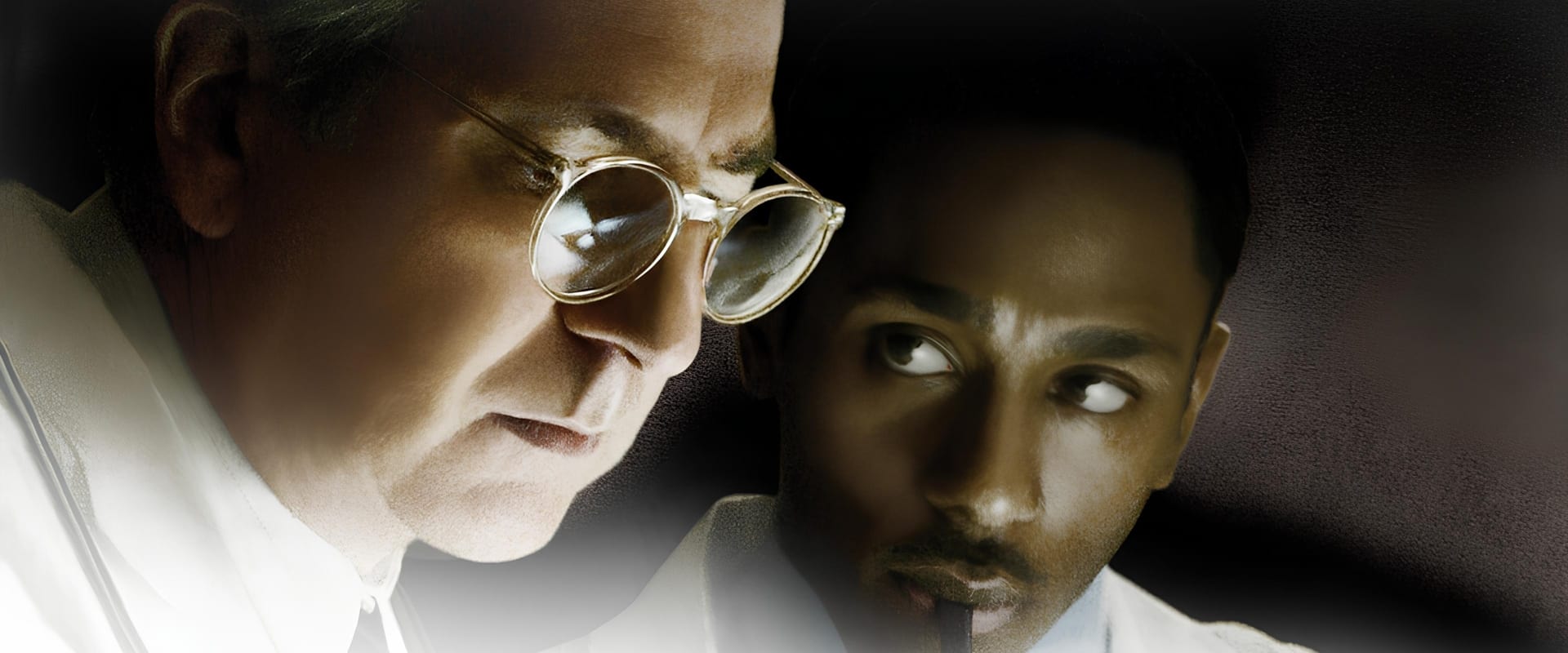
The heart of the movie isn't just the medical breakthrough; it’s the friction between Alan Rickman and Mos Def. Rickman plays Dr. Alfred Blalock with a prickly, often arrogant intensity that makes him hard to like, even when he’s being a visionary. He’s not a "white savior" in the traditional cinematic sense because he is frequently the source of the problem. He’s a man of his time, which means he is perfectly willing to exploit Vivien Thomas’s genius while letting him walk through the back door and work for janitor’s wages.
Mos Def is the standout here. He plays Thomas with a quiet, simmering dignity that feels incredibly authentic. You can see the internal math he’s doing in every scene: weighing his passion for medicine against the daily humiliations of Jim Crow Baltimore. It’s a masterclass in showing, not telling, what it feels like to be the smartest person in a room that refuses to acknowledge you exist.
Why the science matters
For kids who are into STEM, the surgical scenes are genuinely gripping. We’re talking about the 1940s, a time when the heart was considered "holy ground"—you didn't touch it, or the patient died. Watching Thomas and Blalock prototype surgical tools out of scrap metal and practice on dogs is a great look at how innovation actually happens. It’s messy, iterative, and involves a lot of failure before the "eureka" moment.
If you’re using this for a school project or a themed month, it fits perfectly into a list of Black History Month STEM Movies: Celebrating Hidden Figures and Pioneers. It moves the conversation beyond just "this person was a hero" and into the specific mechanics of how systemic racism actively tried to stifle scientific progress.
The "TV Movie" factor
You might see the 2004 release date and the "TV Movie" label and worry it looks like a grainy history lecture. It doesn't. The production values are high, and the pacing is tight. However, because it’s a biography spanning decades, it covers a lot of ground. It’s a marathon, not a sprint.
The medical scenes do involve blood and 1940s-era surgical procedures. It’s not "slasher movie" gore, but it is visceral. If your kid is squeamish about needles or open-heart procedures, they might spend a few minutes looking at their phone. But for everyone else, the tension in the operating room is where the movie’s best drama lives. It’s a rare film that makes you care as much about a suture as you do about the characters.