Scooby-Doo is the Swiss Army knife of kid-lit IP. Over the decades, the gang has been everything from a meta-commentary on small-town secrets to a psychedelic team-up with Batman. Ecological Mission is the franchise at its most earnest. If you grew up on the 70s reruns where the "monster" was just a developer trying to lower real estate prices, this isn't a huge leap. Instead of real estate, the villain is usually someone cutting corners on waste management or ignoring carbon footprints.
The "Snackable" Scooby
The most important thing to know before you hit play is that these aren't full-length episodes. They are six-minute shorts. This is a massive advantage for a specific kind of parent. If you’re in that "one more show before we leave the house" or "just ten minutes while I finish this email" window, these are perfect. They move fast, they hit the mystery beat, they explain a scientific concept, and they're over before the kids can get bored.
Because this was a French production, you’ll notice a slight shift in the vibe. The character designs are familiar, but the animation feels a bit more fluid and "European" than the standard Warner Bros. house style. It’s clean, bright, and lacks the dark, moody shadows of some of the spookier Scooby iterations.
Science over Spooks
Don't expect your kids to be hiding behind the couch. The "threats" here are environmental hazards, and the "ghosts" are usually just people being greedy or lazy with the planet. It’s edutainment in the vein of The Magic School Bus but with Shaggy and Scooby providing the comic relief.
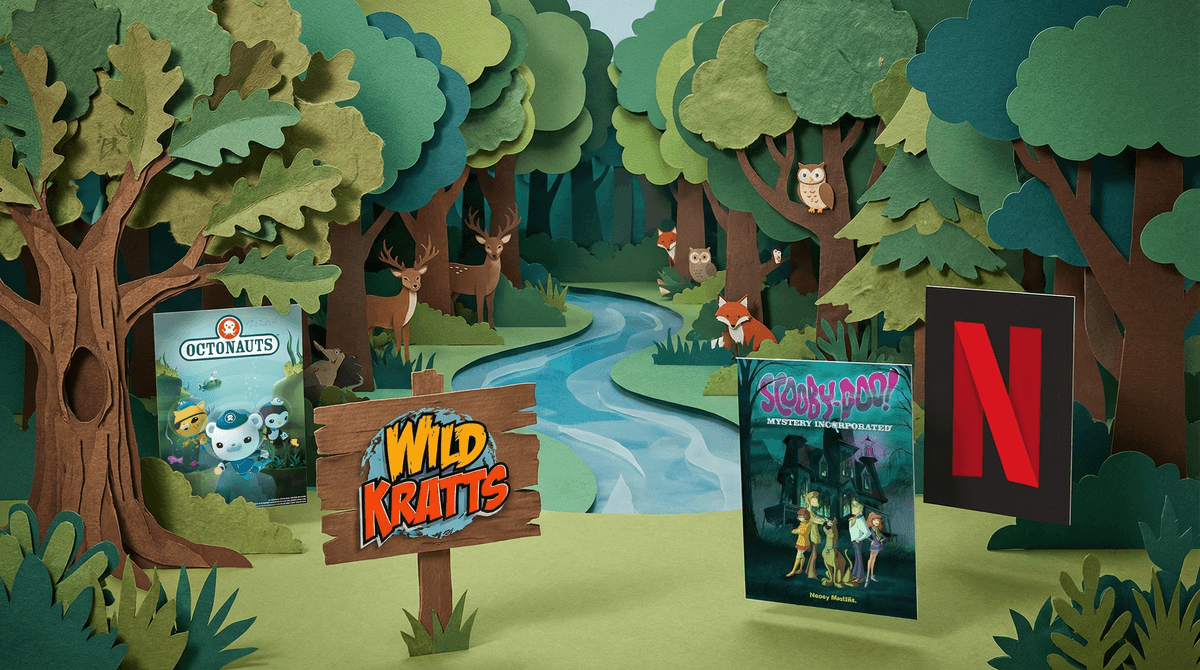
If your kid is currently obsessed with Octonauts or Wild Kratts, this is a perfect lateral move. It treats the audience with respect by using actual terminology—talking about air pollution or recycling systems rather than just saying "pollution is bad." It’s refreshing to see a legacy brand actually try to teach something specific rather than just slapping a green logo on a lunchbox and calling it a day.
How to use it
The TMDB score is sitting at a staggering 9.5, which suggests that the parents who actually track this down really appreciate what it’s doing. It isn't trying to be the next great mystery epic; it's trying to make Earth Day concepts digestible for a five-year-old.
If you're looking for a way to bridge the gap between "fun cartoons" and "learning time," this is your best bet. You can find more about the gang's history and various iterations on the official Scooby-Doo site, but for a direct, eco-focused lesson, these shorts stand alone. They’re the digital equivalent of those high-quality educational pamphlets you used to get in school—if those pamphlets featured a talking Great Dane and a van called the Mystery Machine.