

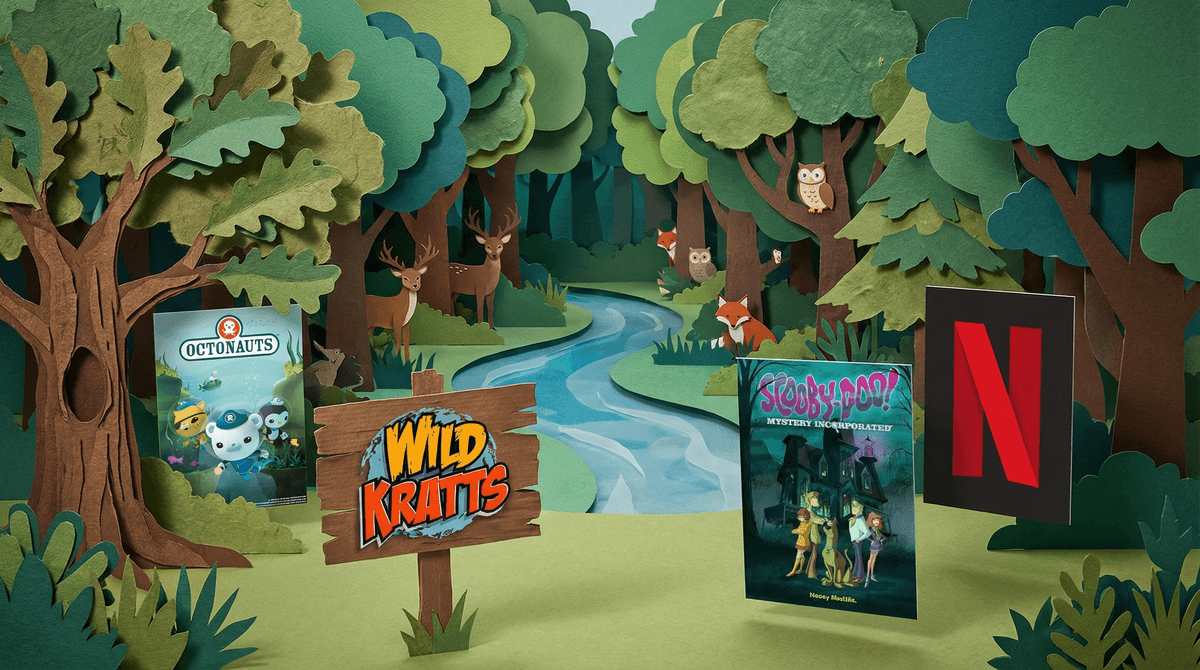
Scooby-Doo's Ecological Mission is a lesser-known entry in the Scooby-Doo franchise that aired in the early 2000s, focusing specifically on environmental themes and ecological mysteries. Unlike the classic "unmasking the villain in a haunted mansion" format, this series has the Mystery Inc. gang investigating environmental crimes, pollution, endangered species, and sustainability issues.
The show maintains the familiar Scooby-Doo formula—mystery, humor, friendship—but swaps out fake ghosts for real-world ecological problems. Think: illegal logging operations disguised as supernatural activity, or corporate polluters using "monster" scares to keep people away from contaminated sites.
It's worth noting that 92% of families in our community use TV as part of their media diet, so understanding what your kids are watching and what messages those shows send matters. This particular series sits in an interesting sweet spot between entertainment and education.
Even though this isn't the most popular Scooby iteration, kids who discover it tend to enjoy it for a few key reasons:
The familiar comfort of Scooby-Doo. There's something reassuring about Shaggy and Scooby's antics, Velma losing her glasses, and Fred's trap-building enthusiasm. Kids who already love Scooby-Doo will recognize their favorite characters.
Real-world relevance. Unlike battling obviously fake monsters, these mysteries connect to things kids hear about in school—recycling, climate change, protecting animals. That makes the stakes feel more meaningful, especially for kids around ages 7-10 who are developing their understanding of how the world works.
Action without being scary. The environmental "villains" are usually corporate bad guys or careless developers, not supernatural threats. This makes it less frightening than some Scooby episodes while still maintaining mystery and excitement.
Educational without feeling like homework. The show sneaks in facts about ecosystems, endangered species, and conservation without stopping the plot for a lecture. Kids absorb information about coral reefs or deforestation while watching Scooby eat comically large sandwiches.
Ages 5-7: Totally appropriate. The environmental themes might go over their heads a bit, but the slapstick humor and monster-of-the-week format will keep them engaged. This age group might not grasp the nuances of illegal dumping, but they'll understand "bad people hurting animals = not good."
Ages 8-10: The sweet spot. Kids this age are learning about environmental issues in school and can connect the dots between the show's mysteries and real-world problems. They're old enough to understand corporate greed as a villain motivation but young enough to still enjoy Scooby's silly antics.
Ages 11+: Still enjoyable, especially for kids interested in environmental science or activism. The mysteries might feel a bit simple, but the ecological education remains solid. This could be a good co-viewing opportunity to discuss more complex environmental issues the show touches on.
Content concerns: Minimal. There's no violence beyond cartoon chase scenes, no inappropriate language, and the "scary" elements are clearly not supernatural. The biggest "issue" is that it might inspire your kid to become very passionate about recycling or start questioning your family's environmental footprint—which, honestly, isn't the worst problem to have.
It's genuinely educational. Each episode typically focuses on a specific ecological issue: habitat destruction, invasive species, water pollution, renewable energy. The science is simplified but generally accurate. If your kid becomes obsessed with protecting sea turtles after watching, that's a feature, not a bug.
It models problem-solving and critical thinking. The gang investigates, gathers evidence, and uses logic to solve mysteries. These are valuable skills, whether applied to fictional ecological crimes or real homework problems.
It might spark conversations. Be prepared for questions like "Do companies really dump chemicals in rivers?" or "Can we get solar panels?" The show opens doors to discussions about environmental responsibility, corporate accountability, and individual action. You might want to think through how you'll approach these topics before they come up.
Availability varies. This isn't streaming on every platform like the main Scooby-Doo series. You might need to hunt for it on HBO Max, Boomerang, or through DVD collections. This could actually be a positive—it's intentional viewing rather than autoplay background noise.
It's a gateway to other eco-content. If your kid loves this, consider exploring other environmentally-focused shows like Wild Kratts or Octonauts for younger kids, or documentaries like Our Planet for older ones.
Scooby-Doo's Ecological Mission isn't going to win awards for groundbreaking television, but it's solid, wholesome content that combines entertainment with genuine educational value. In a media landscape where kids' shows can feel either mindlessly silly or preachy, this series manages to be both fun and meaningful.
The environmental themes are more relevant now than when the show first aired, and the mystery format keeps kids engaged while teaching them about real-world issues. If your family is looking for screen time that feels a bit more purposeful without sacrificing entertainment, this is a good option.
Next Steps:
- Watch an episode together to see if it resonates with your kid's interests and your family's values
- Use it as a springboard for family discussions about environmental choices you can make together
- Balance it with outdoor time—learning about nature is great, but actually experiencing it is better
- Check out Screenwise's other guides on educational shows if you want more recommendations that align with your values
And hey, if your kid starts lecturing you about single-use plastics after a few episodes, remember: you chose to let them watch this. Consider it character building. For both of you.