Self-paced, so the fastest kid does not set the pace
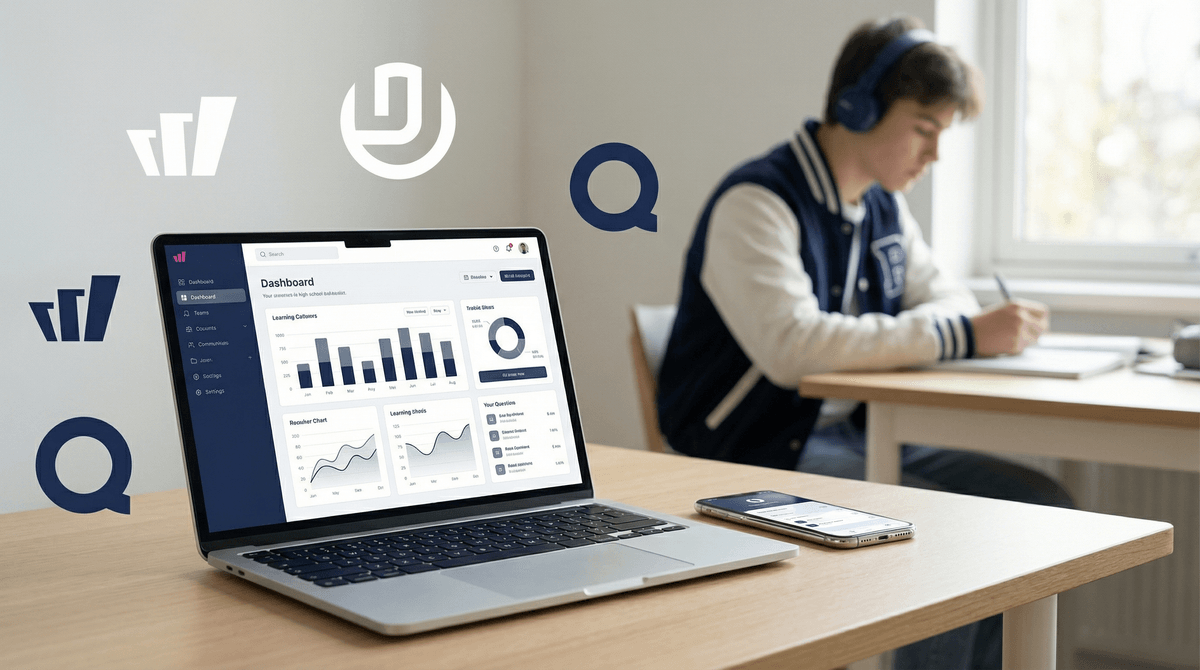
In a Kahoot! game, the whole class sees one question on the projector and races to answer it. Quizizz works differently: questions appear on each student's own screen, and each kid moves through the quiz at their own speed. Points still reward speed and accuracy, but a kid who reads slowly is not stuck waiting or left behind. Teachers can run it live during class or assign it as homework with a deadline.
The game layer is optional
What students talk about is the extras: power-ups like 50-50, Time Freeze and Streak Saver, background music, leaderboards, avatars, and a meme after each answer. Teachers control every one of them in the session settings, along with the timer, the number of attempts, and redemption questions that let a student retry a miss. Common Sense Media calls the memes "a bit sarcastic", which some kids love and some do not. A teacher can also anonymize names so the leaderboard shows no one's real name.
Why it is now called Wayground
In June 2025 Quizizz renamed itself Wayground and widened into lessons, videos, flashcards and AI tools that help teachers adjust a quiz's difficulty, translate it, or read it aloud. For students, the quiz game works the same way it did. The company, founded in Bengaluru in 2015, still operates as Quizizz Inc.
Free for kids, no ads
Students never pay. Teachers have a free Basic plan, and schools can buy a paid plan. The company says it shows no third-party or personalized ads, it holds the Common Sense Privacy Seal, and students can join a game with a code and a nickname rather than an account. The one gap is the public library: anyone can publish a quiz, so a set found by searching may have wrong answers.
For older students, Gimkit adds strategy to the same kind of review, and Quizlet is the stronger tool for long flashcard study.