The 1970s Vision Quest
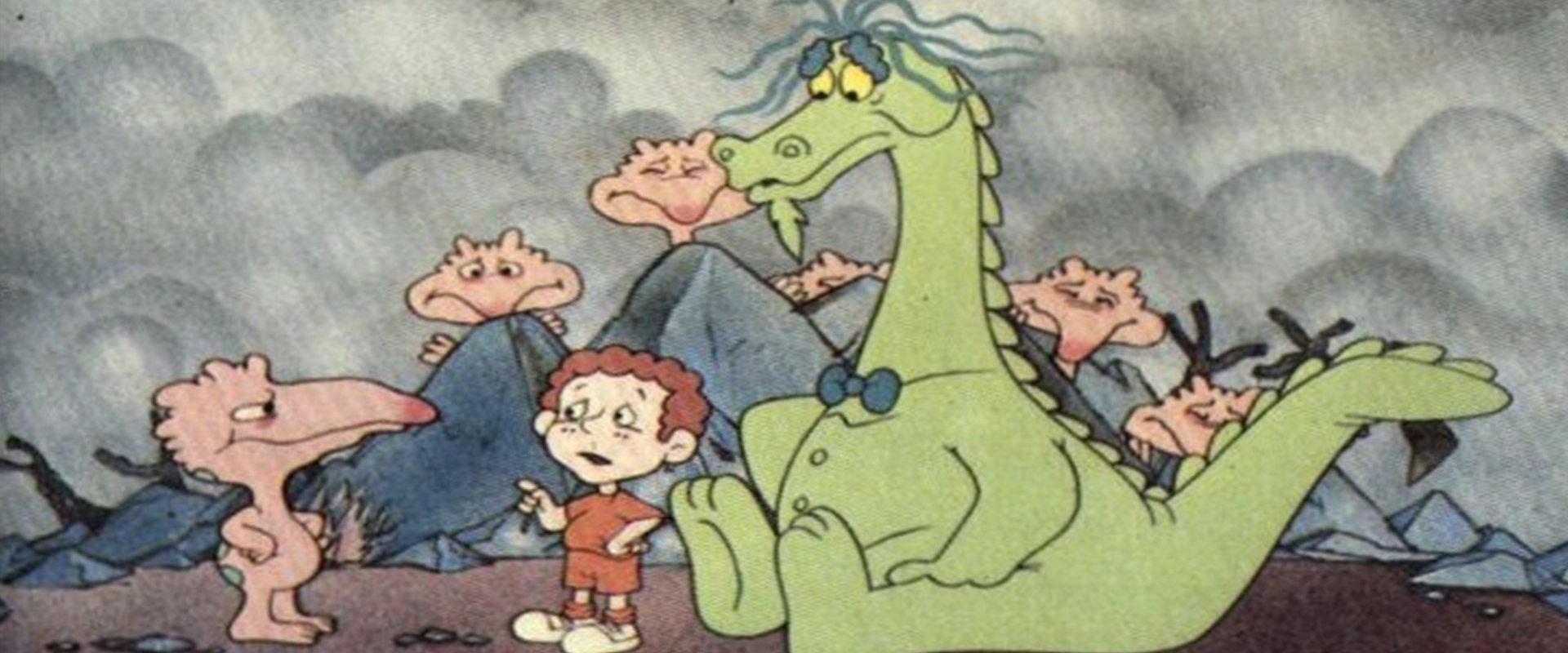
Before every toy had a tie-in series, we had these odd, standalone TV specials that felt more like filmed storybooks than commercial products. Puff the Magic Dragon is the peak of that era. It takes the famous, somewhat depressing folk song and expands it into a 'vision quest' for a boy named Jackie Paper.
What’s remarkable is how it handles Jackie’s condition. He isn't just 'shy'; he's effectively catatonic with fear. The movie doesn't fix him with a magic wand; it fixes him by having him navigate a series of imaginative trials in the Land of Honalee.
Why it holds up (and why it doesn't)
If you're looking for the high-octane gags of SpongeBob or the polished emotional beats of Bluey, you won't find them here. The animation is by Murakami-Wolf, and it has that distinct, slightly grainy, 70s 'watercolor' look. For a modern kid raised on the bright, sharp lines of YouTube animation, this might feel like looking at a dusty old painting.
However, the literacy value is high. Because the movie is so closely tied to the lyrics and narrative structure of the song, it helps younger kids understand how stories can be built out of music. It’s a great example of the 'language comprehension' strand of reading—building background knowledge and vocabulary through a rich, albeit slow, narrative.
The 'Drug' Myth
For the parents: No, it’s not about drugs. That was a persistent urban legend. The creators have been clear for decades that it’s simply about the loss of childhood innocence. Watching it now, that’s obvious. It’s a story about a kid finding his footing in the real world so he can eventually leave the dragon behind. It’s sweet, a little bit haunting, and a total palette cleanser for a family tired of loud, frantic media.