

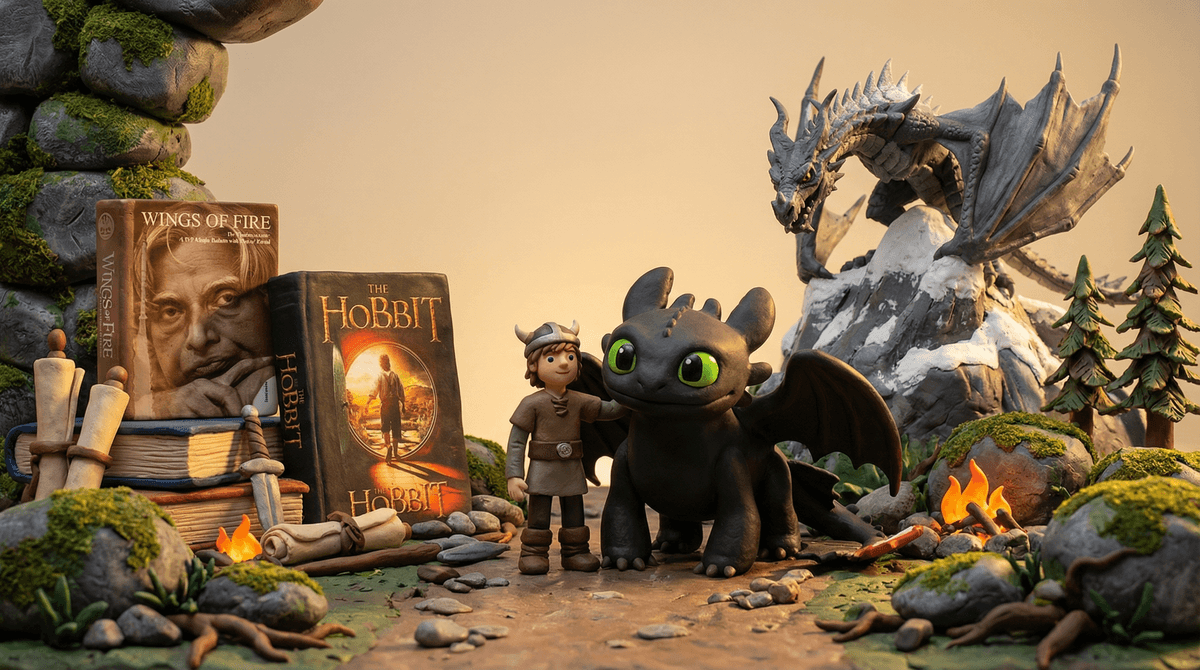
TL;DR: The Best Dragon-Hunting Content for Every Age
For Young Kids (Ages 4-8): How to Train Your Dragon, Dragon Rider by Cornelia Funke, Puff the Magic Dragon
For Middle Grade (Ages 8-12): Wings of Fire series, The Hobbit, Dragonology, Minecraft: Ender Dragon battles
For Teens (Ages 13+): Eragon series, The Elder Scrolls V: Skyrim, House of the Dragon, Monster Hunter Rise
Dragon hunters are everywhere in kids' media right now, and honestly? It's one of the better obsessions they could have. Unlike some trends (cough Skibidi Toilet cough), dragon-hunting stories actually come with built-in lessons about courage, strategy, respecting nature, and understanding that sometimes the "monster" isn't the real villain.
But here's the thing: "dragon hunter" content ranges from adorable picture books about befriending dragons to incredibly violent games where you're literally crafting armor from dragon scales. So let's break down the best dragon-hunting content by age, because handing your 7-year-old the controller for Monster Hunter is... not the move.
How to Train Your Dragon (Movie & Show)
This is the gold standard for introducing kids to dragon mythology without the nightmare fuel. Hiccup's whole arc is about not hunting dragons—he realizes they're misunderstood and becomes the ultimate dragon advocate instead. The original movie is genuinely great filmmaking (that John Powell score!), and the Netflix series Dragons: Race to the Edge extends the universe with 8 seasons of dragon adventures.
What to know: The later movies get more intense. The third film deals with separation and loss in ways that absolutely wrecked some kids (and parents). Preview before your sensitive kiddo watches.
If your kid loved [Inkheart](https://screenwiseapp.com/media/inkheart-movie, they'll devour this. It's about a silver dragon named Firedrake searching for a legendary dragon haven, with a human boy and a brownie along for the ride. The "hunter" here is a villain they're fleeing from, so it's more adventure-quest than combat-focused.
Reading level: Solid chapter book for independent readers around 8, or great read-aloud for younger kids who can handle longer stories.
Okay, this 1978 animated special is deeply nostalgic for Gen X parents, but it still holds up for little kids. It's gentle, musical, and has zero actual dragon hunting—Puff is a friend, not a target. Perfect for the 4-6 crowd who just wants to see a friendly dragon do dragon things.
This is peak dragon-hunting age. Kids are ready for more complex plots, strategic thinking, and yes, some actual dragon battles.
This is the series that's absolutely dominating middle school right now. Fifteen books (and counting) told from the dragons' perspective—they're the protagonists, and humans are the side characters. The dragons have distinct tribes, prophecies, wars, and incredibly complex politics.
Why kids are obsessed: It's Game of Thrones but make it dragons and age-appropriate. The worldbuilding is insane, there are graphic novels for reluctant readers, and the fandom is massive. Your kid will want to know which dragon tribe they'd belong to (it's basically Hogwarts houses but with fire-breathing).
Parent heads-up: There's battle violence (dragons die, sometimes graphically described), and some darker themes around war and prejudice. But it's all in service of really thoughtful storytelling about conflict resolution and understanding different perspectives.
Smaug is THE dragon. The gold standard. The dragon all other dragons are measured against. If your kid is ready for Tolkien's prose (which, let's be honest, can be dense), this is the ultimate dragon-hunting tale. Bilbo doesn't fight Smaug with swords—he uses his wits, which is a refreshing change from "stab the dragon until it dies."
Movie note: The Peter Jackson films are visually stunning but they're LONG and they added a lot of battle content that wasn't in the book. The animated 1977 version is actually more book-accurate and less intense.
This isn't a story—it's a "field guide" written as if dragons are real and you're studying them scientifically. Kids who love the Diary of a Wimpy Kid format but want something more educational will eat this up. It's got flaps, textures, and feels like a real research journal.
Perfect for: The kid who wants to understand dragons, not just read stories about them. Pairs great with any of the fiction recommendations.
Yes, I'm including this. For millions of kids, their first "dragon hunt" is the Ender Dragon in Minecraft. It's the game's final boss, and defeating it requires resource gathering, strategic planning, and usually watching approximately 47 YouTube tutorials.
Why it's actually valuable: Kids learn persistence (you will die many times), preparation (you can't just rush in), and often collaboration if they're playing with friends. The violence is extremely blocky and abstract. If you're looking for alternatives to Minecraft with similar dragon content, check out Dragon City, though be warned it's got some aggressive in-app purchases.
This is the series that made a generation of kids want to be dragon riders. Four massive books following Eragon and his dragon Saphira through a war against an evil king. It's clearly influenced by Star Wars and Lord of the Rings, but it's got its own magic system and plenty of dragon-rider bonding.
Real talk: Paolini started writing this at 15, and sometimes it shows. The prose can be overwrought, and there are some pacing issues. But teens generally don't care—they're here for the dragon telepathy and epic battles.
Content warning: There's romance (nothing explicit), battle violence, and some torture scenes in later books. Solidly PG-13 territory.
You are literally the "Dragonborn"—a dragon hunter with the soul of a dragon. This open-world RPG is over a decade old but it's still being discovered by new teen gamers constantly. You fight dragons, absorb their souls, and shout them out of the sky with magic voice powers.
Why teens love it: The freedom. You can ignore the main dragon-hunting quest and just... become a cheese thief if you want. It's their story to tell.
Parent considerations: It's rated M for Mature (17+) for violence, blood, and some sexual themes (nothing explicit, mostly implied). Most 13-15 year-olds can handle it, but preview it first if you're on the fence. There's also a surprising amount of reading—this game is text-heavy, which is actually kind of great.
The Game of Thrones prequel is basically "what if everyone had dragons?" It's HBO, so it's got all the violence, sex, and political intrigue you'd expect. This is firmly for older teens (16+), and even then, watch it with them or at least have conversations about what they're seeing.
Why it matters: If your teen is watching it (and many are, let's be real), they're seeing incredibly complex characters, consequences for actions, and frankly, a lot of problematic medieval gender dynamics. It's actually great discussion fodder for talking about power, consent, and how "this is how things were" doesn't mean "this is how things should be."
This is for the teen who wants the hunt—tracking, studying patterns, crafting gear from monster parts, and taking down massive creatures (many of them dragon-like). It's challenging, strategic, and honestly pretty educational about ecosystems and food chains.
The appeal: It's cooperative—teens can hunt with friends online. And there's a real sense of accomplishment when you finally take down that monster that's been destroying you for three hours.
Content note: It's cartoony violence (no blood), but you are definitely killing creatures and carving them up for materials. Rated T for Teen, and that feels right.
Okay, so real dragons don't exist (sorry to break it to you), but there are some amazing nature documentaries that inspired dragon mythology:
- Planet Earth II: The Komodo dragon episode is absolutely wild
- Dragons: A Fantasy Made Real: A mockumentary that treats dragons as if they were real extinct animals. It's campy but kids who love both fantasy and science eat it up.
Ages 4-6: Stick with friendly dragons or stories where dragons and humans become friends. The concept of "hunting" should be minimal—think more "meeting" dragons.
Ages 7-9: Light adventure where dragons might be antagonists, but the violence is cartoonish. Good vs. evil is clear-cut.
Ages 10-12: More complex moral questions (should we hunt dragons?), strategic thinking, and some battle content. Characters can get hurt but it's not gratuitous.
Ages 13+: Mature themes, real consequences, moral ambiguity. Dragons might be intelligent beings you're killing, and the story might make you uncomfortable about that—which is actually the point.
The "hunting" vs. "befriending" spectrum: Modern dragon content has shifted hard toward "dragons are friends" territory, which is generally positive. But some kids actually want the classic knight-vs-dragon dynamic, and that's okay too. It's fantasy violence, and it can coexist with messages about respecting nature.
The collecting trap: Dragon content often comes with merchandise. Dragon City wants you to collect 1000+ dragons. Wings of Fire has toys, graphic novels, and wings you can wear. Set expectations early about what's a reasonable collection vs. "we're not buying every single dragon at Target."
Cultural representations: Dragons mean different things in different cultures. Western dragons are typically evil treasure-hoarders; Eastern dragons are wise and benevolent. If your kid is deep into dragon lore, this is actually a great entry point for conversations about mythology from different cultures .
.
Dragon-hunting content is having a moment, and it's one of the better obsessions your kid could have. Unlike some trends that are pure brain rot, dragon stories typically come with actual narrative structure, character development, and themes worth discussing.
Start here based on your kid's age:
- Under 8: How to Train Your Dragon and Dragon Rider
- 8-12: Wings of Fire series (prepare for a deep dive)
- 13+: Skyrim or Eragon depending on whether they're readers or gamers
And if your kid asks why they can't watch House of the Dragon when they're 10, you can explain that some dragon content is made for adults who can handle complex themes about power and violence—and that's actually a good thing, because it means the storytellers are taking the content seriously.
Want to explore more fantasy content that's age-appropriate? Check out our guides on best fantasy books for middle schoolers or cozy games with magical creatures.