Pikmin

Pikmin

game

2001, Real Time Strategy (RTS), Adventure

WISE
91%

WISE Score

81%

IGDB

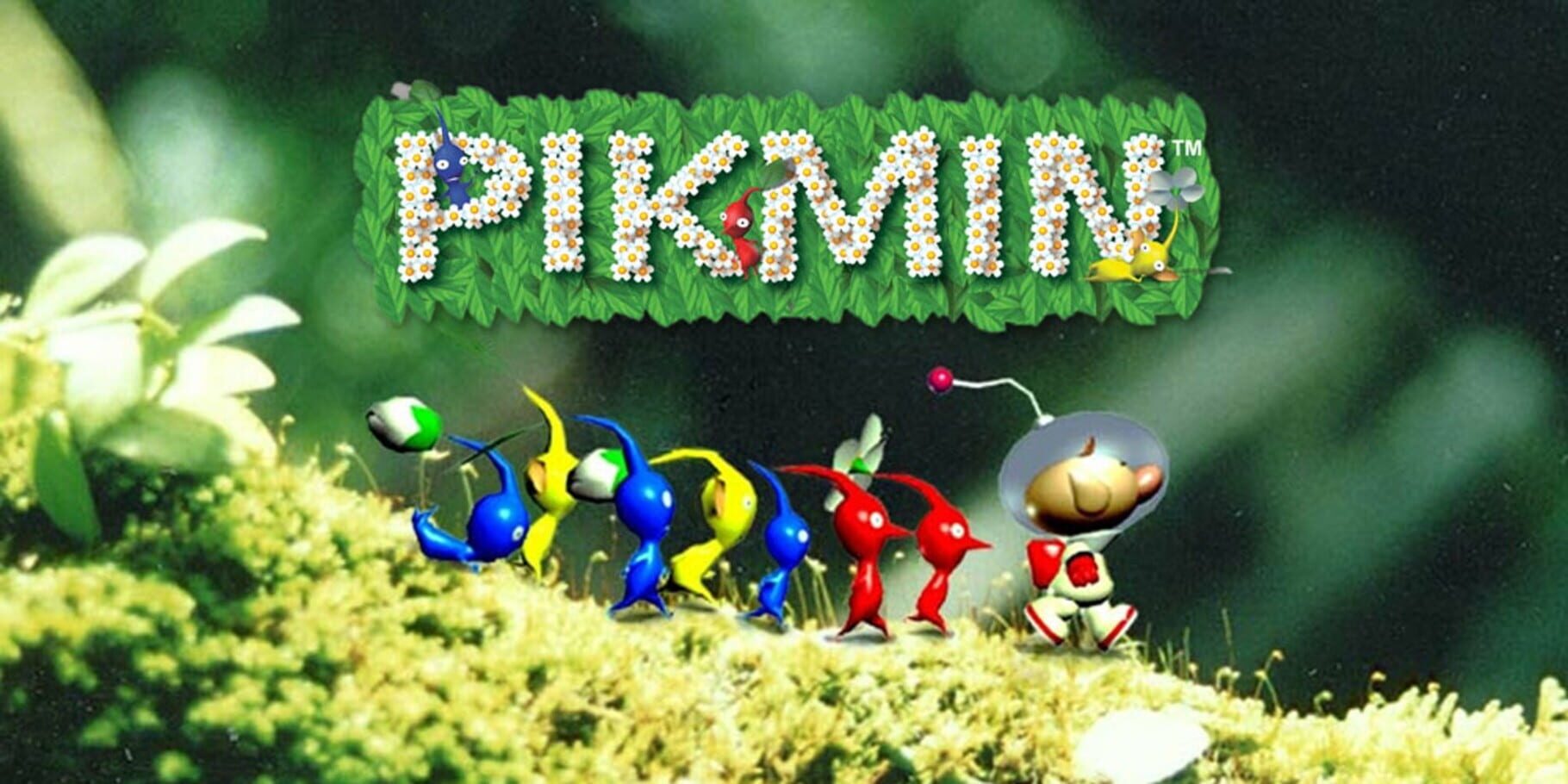
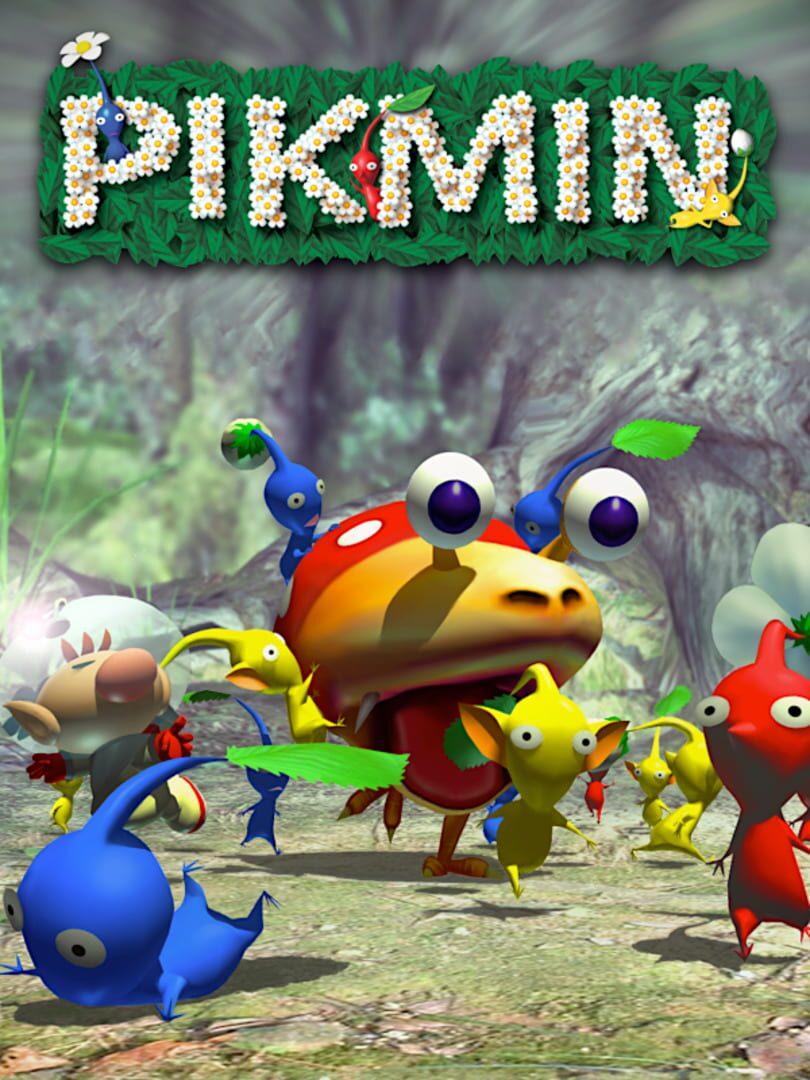
Lead a tiny plant army to rebuild your spaceship while trying not to get them eaten by giant ladybugs.

Where to Play

Screenwise Verdict

Pikmin is a rare bird: a high-stakes strategy game that feels like a nature documentary. It manages to be both incredibly cute and genuinely challenging without ever resorting to cheap tricks or filler.

Even though it’s over 20 years old, the core loop—explore, gather, survive—remains one of the most satisfying experiences in the Nintendo catalog. It’s the perfect 'Baby’s First RTS' because it teaches the fundamentals of the genre (resource management and tactical positioning) without the complexity of a PC-based war sim.

Age Fit

Perfect for ages 7 and up. Younger kids might need help with the 'multitasking' aspect of controlling groups, but the controls are intuitive enough for elementary schoolers to grasp quickly. Adults often find the strategy surprisingly deep.

WISE Breakdown
Wholesome
88

The game centers on cooperation, nature, and the cycle of life. While Pikmin can die (and it's a bit sad), the tone is generally curious and gentle, emphasizing stewardship of your tiny plant-like army.

Imaginative
95

The 'microscopic' perspective turns a backyard into an alien landscape. The creature designs and the mechanics of using different colored Pikmin for specific tasks are incredibly creative and encourage outside-the-box problem solving.

Safe
98

It is a strictly single-player, offline experience with zero monetization, chat, or data-tracking concerns. The only 'danger' is the stylized combat between Pikmin and local fauna.

Enriching
92

This is basically a masterclass in logistics and time management. Kids have to prioritize tasks, manage resources, and handle the consequences of a ticking clock, all while learning basic strategic thinking.

Parent Info

Why It Might Be Great

  • Logistics training that doesn't feel like a chore; kids learn to juggle multiple groups of workers and prioritize the most important tasks.
  • The unique perspective makes everyday objects like bottle caps and batteries feel like legendary artifacts, sparking curiosity about the physical world.
  • It rewards strategic patience rather than button-mashing, making it a great alternative to high-octane action games.
  • The 30-day time limit introduces a manageable level of pressure that teaches kids how to plan ahead and recover from setbacks.

What to Watch For

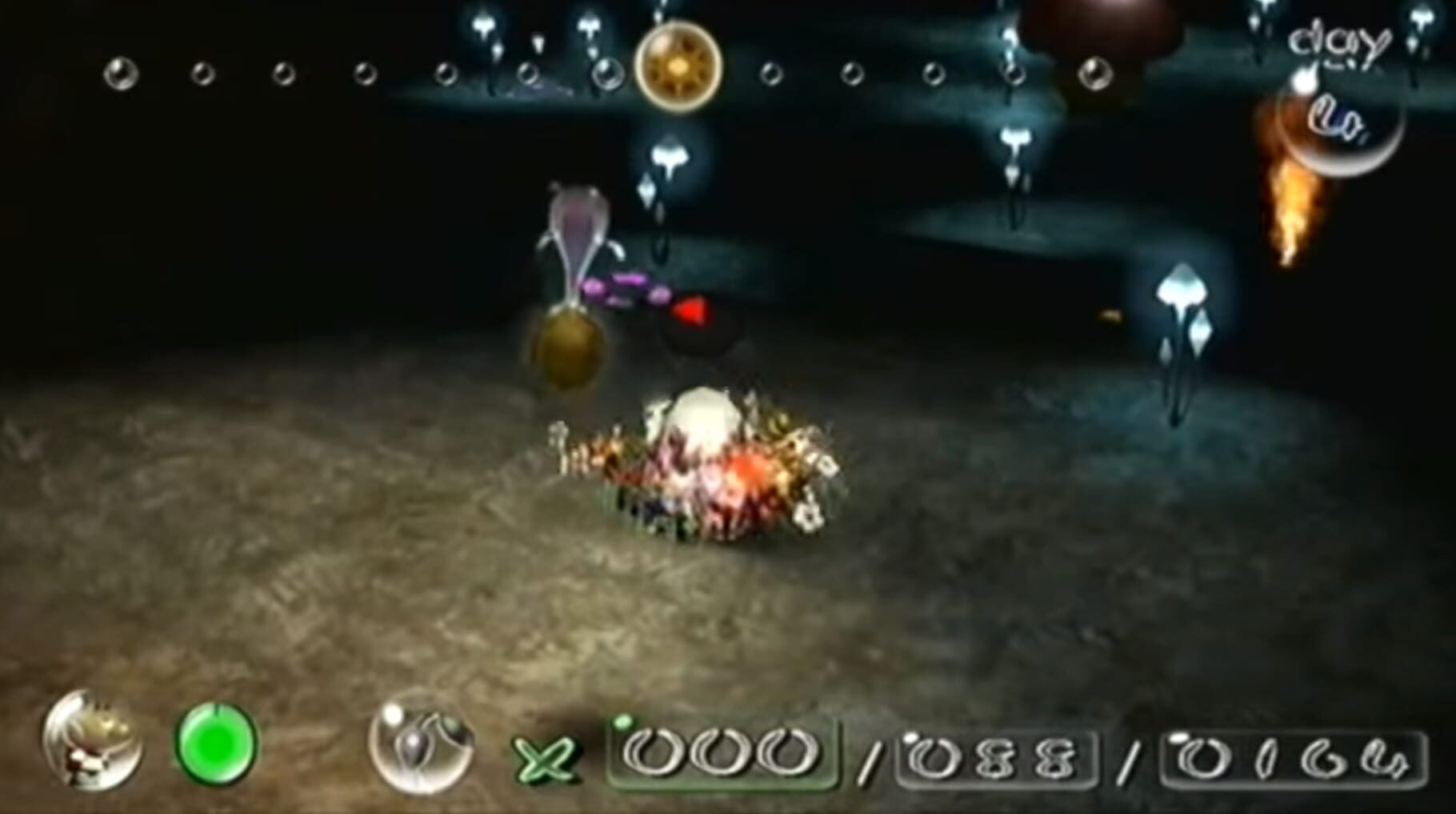
  • Pikmin do die. When they get eaten or drowned, they emit a tiny, pitiful ghost and a sad sound that can be surprisingly upsetting for sensitive kids.
  • The 30-day clock is a hard limit. If a player doesn't get enough ship parts by the end, they 'fail' the mission, which might lead to frustration or a need to restart the game.
  • The controls in the original 2001 version can feel a bit clunky; if you're playing on modern hardware, look for the HD port on the Switch for a smoother experience.

Conversation Starters

  • "If you were an inch tall, what would be the most dangerous thing in our backyard?"
  • "Why is it better to have a team of different specialists (like red, yellow, and blue Pikmin) instead of just one kind?"
  • "How do you decide which ship part to go after first when time is running out?"
  • "Does the 30-day timer make the game more fun or just more stressful? Why?"

Deep Dive

The Genius of the Tiny Army

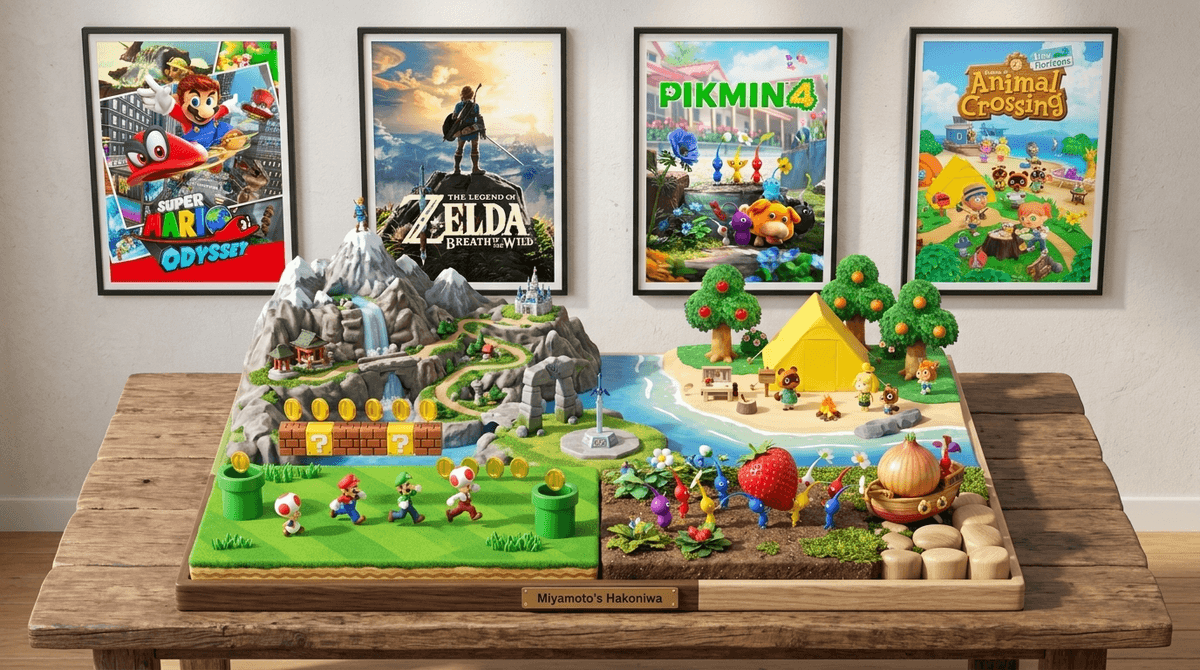
When Shigeru Miyamoto (the guy behind Mario and Zelda) looked at his garden and imagined a thousand tiny creatures working together, he accidentally created one of the best logic-teaching tools in gaming. Pikmin isn't just about being a cute space captain; it's about the mental overhead of management.

You play as Captain Olimar, an astronaut who has 30 days to find his ship parts before his life support fails. This ticking clock is the game's secret sauce. It forces kids to think: 'Do I spend today growing more Pikmin, or do I risk my current squad to fight that giant Bulborb?' It’s a lesson in opportunity cost that hits harder than any textbook.

Why the 'Death' Matters

In most games, when a character dies, you just respawn. In Pikmin, when you lose a squad member, they are gone. You feel the loss because you spent time growing them. This creates a genuine sense of stewardship. Kids often start out playing recklessly, but quickly realize that their success depends on keeping their little plant-friends safe. It’s a soft-touch way to teach responsibility and tactical caution.

2001 vs. Today

While we're scoring the original 2001 release, it's worth noting that the game was re-released on the Nintendo Switch in 2023. If you have the choice, get the Switch version. The camera controls are better, and the resolution bump makes the 'micro-world' actually look as lush as we remembered it looking on the GameCube. Regardless of the platform, the gameplay remains timeless. It doesn't rely on 2001-era gimmicks; it relies on a rock-solid loop of exploration and puzzle-solving that still feels fresh in 2026.

What Parents Ask

Ask Anything

Get a personalized guide on any topic