The Golden Age Animation Trap
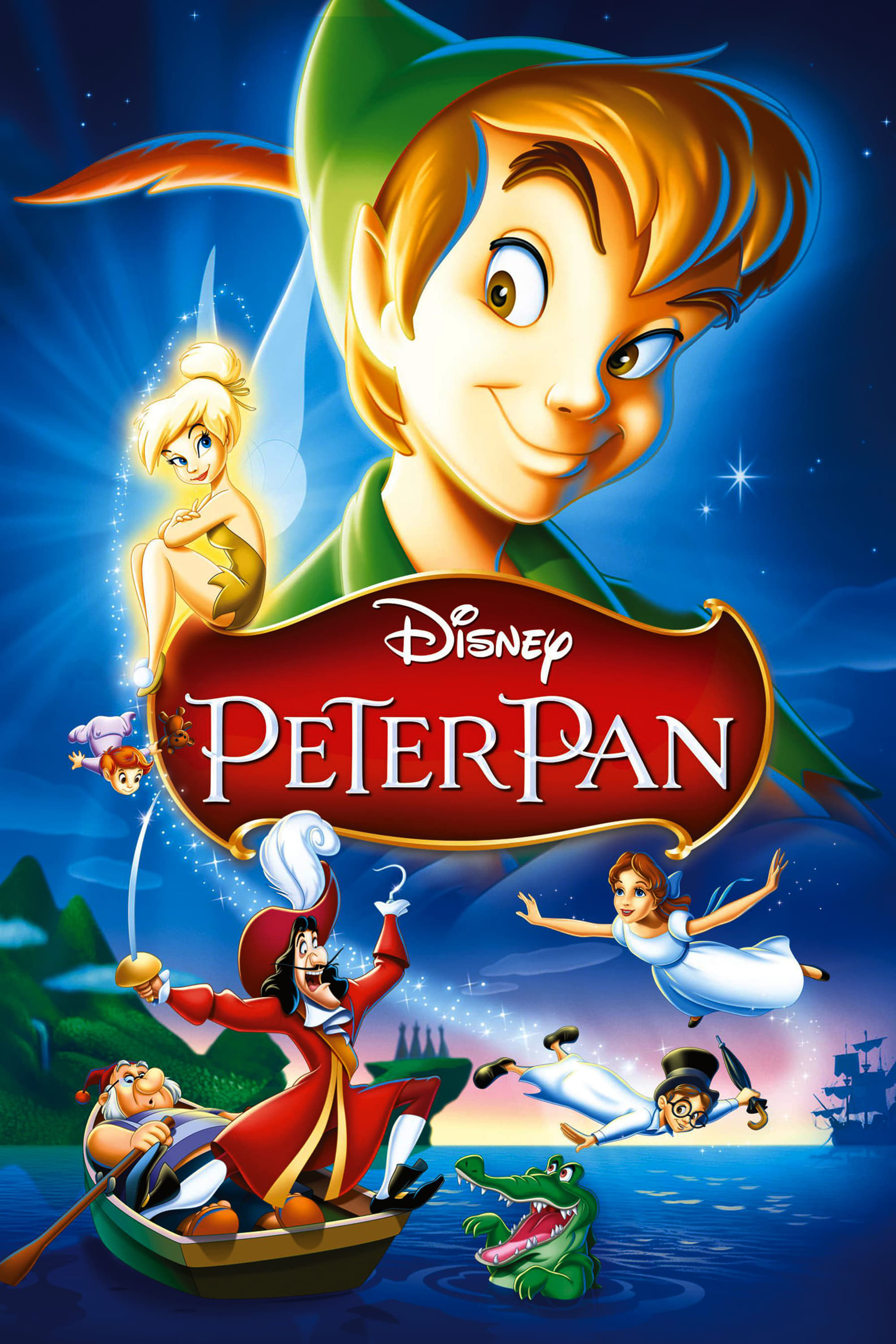
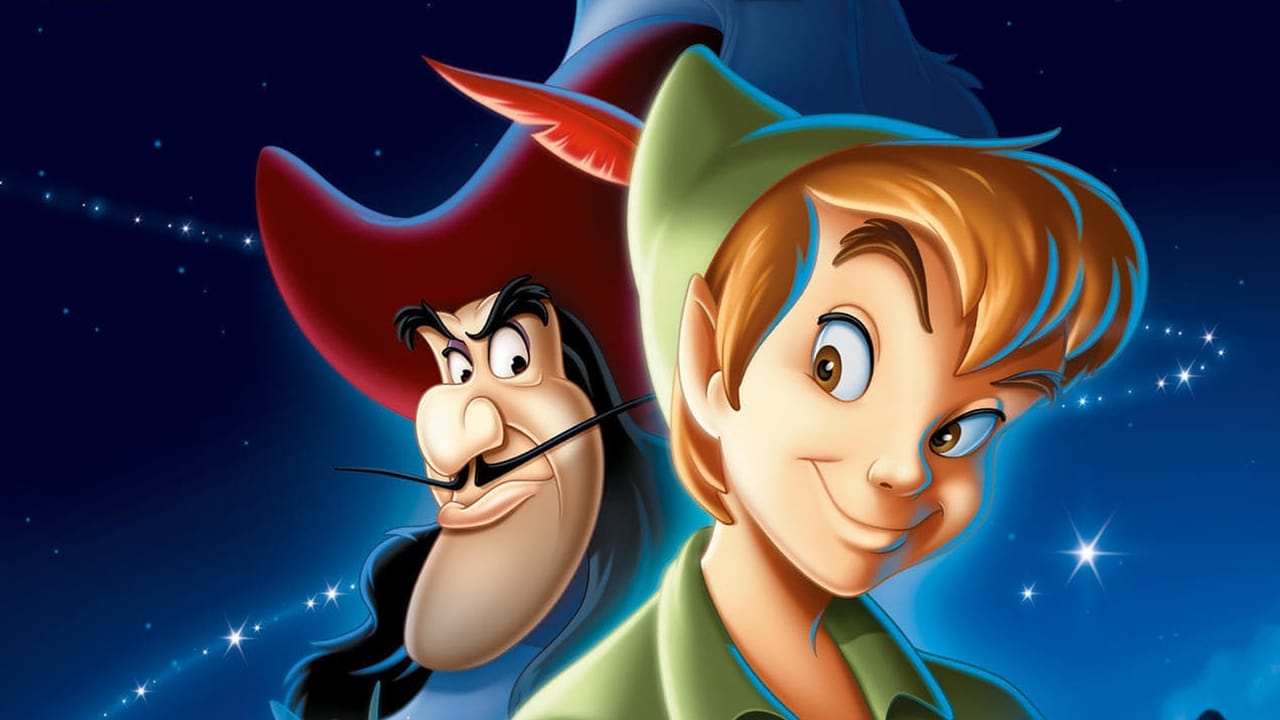
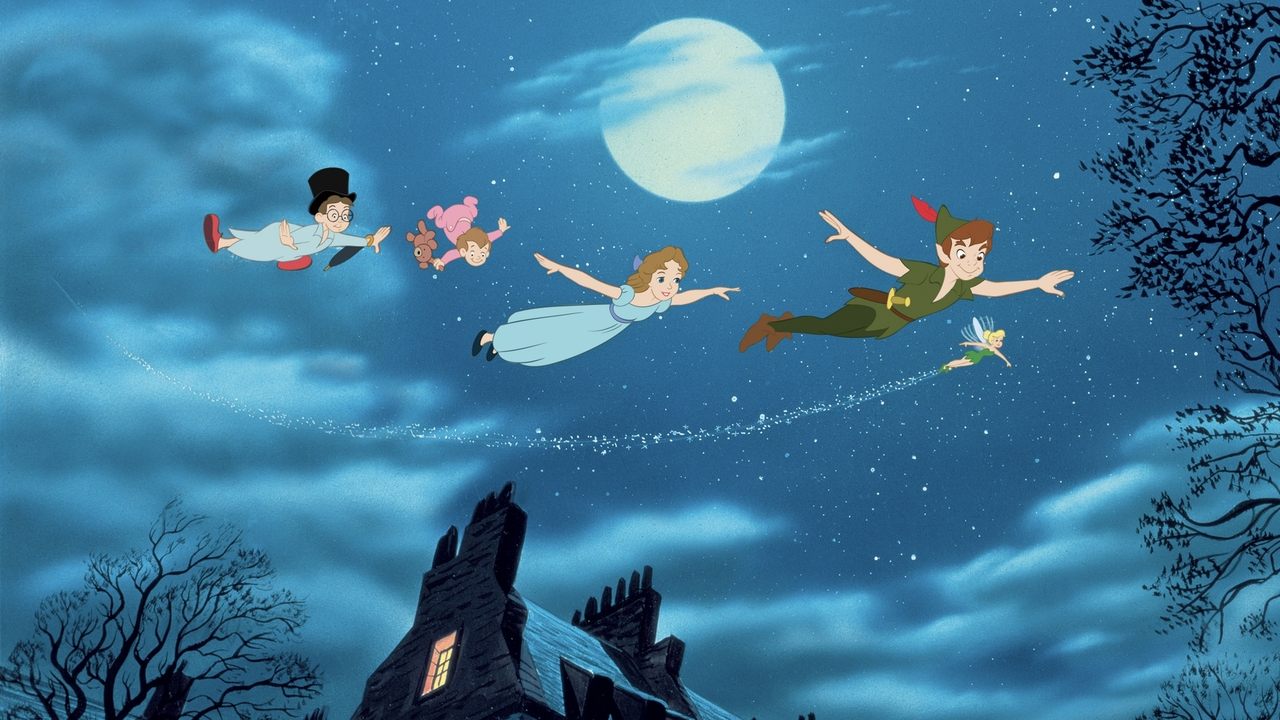
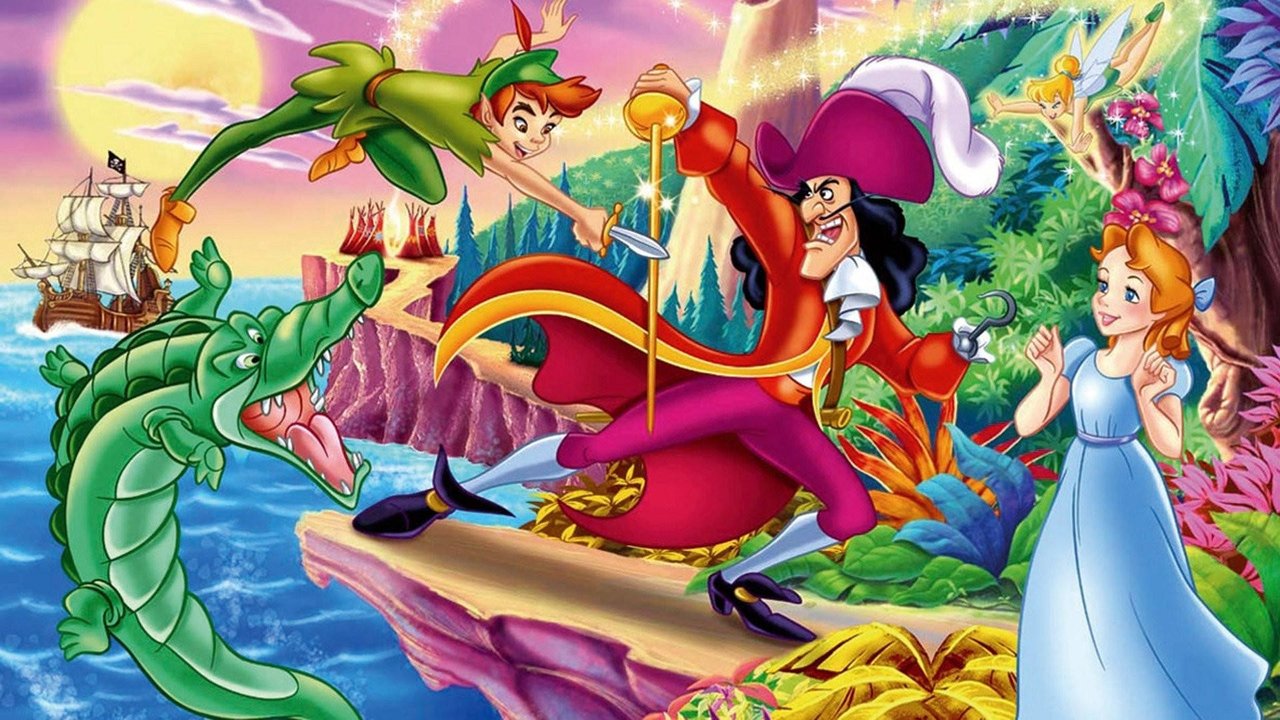
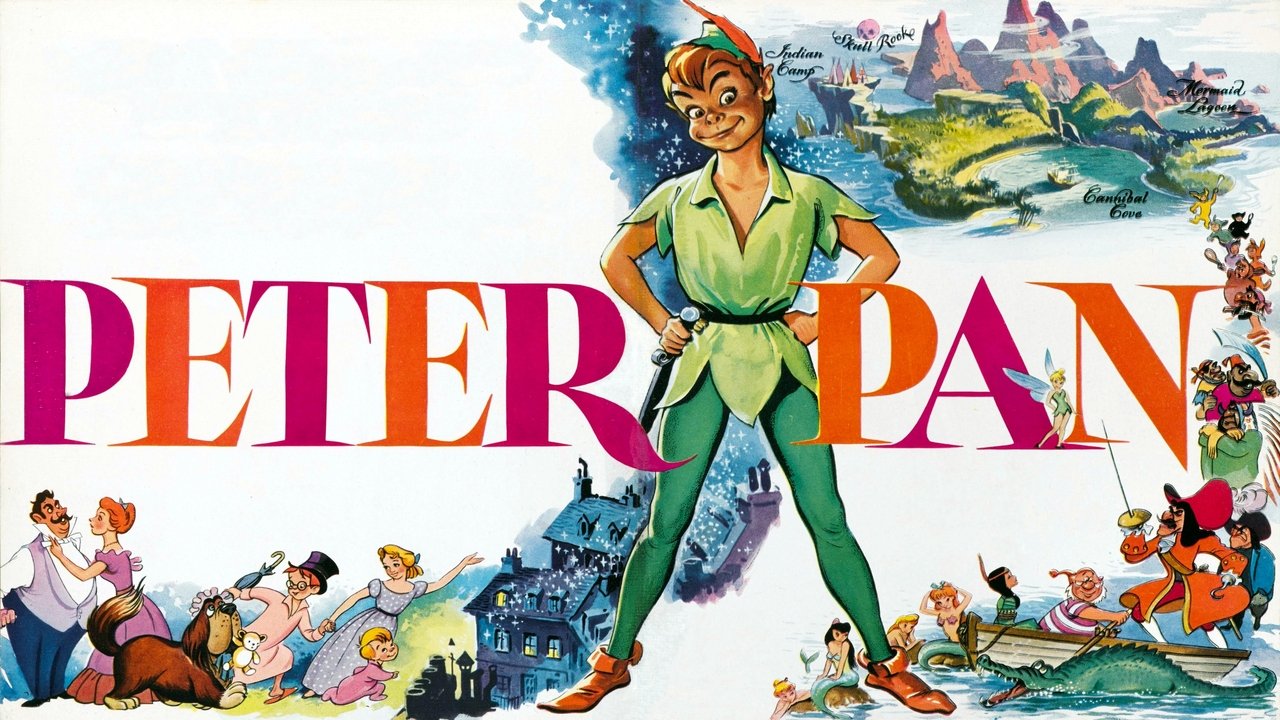
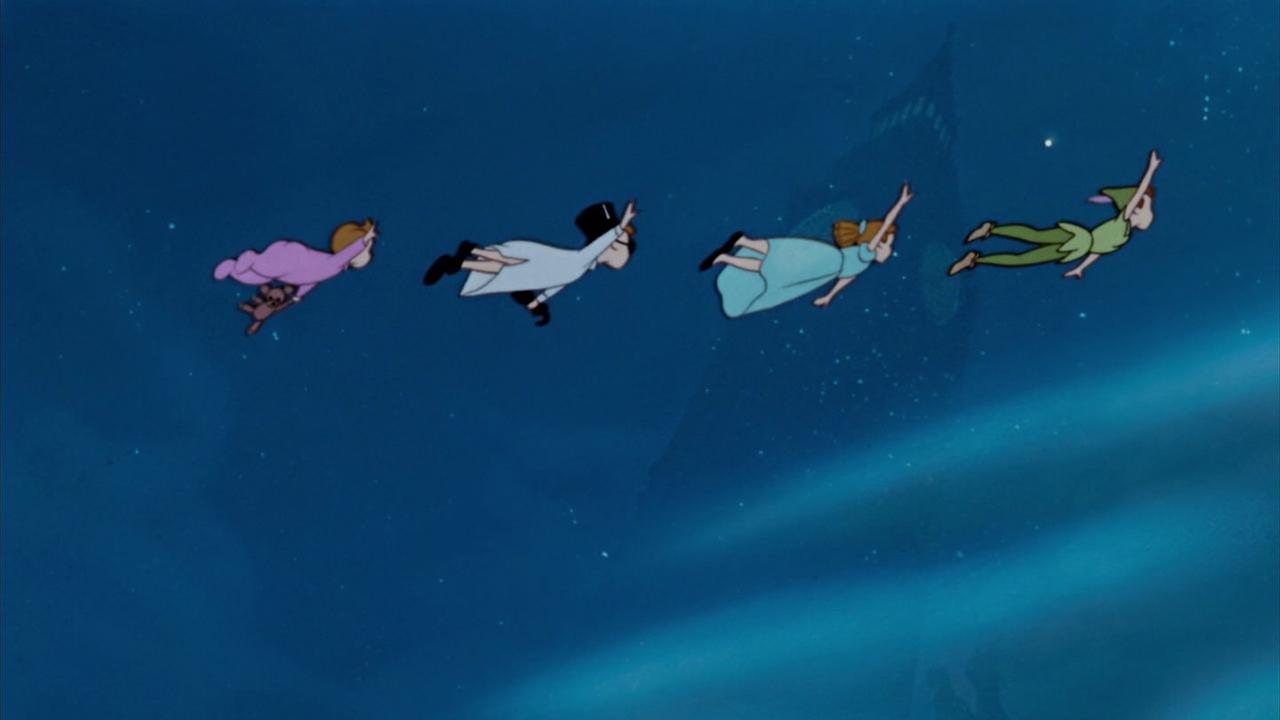
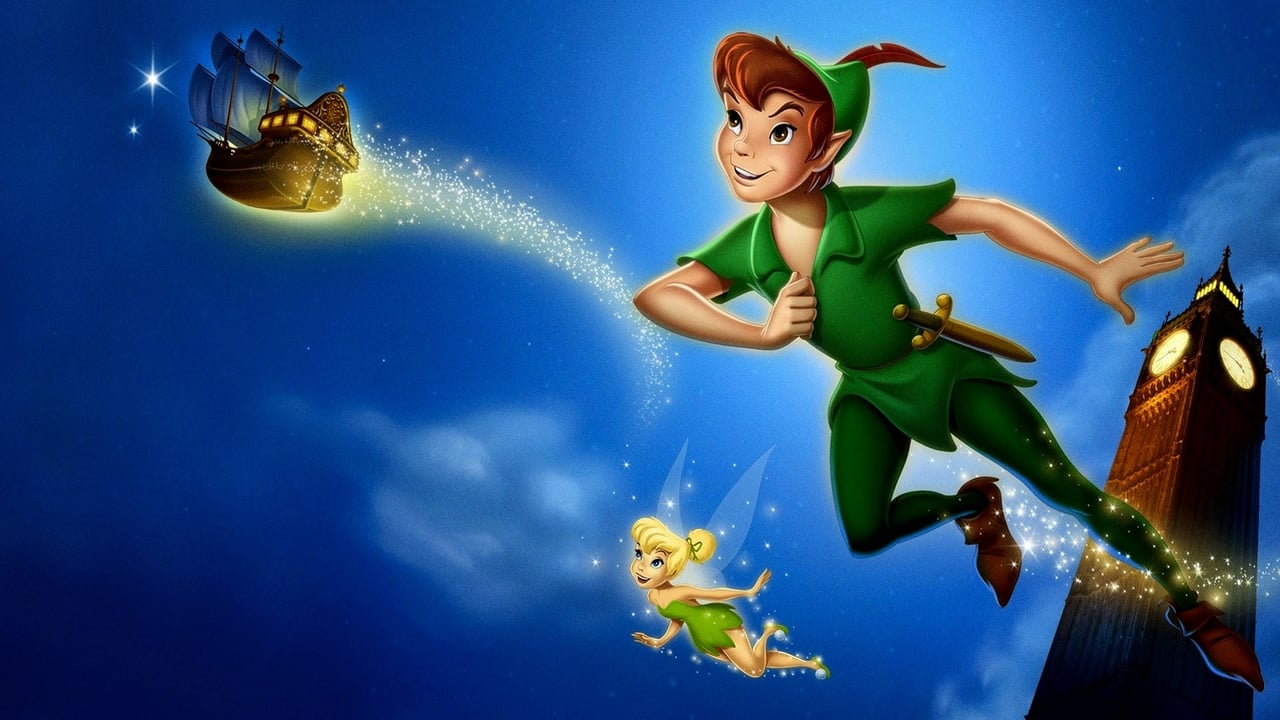
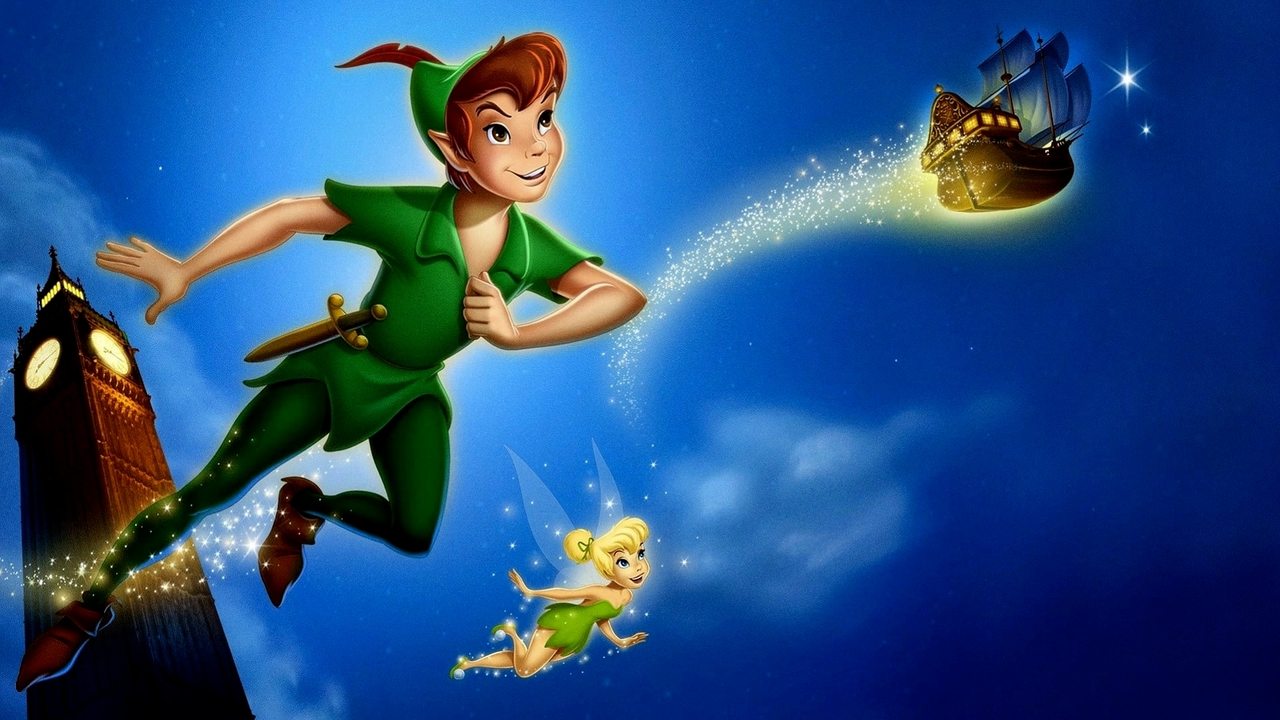
Watching Peter Pan today puts you face-to-face with mid-century Disney's greatest strength and its ugliest blind spot. On one hand, the Nine Old Men (Disney's legendary core animators) were firing on all cylinders. The silhouette of children flying against a moonlit London, the fluid antics of Nana the dog nursemaid, and the vaudeville comic timing between Captain Hook and Smee remain masterclasses in character animation. modern digital animation rarely matches the sheer kinetic joy of Peter dodging a rapier by floating upside down.
Then the second act arrives, and the film grinds to a halt at the Indian encampment.
Handling the Caricatures Without a Lecture
The depiction of Native Americans in Peter Pan isn't subtle background bias. It is a full-blown minstrel-style sequence built around slurs, gibberish phrases, exaggerated bright-red character design, and the song "What Made the Red Man Red."
Disney itself now places this film under its "Stories Matter" initiative, locking it behind adult profiles on Disney+ and appending a 12-second content warning. You don't need to give a college lecture to a seven-year-old, but you do need to state the fact clearly:
"People in 1953 made cartoons based on silly, untrue stereotypes about Native Americans instead of learning about real tribes."
Kids clock the weirdness instantly if given permission to notice it. Treating the scene casually or ignoring it lets harmful caricatures blend in as normal cartoon play.
The Real Antagonist Is Responsibility
Beyond the racial stereotyping, the movie's actual narrative conflict has aged surprisingly well. Peter Pan is not particularly heroic—he is cocky, forgetful, cruel to Wendy, and terrified of adulthood. Wendy's arc from idealizing Peter to realizing that Neverland's eternal playground lacks love, family, and growth gives the third act real emotional weight.
If your family wants the swashbuckling pirate energy without the cringe, modern adaptations like Hook (1991) or the 2003 live-action Peter Pan handle the material with far better nuance. But as historical pop-culture literacy, the 1953 original still has a place on the screen—provided you sit on the couch next to them.