If you’ve ever heard a three-year-old in suburban Ohio ask for a “biscuit” with a crisp London inflection, you’ve witnessed the Peppa Effect firsthand. This show has a strange, almost hypnotic pull on the preschool demographic that goes beyond just bright colors and simple shapes. It’s one of the few properties that has successfully bridged the American vs. British kids’ TV divide to become a global default for the under-five set.
The Minimalist Magnetism
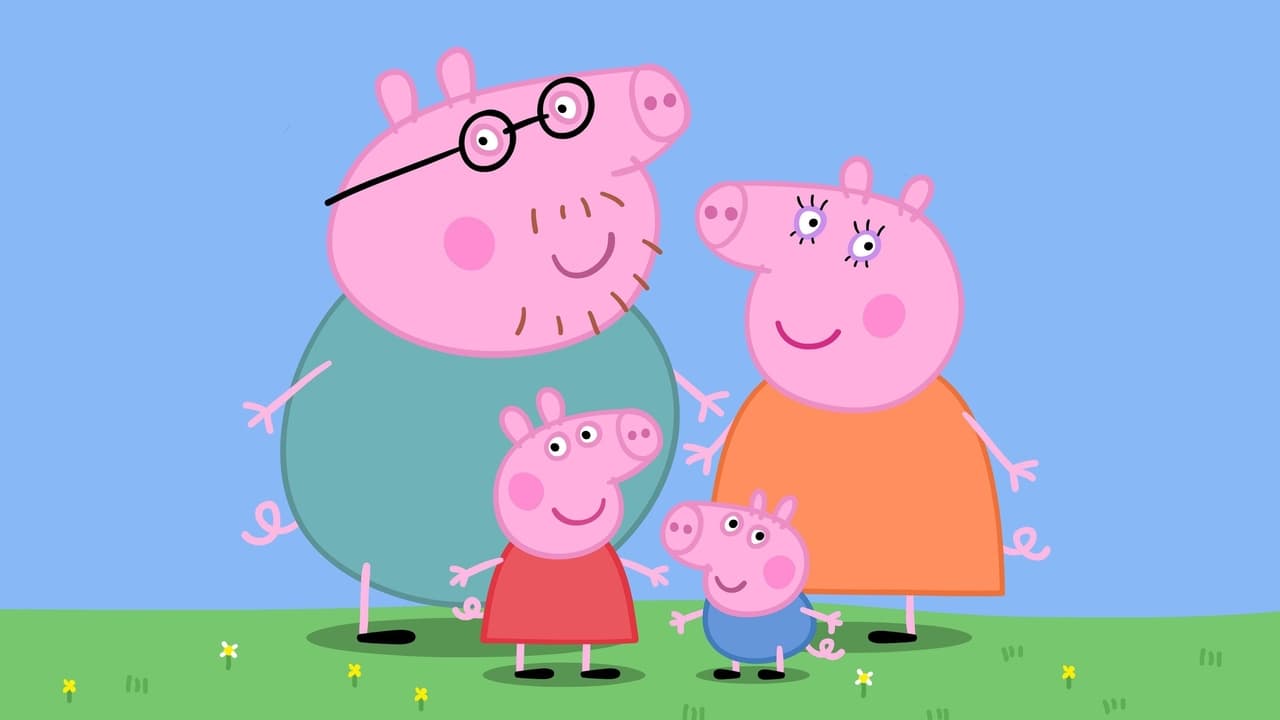
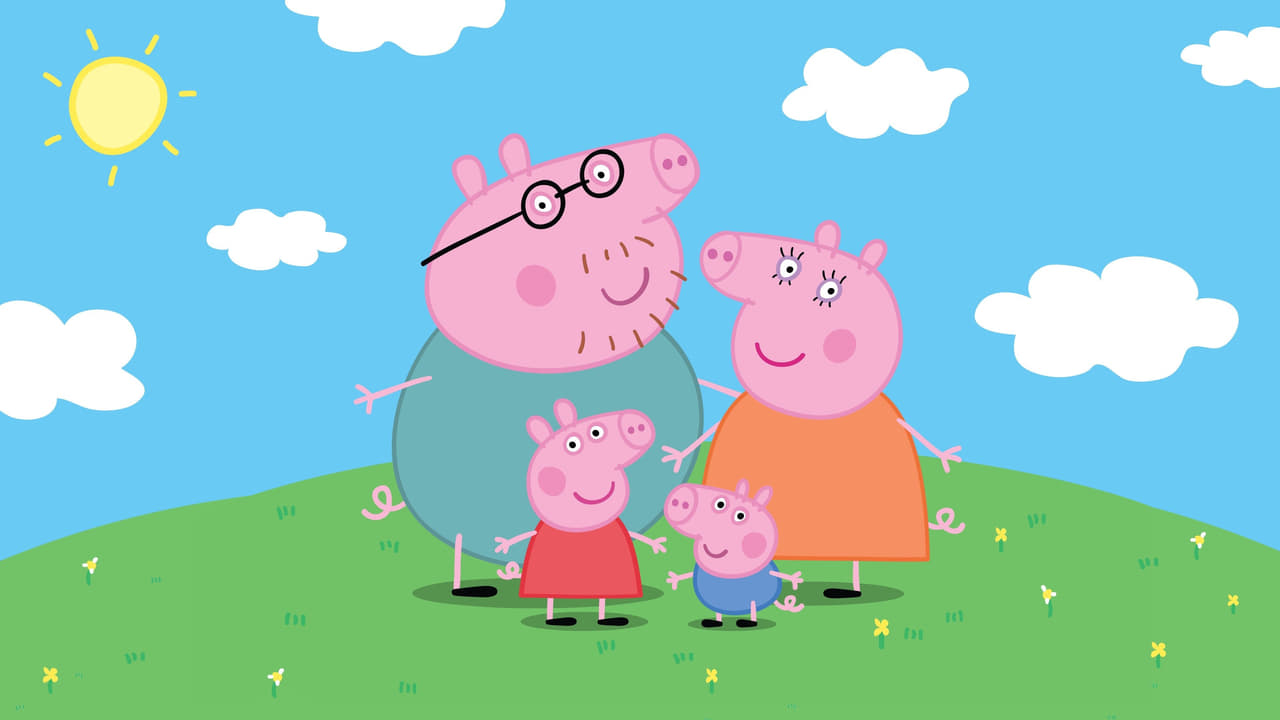
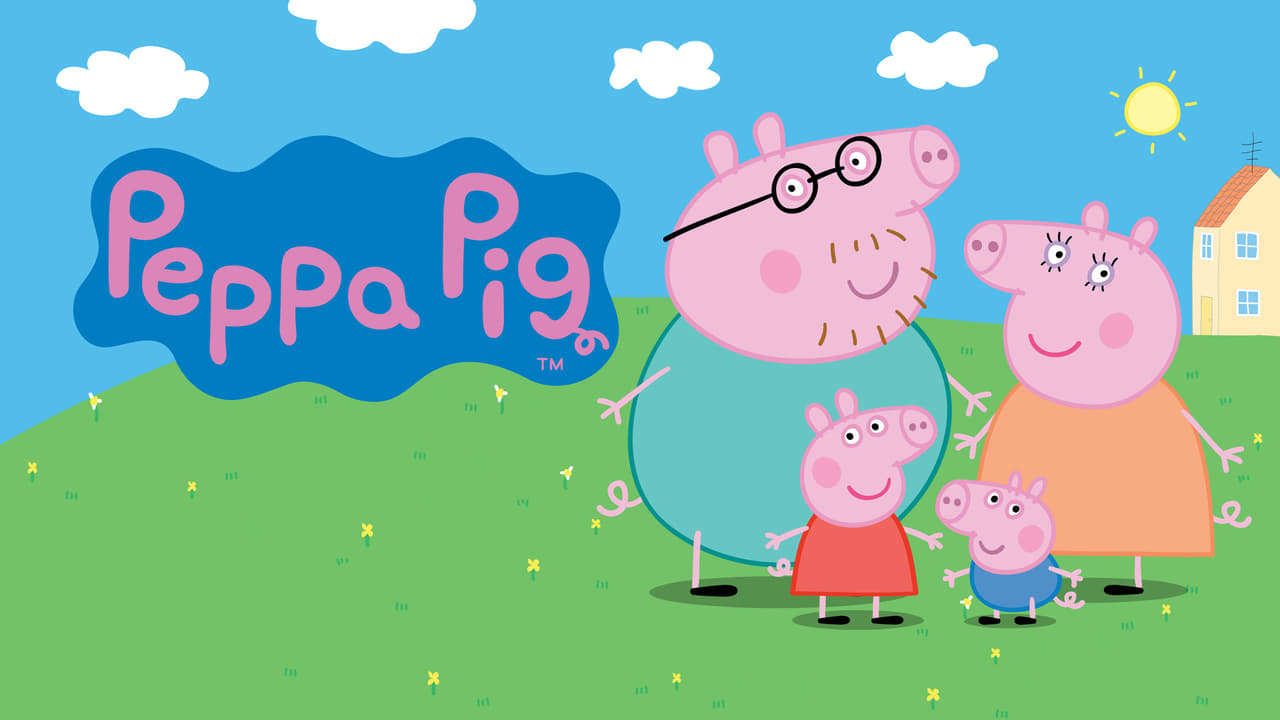
While shows like Paw Patrol lean into high-octane rescue missions and gadgets, Peppa Pig relies on a minimalist illustration style that is essentially catnip for developing brains. The flat, 2D perspective and primary colors mirror how toddlers actually draw. This visual simplicity is a feature, not a bug—it keeps the cognitive load low, which is why it’s a go-to choice for airplane travel or long waits. Because the pacing is so deliberate, kids can actually track the cause-and-effect of a scene without being overwhelmed by rapid-fire edits.
Navigating the "Cheeky" Factor
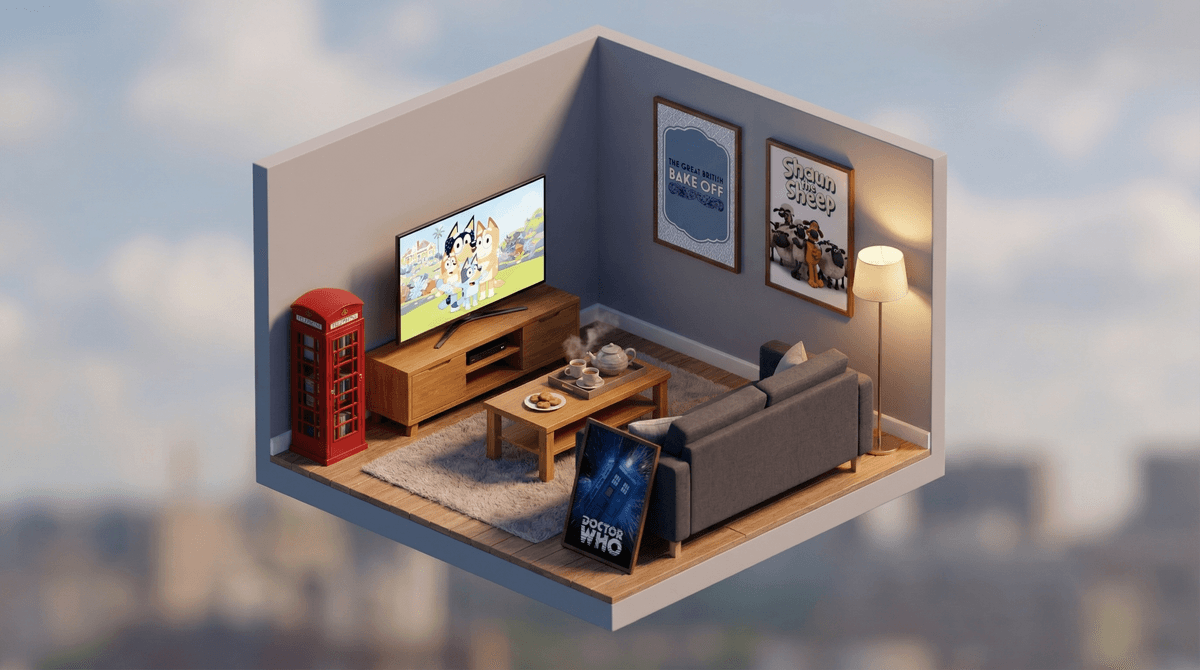
The biggest friction point for parents isn't the animation; it's Peppa's attitude. In the UK, Peppa’s vibe is often described as "cheeky," but to American ears, it can sound like flat-out sass. She frequently pokes fun at Daddy Pig’s "big tummy" and can be dismissive of her younger brother, George. If your child is currently in a phase where they mimic everything they see, you might find yourself needing to decode the British humor for them. It’s worth explaining that just because Peppa says something to her dad, it doesn’t mean it’s the right way to talk to your dad.
For a deeper dive into managing these behavioral mimics, our guide on The Peppa Effect: Accents, Attitudes, and Muddy Puddles breaks down how to handle the "sass" without banning the show entirely.
The Algorithm Trap
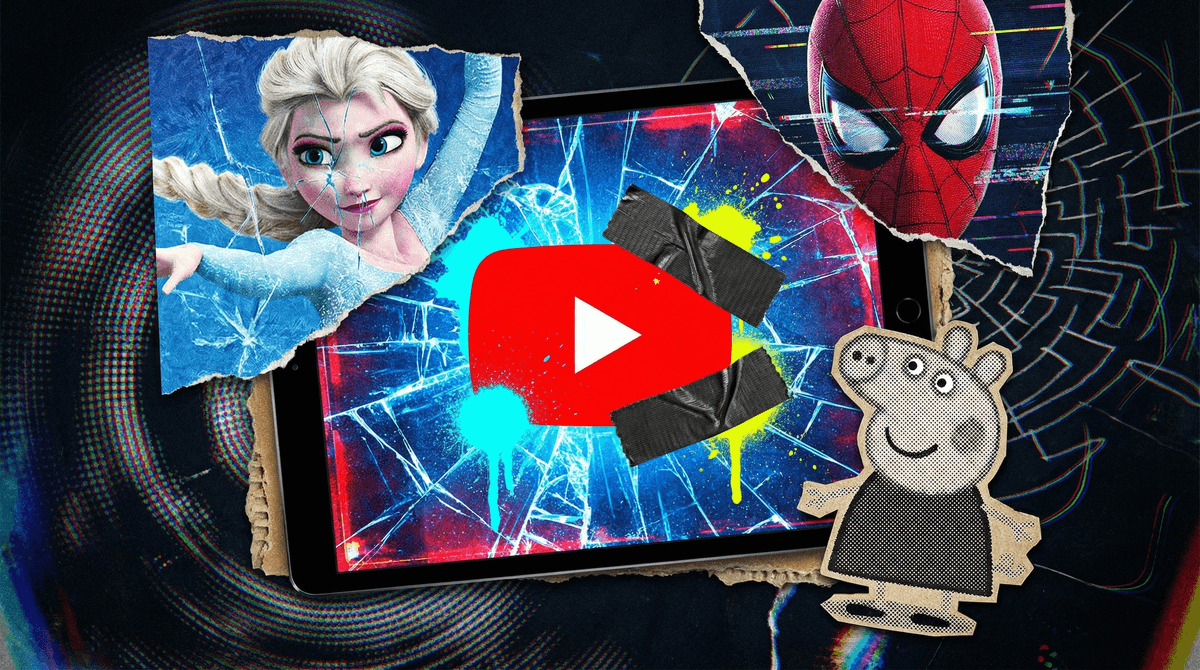
While Peppa Pig is a safe harbor on official platforms like Paramount+ or Netflix, it is one of the most "parodied" shows on the open internet. If you let your child browse the standard YouTube app instead of a curated environment, they are only a few clicks away from disturbing fake kids' videos that use Peppa’s likeness in weird or violent scenarios. This is a show where you want to be very intentional about where they are watching. Stick to the official apps or a supervised streaming experience to ensure they’re getting the actual show and not a strange algorithmic imitation.
If You Liked Peppa...
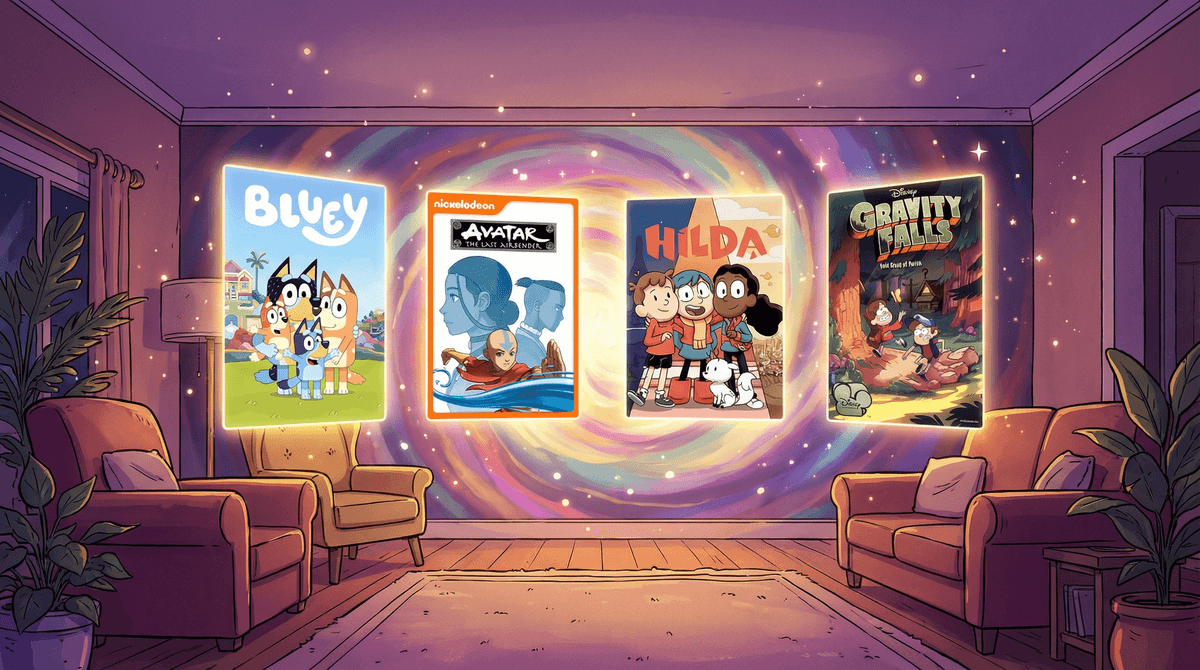
Once your child hits age four or five, the simple charms of Peppa usually start to wear thin. They’ll likely graduate to Bluey, which offers a similar family-centric focus but with significantly more emotional depth and humor that actually appeals to adults. If you’re looking for something that offers a bit more educational value while keeping the gentle pacing, Gabby’s Dollhouse is a solid next step that trades muddy puddles for a "growth mindset" curriculum.