Why a 54-episode Chinese drama from 2015 is worth your time
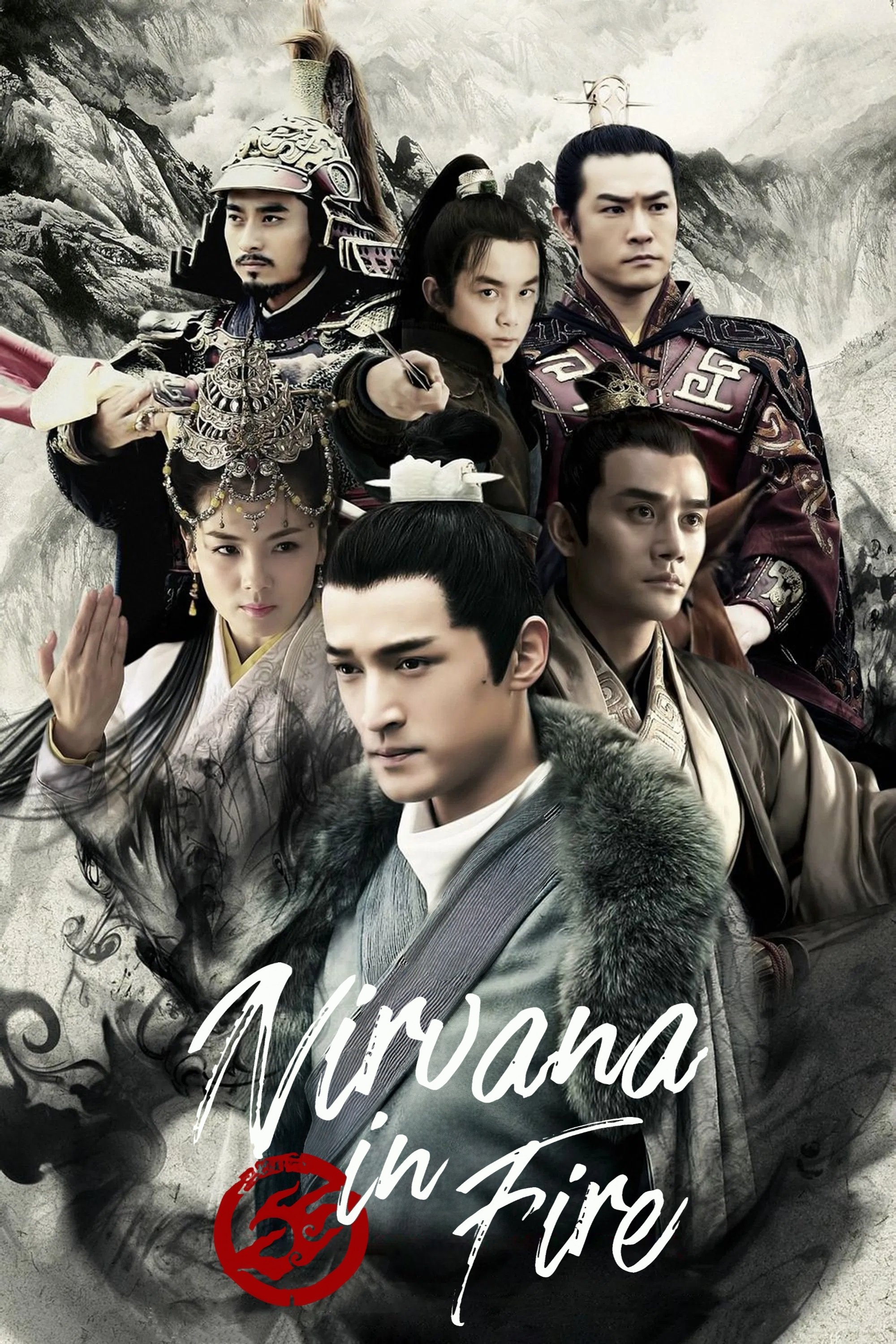
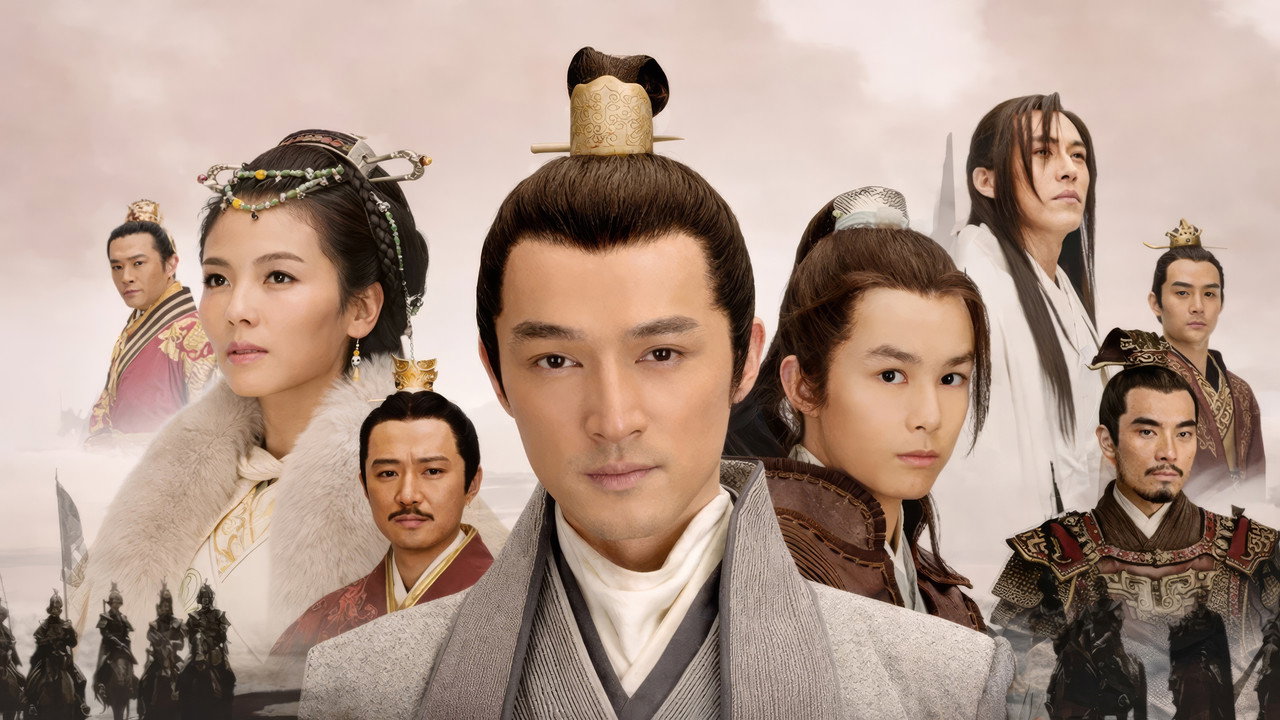
Most television about political scheming relies on shock value: sudden decapitations, graphic betrayals, and characters getting progressively worse until you hate everyone on screen. Nirvana in Fire (Lang Ya Bang) takes a completely different route. Adapted from Hai Yan's novel and starring Hu Ge and Wang Kai, it treats integrity as the ultimate high-stakes gamble.
The setup is pure classical tragedy. After surviving the massacre of his family and army, young marshal Lin Shu undergoes a brutal medical treatment to survive "Fire Poison." It strips away his martial arts prowess, changes his appearance entirely, and leaves him chronically ill. Reborn as the strategist Mei Changsu, he enters the capital of Liang ostensibly to advise the warring Crown Prince and Prince Yu, while secretly backing his neglected childhood best friend, Prince Jing (Xiao Jingyan).
How to survive the Episode 1–3 learning curve
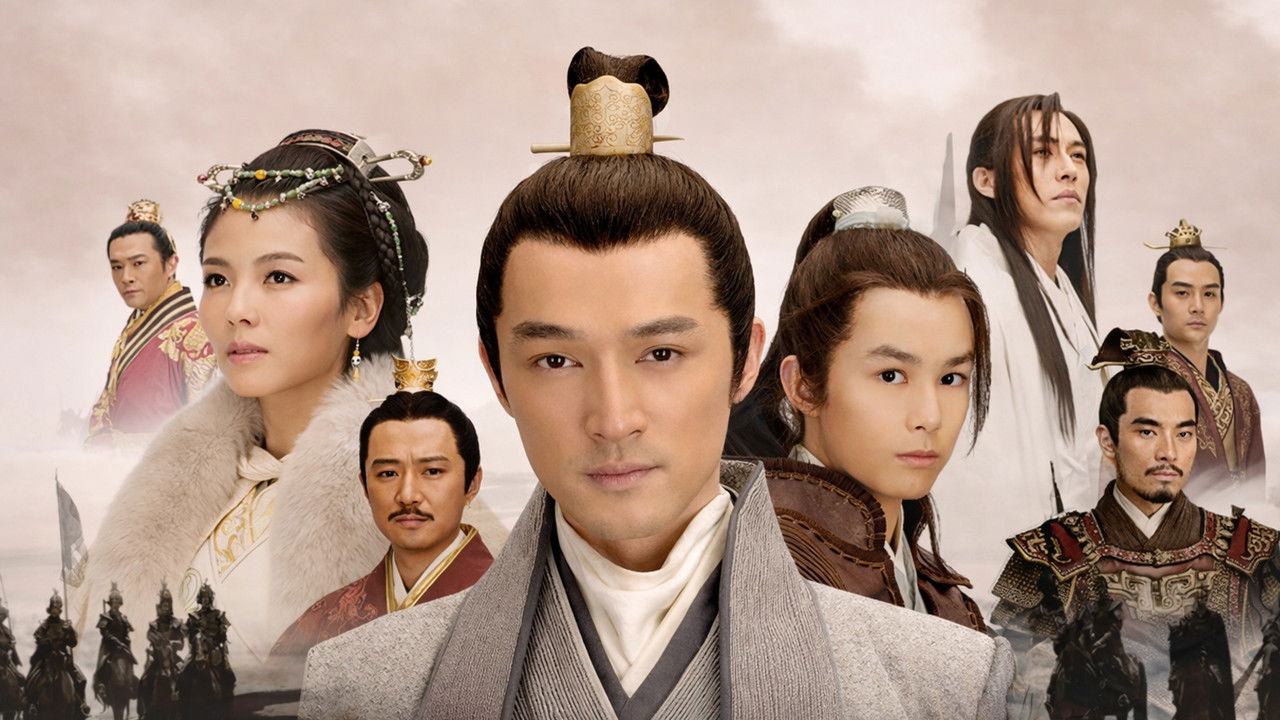
If you put this on with a teen, do not judge it by the first ninety minutes. The opening episodes introduce roughly twenty characters who all have a birth name, a courtesy name, a royal title, and sometimes a secret pugilistic alias.
Here is the cheat sheet that gets you through the door:
- Mei Changsu / Su Zhe / Lin Shu: All the same guy. Mei Changsu is his underworld boss name, Su Zhe is the polite alias he uses in the capital, and Lin Shu is who he used to be.
- Crown Prince vs. Prince Yu: The two spoiled brothers currently tearing the court apart to become Emperor. Mei Changsu plays them against each other.
- Prince Jing (Xiao Jingyan): The seventh prince, exiled to military border duty because he refuses to stop asking questions about the Chiyan treason case from twelve years ago.
- Fei Liu: Mei Changsu's teenage bodyguard—an absurdly skilled martial artist with the social instincts of a feral cat who provides most of the show's physical comedy.
Once the chessboard is set around Episode 4, the momentum is relentless. The show splits into distinct arcs—rescuing hostages, exposing a rigged judicial branch, surviving a siege—each structured like a heist where you only see how the trap was wired when it snaps shut.
Where to watch it cleanly
Look for it on Rakuten Viki, where volunteer subtitle teams have included cultural notes at the top of the screen explaining historical titles and idioms. Those two-second context notes make a massive difference for viewers new to wuxia and historical C-dramas.