











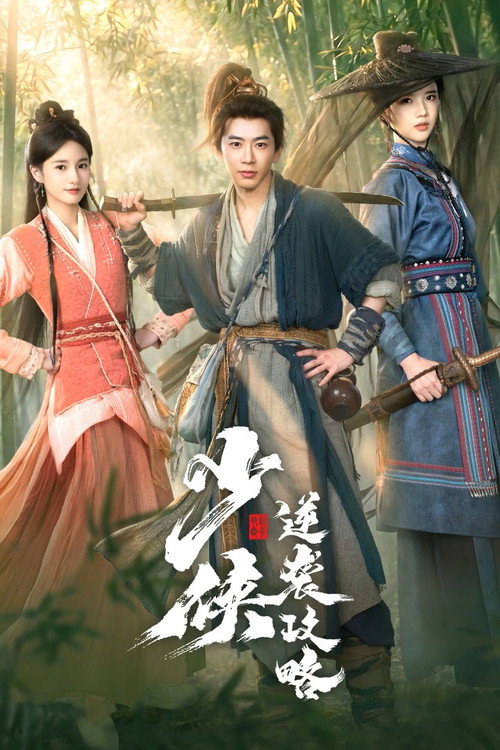

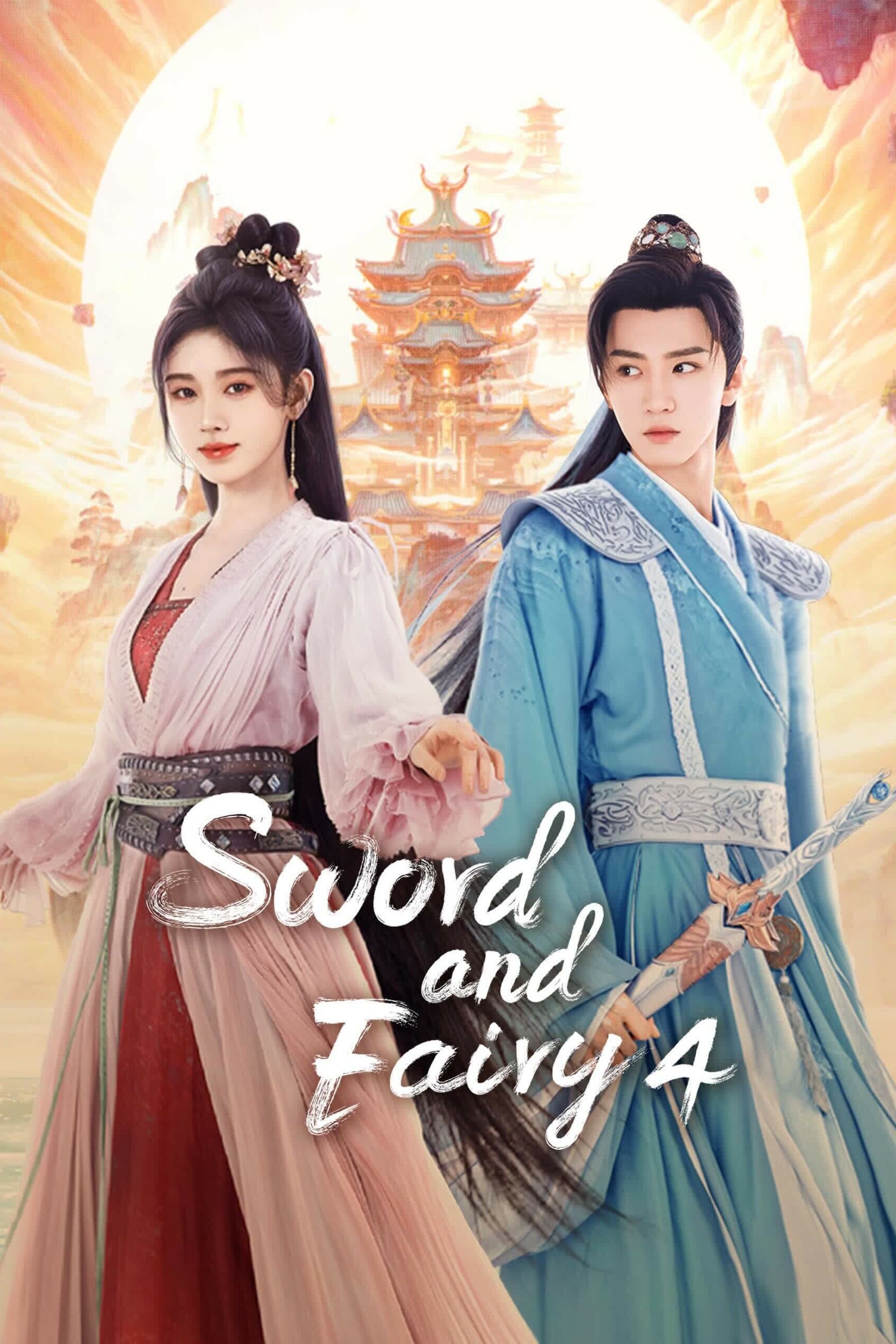







Chinese fantasy television operates on an entirely different scale than Western fantasy, trading tight ten-episode seasons for 40-to-70-episode sagas loaded with soaring wirework, multi-lifetime romances, and labyrinthine political feuds. For older kids, tweens, and adults tired of the standard grimdark formula, high-end xianxia (immortal heroes) and wuxia (martial arts) dramas deliver massive emotional payoff and moral complexity without HBO-level graphic content.
If you want sprawling world-building and unforgettable characters without gratuitous sleaze, Chinese fantasy dramas hit a rare sweet spot. Start with The Untamed for prestige mystery and incredible character devotion, Love Between Fairy and Devil for high-spectacle romance, or Mysterious Lotus Casebook for sharp, ego-free detective action. These shows require stamina and subtitle speed, making them ideal for viewers aged 11 and up who want storytelling with real emotional weight.
When people fall hard for C-dramas, this is usually the door they walked through. These series throw viewers headfirst into distinct mythological realms where characters bounce off each other with incredible wit before the plot shatters their hearts.
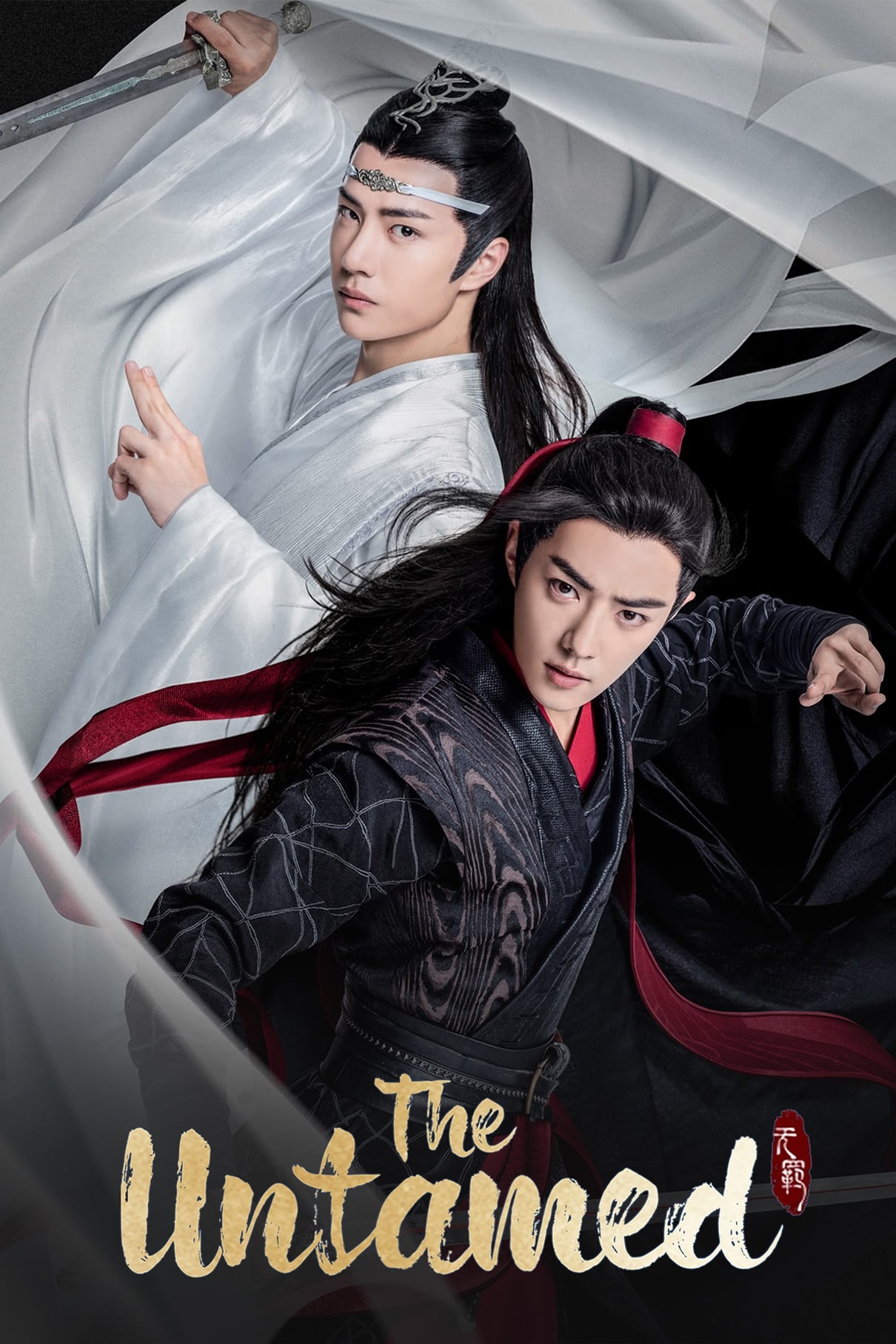
This is the cultural juggernaut that pulled millions into Chinese fantasy. The plot functions as a massive, 50-episode cold-case investigation involving clan politics, demonic cultivation, and social exile. At the center sits Wei Wuxian, a brilliant, irreverent magic user, and Lan Wangji, the stoic rule-follower who stands by him when the rest of the world turns hostile. The first two episodes drop you right into the middle of the confusion, so power through to episode three where the backstory kicks off.
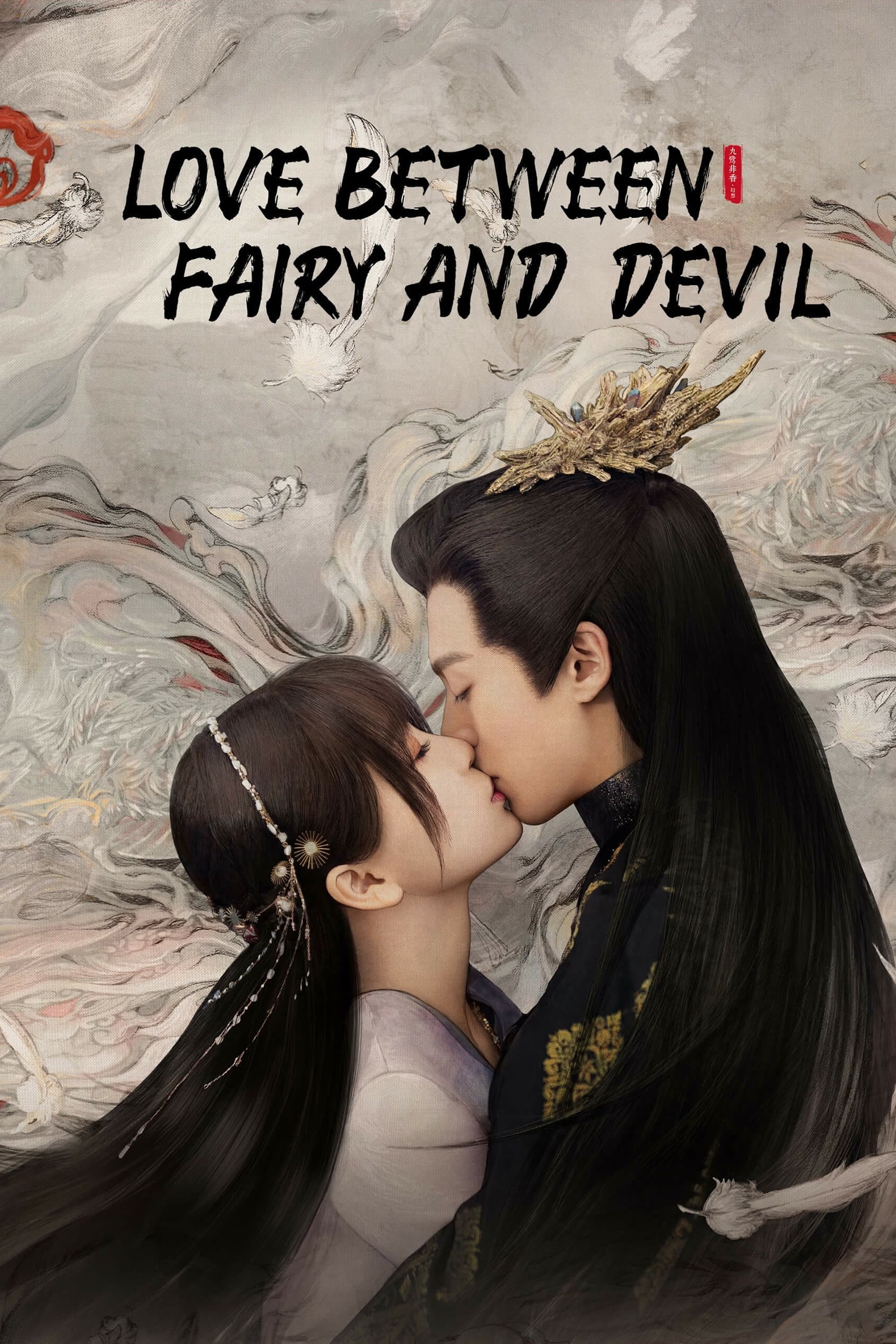
If your teen wants the enemies-to-lovers trope executed with top-tier production design, this is the gold standard. A low-ranking plant fairy accidentally resurrects and body-swaps with an ancient, emotionless moon supreme. Dylan Wang plays Dongfang Qingcang with pure menacing charisma, while Esther Yu plays Orchid with a squeaky voice that can grate early on before her character development kicks into gear. Because of Chinese broadcast standards, the show delivers intense romantic devotion and sky-high stakes with virtually zero explicit physical content.
Two morally gray outsiders—a terminally ill former royal assassin and a vengeful sect leader—cross paths, adopt a hunted teenager, and trade literary barbs while half the martial arts underworld hunts them down. The choreography is graceful, the found-family dynamic gives the show real warmth, and the pacing stays brisk through the first 25 episodes before diving straight into high-stakes tragedy.
Not every fantasy epic relies on who shoots the biggest blast of spiritual energy from their fingertips. These shows put intellect, restraint, and calculated patience first.
Clocking in at 73 episodes, this Song Dynasty masterclass trades magic swords for social etiquette and survival tactics. Ming Lan, an unloved concubine's daughter, deliberately plays dumb and stays invisible to survive a treacherous household and avenge her mother. It offers an incredible look at ancient domestic life, family hierarchies, and long-game vengeance. Middle schoolers and teens who enjoy seeing characters win through pure observation and foresight will love it, though the marathon runtime demands patience.
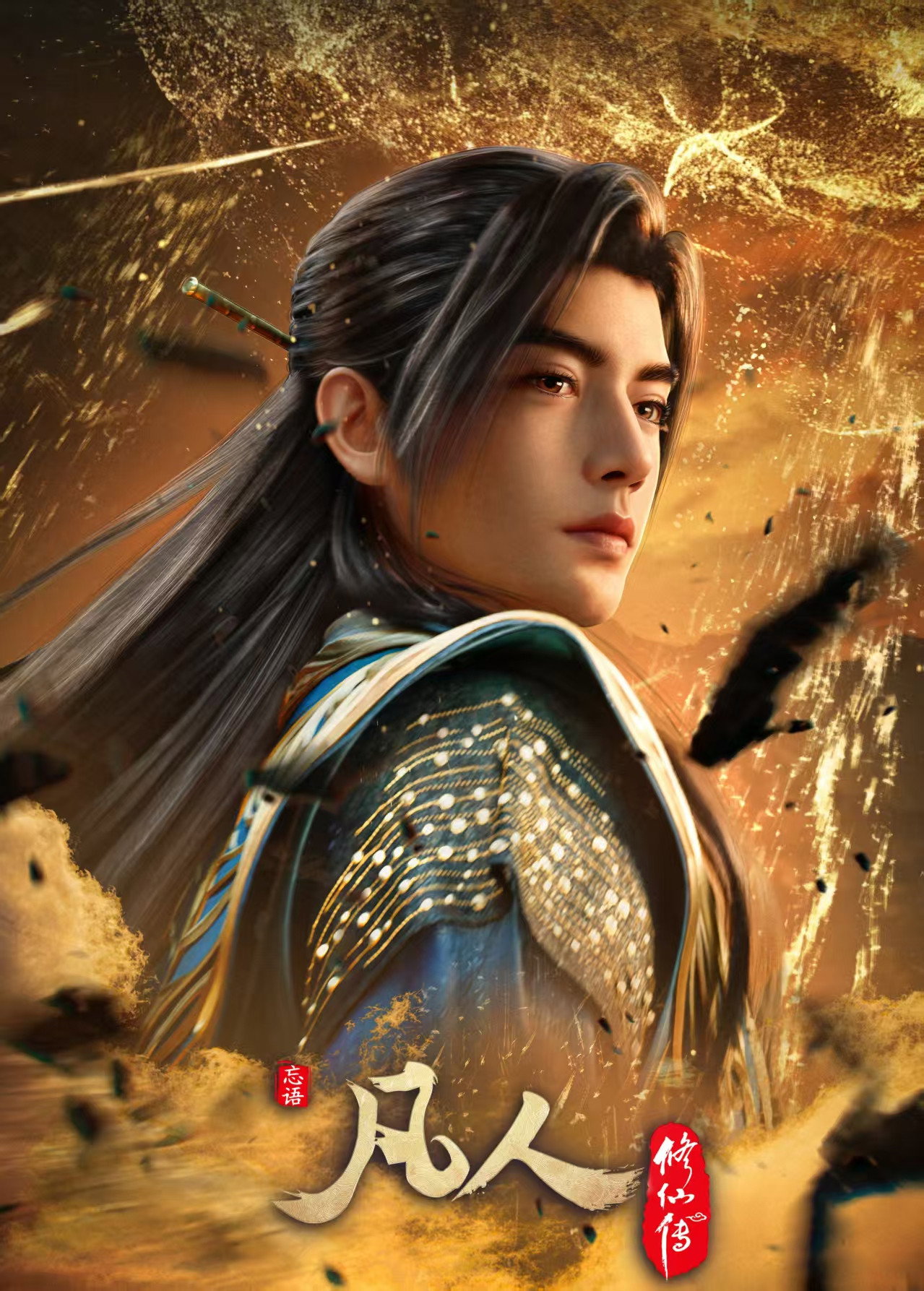
This donghua (3D animated series) strips away the "chosen one" trope entirely. The protagonist, Han Li, is an ordinary village kid with mediocre talent who survives a ruthless cultivation world by being the most cautious, paranoid planner in the room. If a fight looks dicey, he retreats; if an arrogant rival picks a fight, Han Li out-thinks him. The 3D animation sets a high visual bar, and the emphasis on risk management over impulsive heroism feels thoroughly refreshing.
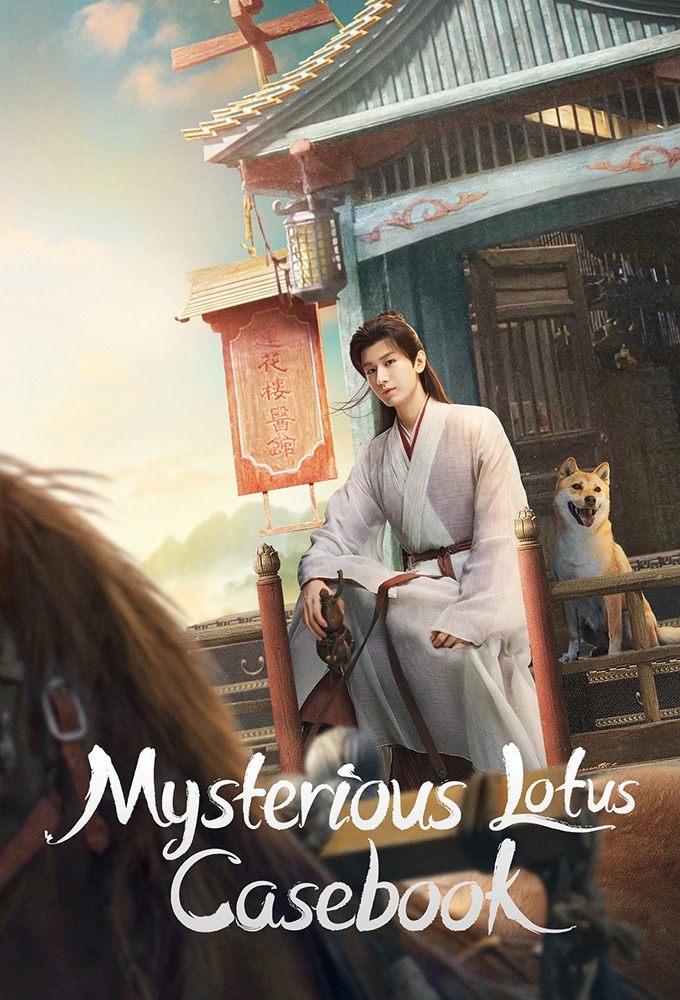
A legendary martial arts master suffers a poisoning, loses most of his power, fakes his death, and spends the next decade living as a penniless, traveling quack doctor pulling a wooden tower house behind his horse. The show thrives on the bickering chemistry between three reluctant allies who solve bizarre murder mysteries across the countryside. It features stylized, eerie crime scenes, but the real draw is the lead character's total lack of ego.
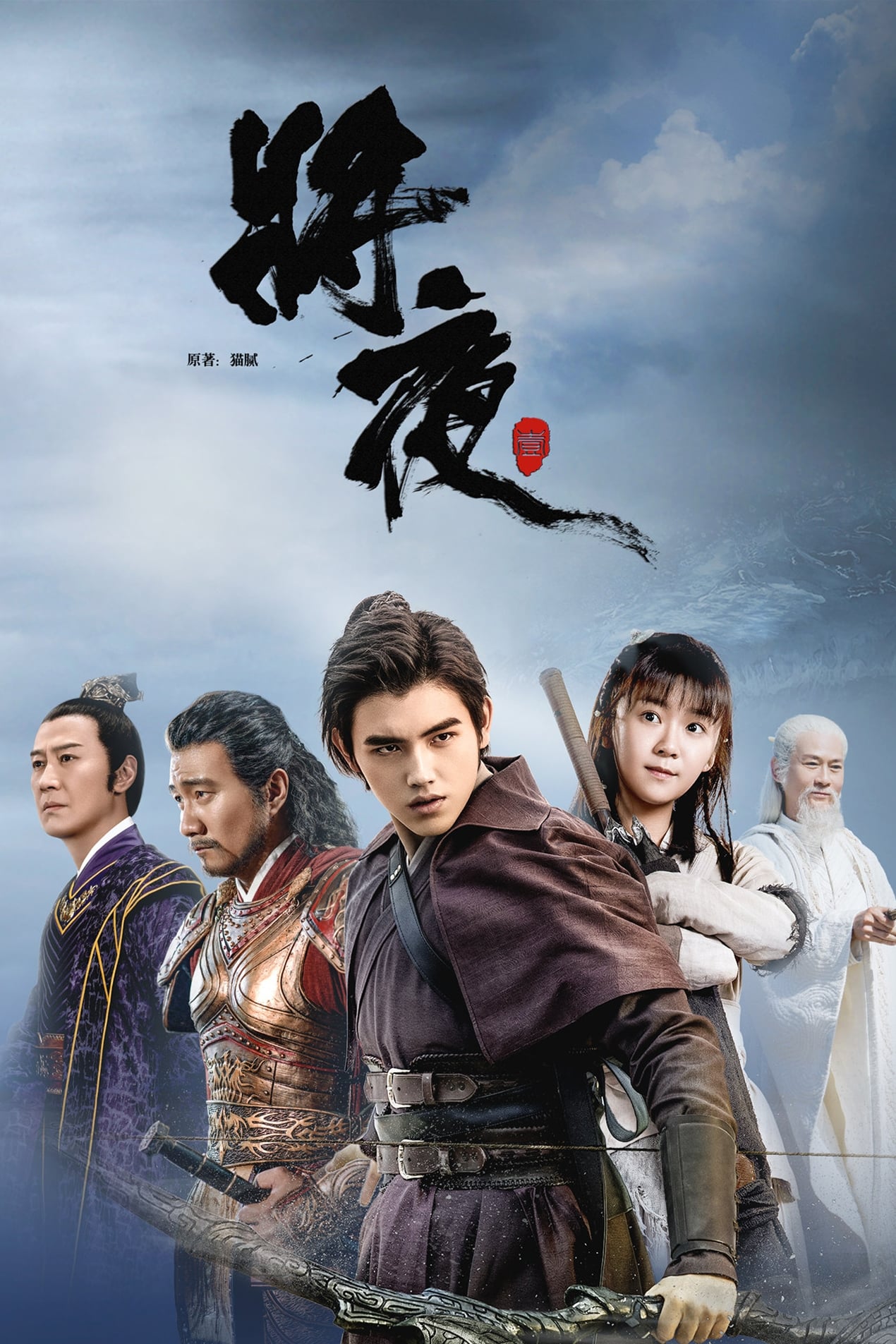
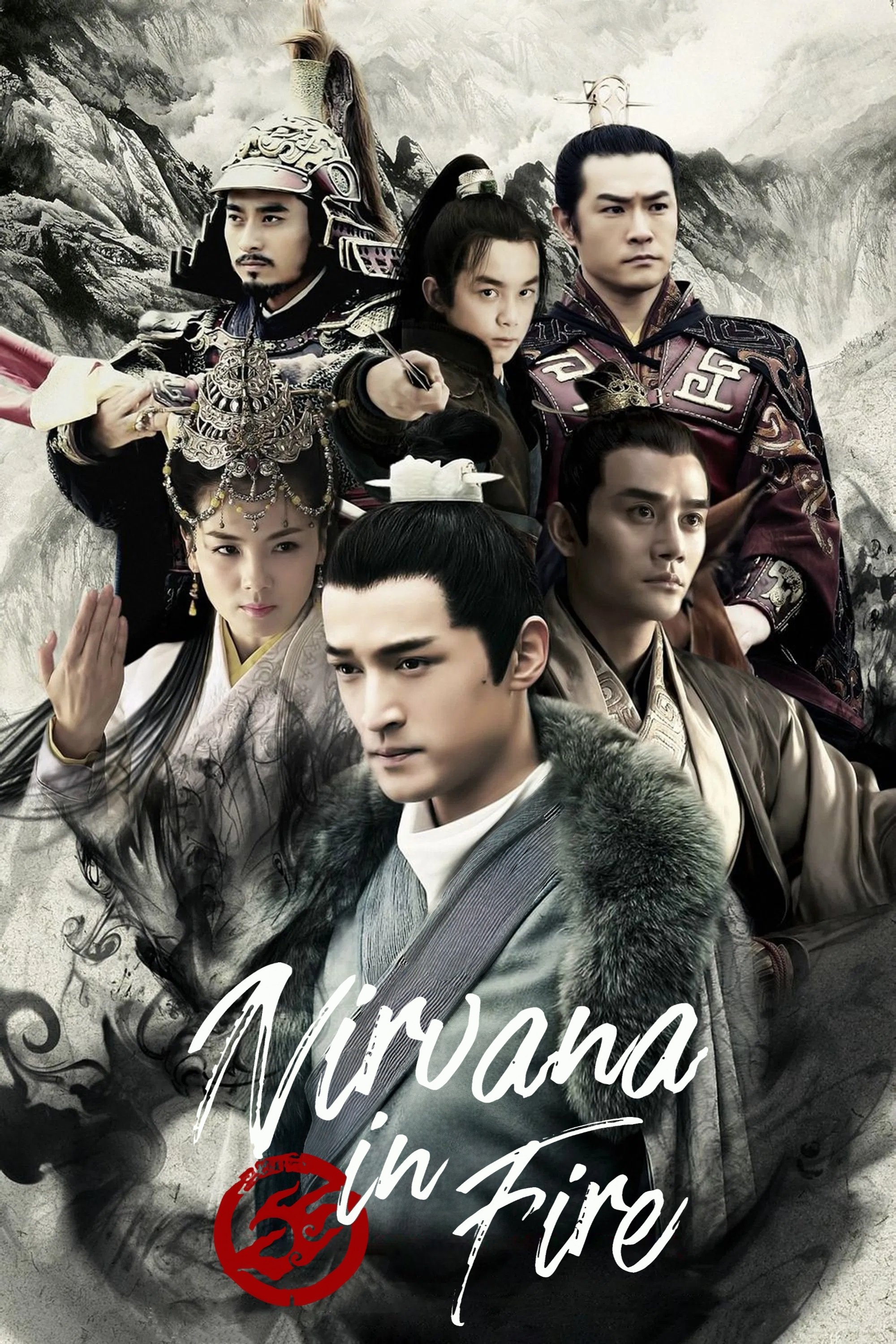
Both of these titles represent the peak of political maneuvering in Chinese historical fantasy. Nirvana in Fire features a physically frail strategist orchestrating justice for a framed army, working like an ancient Count of Monte Cristo. Joy of Life blends modern humor, sci-fi underpinnings, and lethal court politics with lightning-fast dialogue. Both require serious attention to keep up with the sprawling webs of alliances.
The damsel trope gets tossed out completely in this corner of the genre. These heroines hold real power, make hard tactical choices, and rescue themselves.
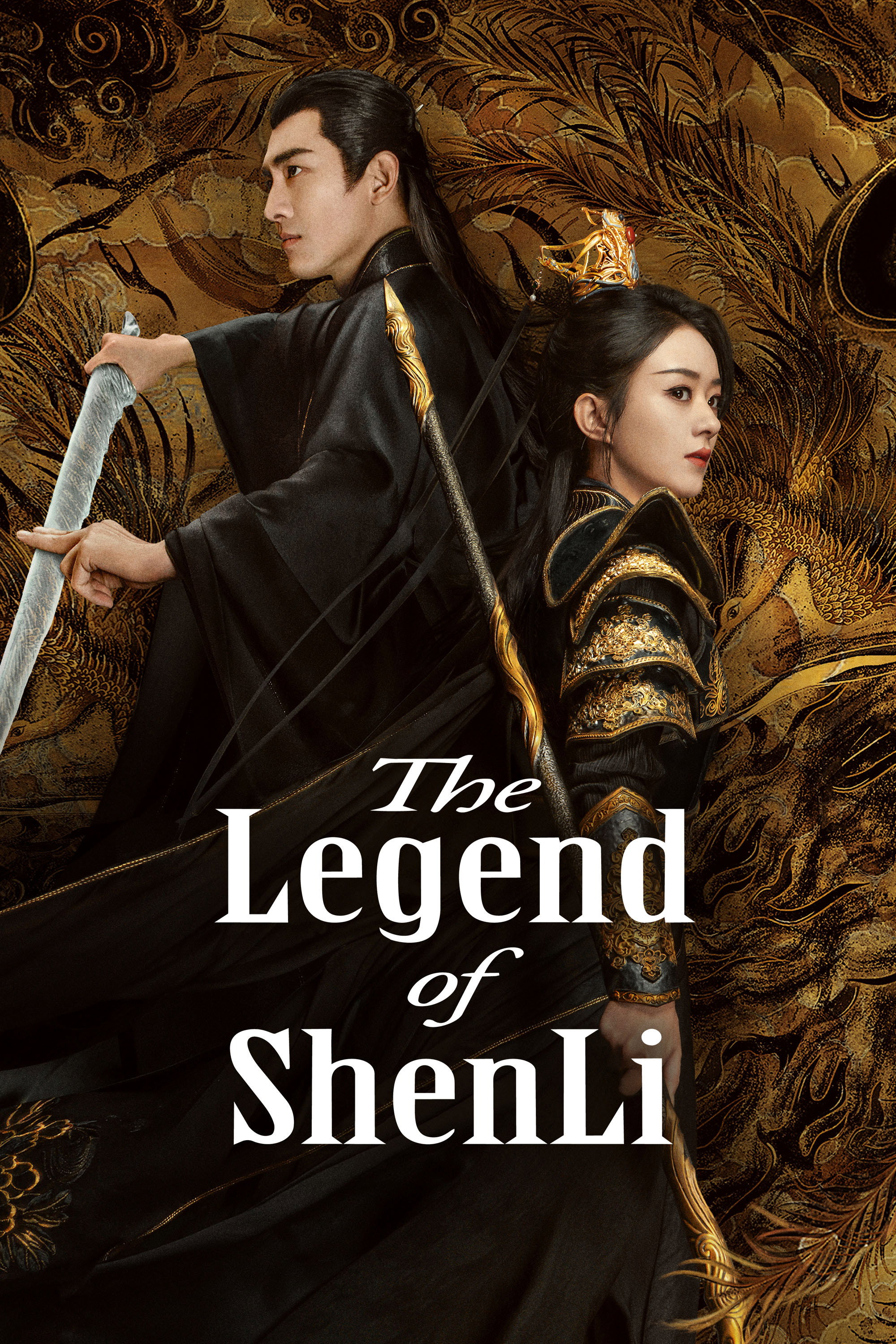
Shen Li is a battle-hardened spiritual realm general who wields an enormous spear and flees an arranged political wedding. She ends up temporarily stuck in the mortal realm disguised as a plucked chicken before crossing paths with the universe's last surviving ancient deity. The comedic chemistry is sharp, the action sequences hit hard, and Shen Li never compromises her military rank or self-worth for romance.
Twin sisters get swapped on their wedding day, sending the gentle, bookish sister to the rowdy void realm and the cunning, chaotic sister to the stiff, rule-bound heavenly kingdom. What makes the show work is the genuine loyalty between the sisters; the story skips petty jealousy in favor of mutual protection, while the younger twin gleefully disrupts divine bureaucracy.
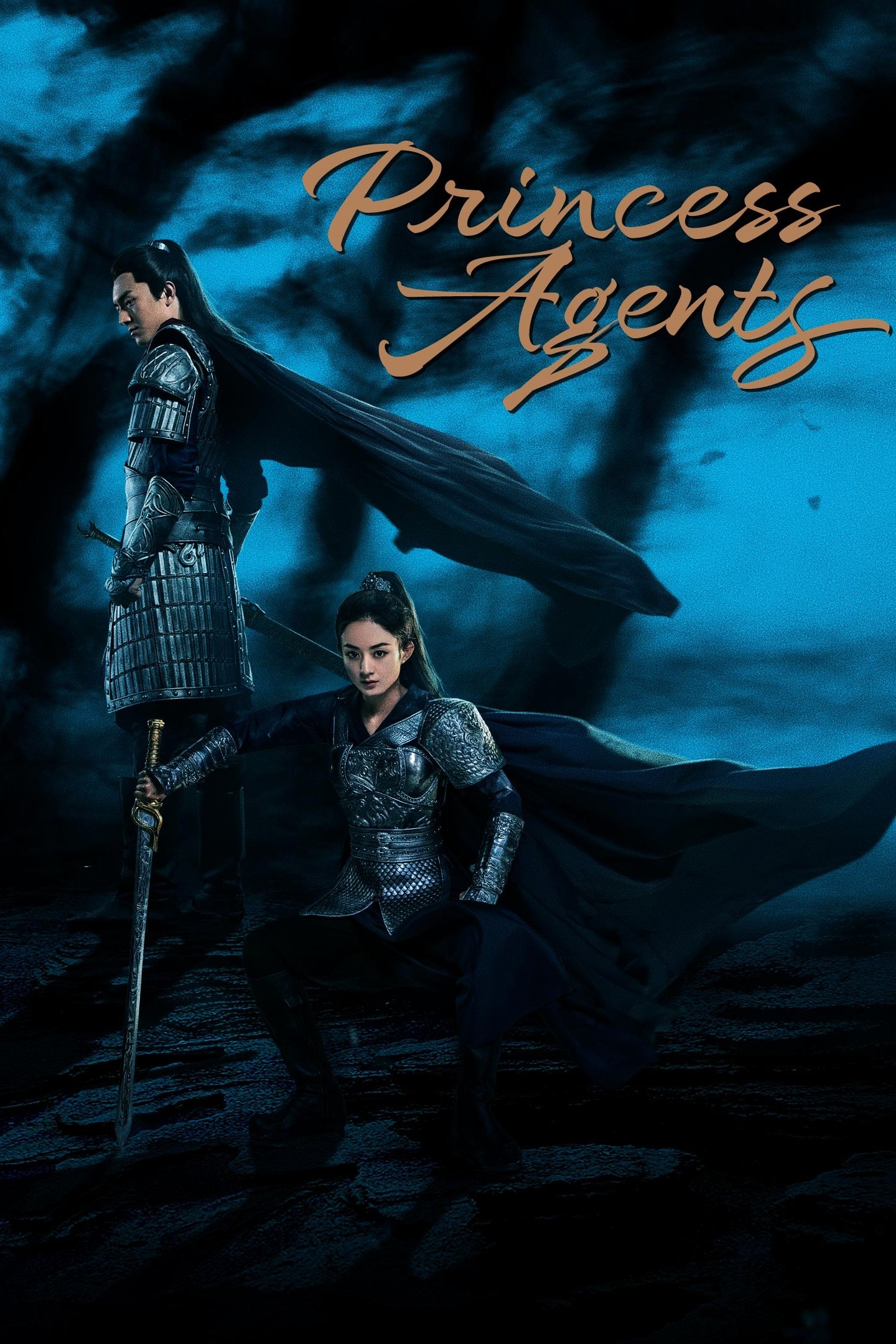
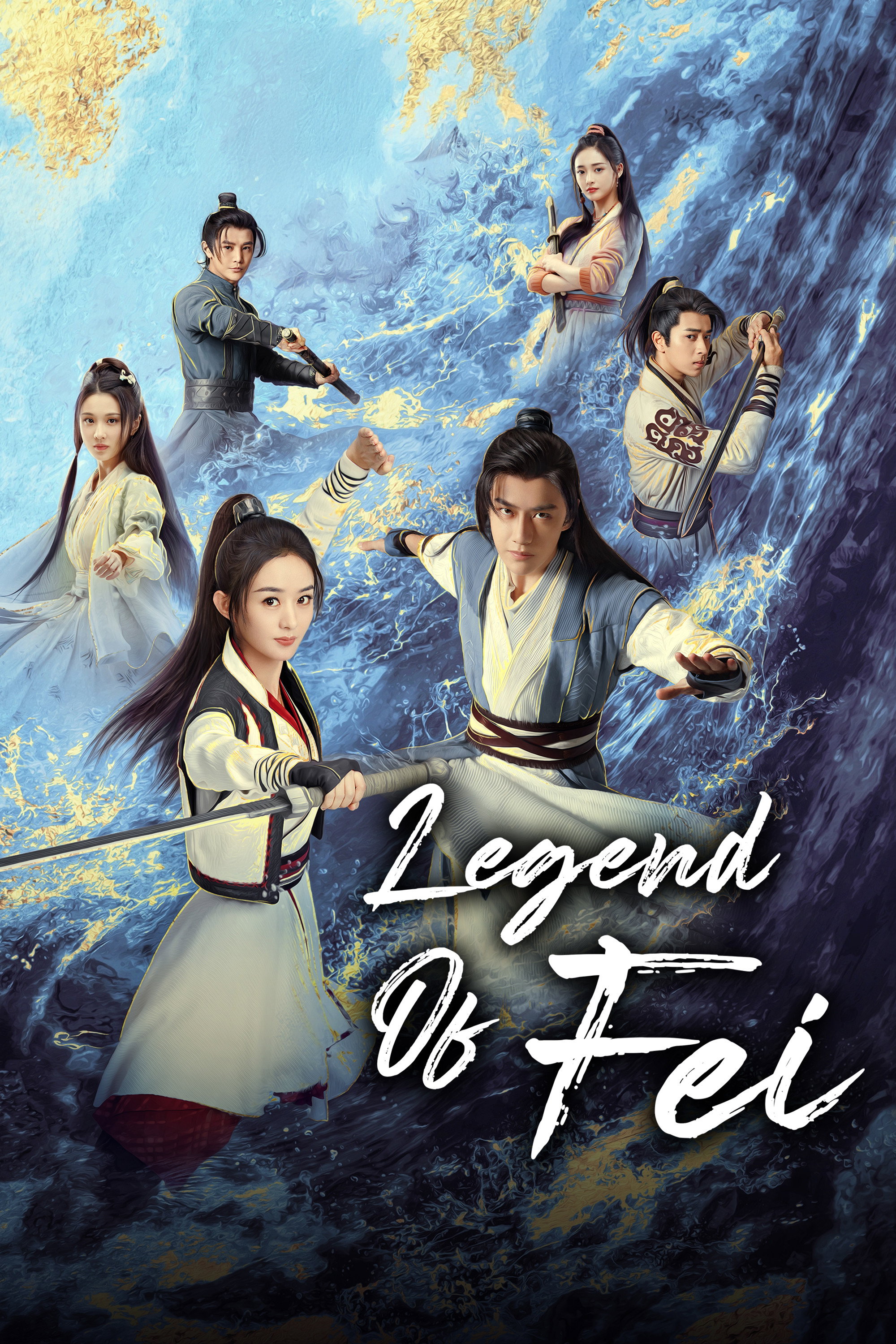
Zhao Liying anchors both of these gritty action stories. In Princess Agents, she plays an enslaved survivor who turns herself into a military tactician, starting with an intense opening sequence that sets up a brutal world of class warfare. In Legend of Fei, she plays a blunt, sword-focused warrior who handles physical combat while her male companion provides the evasive footwork and comic relief.
Chinese fantasy dramas come with a specific visual and narrative vocabulary that catches newcomers off guard:
The theatrical internal injury: Characters in xianxia shows cough up mouthfuls of bright crimson blood whenever they exhaust their magic, suffer spiritual backfire, or take a punch. It looks shocking the first time, but it functions essentially like a depleted health bar in a video game rather than realistic gore.
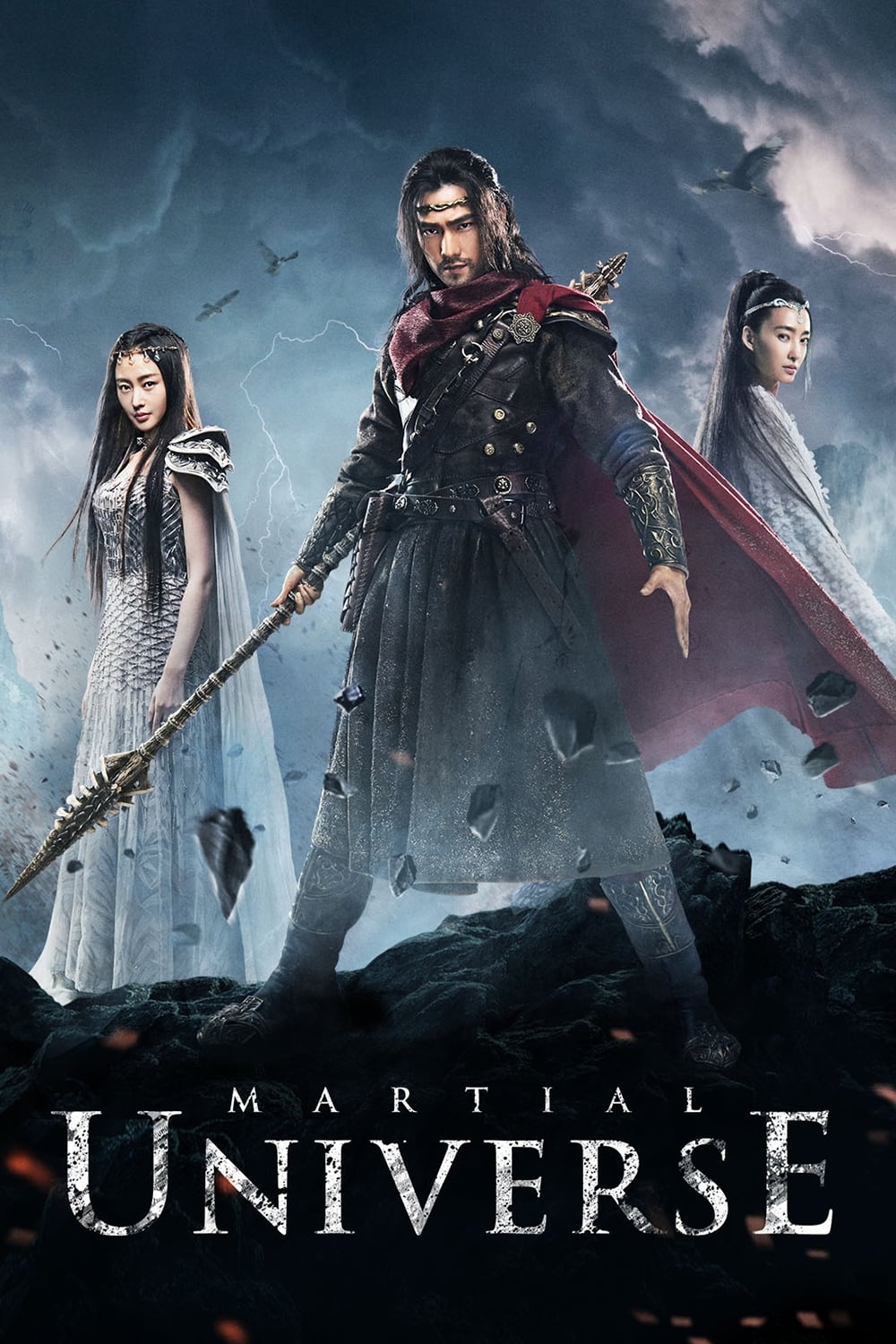
The middle-stretch pacing sag: Chinese television seasons are long, rarely wrapping up in fewer than 40 episodes. Shows like Ever Night, Legend of Fuyao, and Martial Universe occasionally pad their middle chapters with secondary palace squabbles or travel sequences before launching back into epic showdowns.
Stealth reading practice: Watching these shows in the original Mandarin with subtitles means a viewer consumes entire novels worth of text across a season. It builds reading speed rapidly, but it also means nobody can multitask on their phone while watching; if you look away for twenty seconds, you will miss a crucial political betrayal.
Q: What age is appropriate for Chinese fantasy dramas?
Most xianxia and wuxia shows land best for ages 11 and up. The physical content stays remarkably clean regarding sexuality and profanity, but the fast subtitles, sprawling cast lists, and stylized violence require solid focus and reading stamina.
Q: What is the difference between wuxia and xianxia?
Wuxia focuses on human martial artists living by codes of chivalry in an earthly society, while xianxia deals with gods, demons, cultivation magic, flying swords, and achieving immortality. Shows like The Blood of Youth stay closer to grounded wuxia action, while titles like Ancient Love Poetry lean fully into multi-thousand-year heavenly realms.
Q: Where should a beginner start with Chinese fantasy dramas?
Love Between Fairy and Devil is the easiest visual entry point for sweeping romance, while The Untamed is the premier pick for complex world-building and character dynamics. If you want pure mystery and martial arts without romantic focus, start with Mysterious Lotus Casebook.
To explore more television tailored by maturity level, check out our best TV shows for kids list, explore picks in our digital guide for middle school, or browse our digital guide for high school. If your teen wants a personalized lineup based on specific fantasy tropes, you can also build a custom fantasy watchlist for your teen right inside Screenwise.