The BookTok engine in overdrive
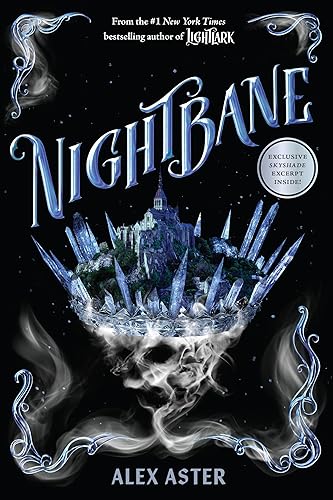
Alex Aster didn't just write a sequel; she wrote a response to the internet. If the first book was about the survival of the Centennial games, Nightbane is about the fallout of being the "main character" in a world that hates you. The pacing here is aggressive. It’s built for the TikTok generation’s attention span, trading long-winded descriptions of scenery for immediate emotional payoffs and constant "wait, what?" moments.
If your teen is a fan of the high-stakes drama found in works by Leigh Bardugo or Marissa Meyer, they’ll recognize the DNA here. However, Nightbane leans much harder into the romantic tension. It’s less about the mechanics of the magic system and more about the yearning between Isla and her two rival love interests. It’s the literary equivalent of a bingeable Netflix drama—you know it’s a bit over the top, but you can’t stop watching.
The memory-twist mechanic
A huge chunk of this book relies on flashbacks. We see Isla’s forgotten past with Grim, and these chapters serve two purposes: they flesh out the world-building and they dial up the romantic stakes. For a reader, this can be either exhilarating or a bit dizzying. It effectively recontextualizes everything that happened in the first book.
This is the specific friction point for some parents. While the first book felt like a standard "deadly competition" fantasy, Nightbane moves into "seductive haunts" and deeper emotional manipulation. The betrayals aren't just political; they’re personal. It’s the kind of story that makes readers pick sides in the comments section of a social post. If your kid is already looking ahead to the rest of the series, you should know that the heat level doesn't stay at this YA baseline forever. Check out our parent's guide to Crowntide to see how the romance and violence evolve once the series hits its fourth installment.
Why it sticks the landing for teens
The "burden of the crown" theme is a classic for a reason. Isla is a young leader trying to fix a broken world while everyone around her has a secret agenda. For a high schooler navigating social hierarchies and the pressure to perform, Isla’s internal struggle feels authentic even if the setting is fantastical.
If your kid liked the "deadly game" vibes of The Hunger Games but wants more focus on the "who will she choose?" romance of Twilight, this is the sweet spot. It’s not trying to be high literature; it’s trying to be a ride. The ending is a massive cliffhanger that practically demands the reader buy the next book immediately. It’s a high-functioning entertainment machine that succeeds because it knows exactly what its audience wants: more secrets, more magic, and more impossible choices.